
Pruning
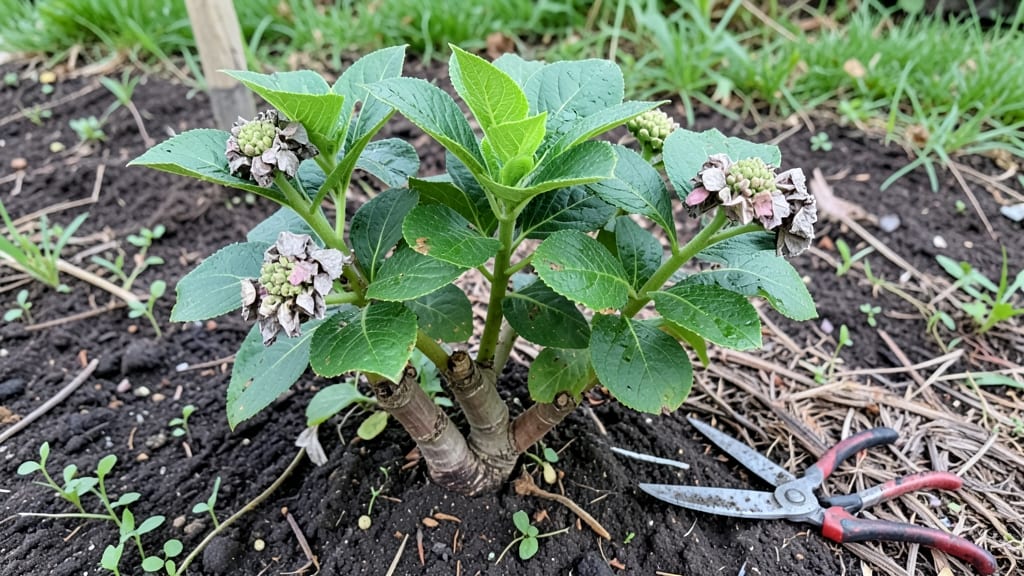
Trimming hydrangea blooms transforms your shrubs from scraggly to showstopping in just a few minutes each season. 🌿 I’ve turned my once-lanky hydrangeas into lush, flowering powerhouses by mastering the right cuts at the right time—and I’ll show you exactly how.
The key? Knowing whether your hydrangea blooms on old wood or new growth, and when to let those flowers fade before pruning.
You’ll need just three tools: sharp pruning shears, gloves, and a bucket for clippings. Most hydrangeas bloom on new wood (like Annabelle or Limelight), so you can trim right after flowering.
But if you’ve got mopheads or lacecaps, wait until late winter or early spring before buds swell—pruning too early means no blooms that season. The goal is to shape while encouraging dense, vibrant growth for next year.
After trimming, your hydrangeas will reward you with fuller blooms and a cleaner shape by summer. Focus on removing dead wood, thinning crowded stems, and cutting back to an outward-facing bud. This isn’t just about looks—it’s about giving your plants room to breathe and thrive.
The first year, you’ll notice a difference in how quickly new growth appears and how vibrant the foliage stays.
Different varieties need different approaches, so we’ll break down the specifics for mopheads, lacecaps, and panicle types. Even if you’ve killed hydrangeas before, this method is foolproof—once you understand the timing and technique, your shrubs will thank you with years of lush, long-lasting blooms. Let’s get those shears ready!
📚 In This Guide
- What you need
- Instructions
- Tips and common mistakes
- Wrapping up and next steps
What you need
- ● Bypass pruners: A sharp, high-quality pair (e.g., Felco or Fiskars) to make clean cuts without crushing stems. Size: 6- to 8-inch blades for precision.
- ● Loppers: For thicker stems (½ inch or larger). Look for bypass-style loppers with a 10- to 12-inch handle for leverage.
- ○ Hand saw: For stubborn, woody stems (optional but handy). Choose a pruning saw with a curved blade for ease.
- ● Gloves: Heavy-duty gardening gloves to protect your hands from thorns and rough stems.
- ● Disinfectant (70% isopropyl alcohol or bleach solution): Clean tools between cuts to prevent disease spread.
- ● Rubbing alcohol wipes: Quick tool disinfection on the go.
- ● Marking twine or flags: Label stems for future reference (e.g., "keep" vs. "remove").
- ● Pruning sealant: Only for large cuts (1+ inch in diameter) to prevent disease entry.
- ● Knee pads or stool: For comfort during long sessions.
- ● Bucket or bag: Collect pruned material for composting or disposal.
- ● Know your hydrangea type: Bigleaf, panicle, or oakleaf? Each has unique pruning needs—check the article’s type-specific guide!
- ● Weather check: Prune on a dry, overcast day to reduce stress on the plant.
- ● Safety first: Wear long sleeves and closed-toe shoes to avoid scratches or thorns.
Step-by-step guide for pruning hydrangeas for year-round beauty
Here's how I keep my hydrangeas thriving with precise cuts that boost blooms and shape.
✂️ Step 1: Identify Your Hydrangea Type and Bloom Cycle
First, determine whether your hydrangea is a mophead, lacecap, panicle, or oakleaf variety—each has unique pruning needs. Mopheads and lacecaps bloom on old wood (last year's growth), so you'll prune them right after flowering. Panicle and oakleaf hydrangeas bloom on new wood, making them ideal for aggressive spring pruning.
Look for last year's flower clusters—these tell you where growth originated. If you cut back too early on old-wood types, you risk removing next year's blooms. I always wait until late summer for mopheads and lacecaps, when flowers start fading naturally.
✂️ Step 2: Time Your Cuts for Maximum Impact
For old-wood bloomers, prune 4-6 weeks after flowering (typically late August to early September). This gives the plant time to set next year's buds before dormancy. If you prune too early, you'll sacrifice next season's blooms.
For new-wood bloomers, prune in late winter or early spring (just as new shoots emerge). This encourages bushier growth and larger flower clusters. I make my cuts before buds swell—around February to March in most climates—to avoid damaging emerging flowers.
✂️ Step 3: Make Clean, Strategic Cuts for Shape and Health
Use clean, sharp pruners to cut just above a node (the bump where leaves or buds grow). Avoid leaving stubs—this prevents disease and encourages stronger regrowth. For old-wood types, remove dead or crossing branches first, then shape by cutting back 1/3 of the oldest stems to encourage new growth.
For new-wood types, cut back 1/2 to 2/3 of the plant to the first set of strong buds. This might sound drastic, but it forces the plant to produce thicker, more abundant blooms. Always step back and check your shape—hydrangeas respond well to an open, airy structure.
🌿 Step 4: Post-Pruning Care for Strong Recovery
After pruning, water deeply to help the plant recover. Hydrangeas are heavy drinkers, especially after major cuts. I apply a balanced fertilizer (10-10-10) in early spring to support new growth. Avoid high-nitrogen fertilizers—they promote leafy growth at the expense of flowers.
Watch for new shoots emerging within 4-6 weeks. If growth looks weak or leggy, it may need more sunlight or a second round of pruning to encourage bushiness. Mulch around the base with 2-3 inches of organic mulch to retain moisture and protect roots from temperature swings.
Tips & tricks for perfect hydrangea pruning
Mastering the art of hydrangea pruning transforms your garden from ordinary to extraordinary—here’s how to avoid common mistakes and elevate your results.
Type-Specific Precision: The difference between a thriving hydrangea and a sad, sparse one often comes down to understanding your specific variety. For old-wood bloomers like mopheads, I mark the largest flower clusters from last year with a ribbon in late summer—this visual cue helps me identify which stems to preserve. New-wood types like panicles? I make my cuts just above the first set of strong buds—never guess, always look for that little bump where new growth emerges.
Timing is Everything: Those 4-6 weeks after flowering for old-wood types aren't arbitrary—they're when your plant naturally starts preparing for next year's blooms. Use a small whiteboard by your hydrangeas to track your local frost dates and schedule pruning accordingly. For new-wood types, I set a reminder for late February (or when you see those first tiny green shoots) to avoid cutting too early and damaging emerging flowers.
Cutting Technique Matters: Sharp pruners aren't just about clean cuts—they're about precision. I angle my cuts just above a node at a 45-degree angle to prevent water from pooling on the cut. For old-wood types, never remove more than 1/3 of the oldest stems—this maintains your plant's energy balance. And always step back after pruning to check your shape from multiple angles—hydrangeas respond beautifully to an open, airy structure that allows sunlight to penetrate.
Post-Pruning Care: The 4-6 weeks after pruning are critical for recovery. I water deeply every 3-4 days, aiming for 1-1.5 gallons per plant to encourage strong root growth. The 2-3 inches of organic mulch I add creates a moisture-retaining barrier that protects roots from temperature swings. Pro tip: Mix in a handful of egg shells (crushed) with that mulch—the calcium helps prevent blossom end rot in new growth.
Pro Tips for Trimming Hydrangea Blooms
- Mastering the art of hydrangea pruning transforms your garden from ordinary to extraordinary—here’s how to avoid common mistakes and elevate your results.
- Type-Specific Precision: The difference between a thriving hydrangea and a sad, sparse one often comes down to understanding your specific variety.
- Timing is Everything: Those 4-6 weeks after flowering for old-wood types aren't arbitrary—they're when your plant naturally starts preparing for next year's blooms.
Frequently asked questions
Got questions about trimming hydrangea blooms? You’re not alone—this popular task can feel tricky if you’re new to it. Here are answers to the most common concerns, straight from the experts:
When’s the best time to trim hydrangea blooms?
The timing depends on your hydrangea type! For mophead and lacecap hydrangeas (bigleaf types), trim after they bloom in late summer or early fall. For panicle hydrangeas (peegee types), prune in late winter or early spring before new growth starts. Always prune on a dry day to avoid fungal issues.
Can I trim hydrangeas in the spring?
Spring trimming is risky for blooming hydrangeas—especially bigleaf types! Cutting them too early can remove next year’s buds. If you must prune in spring, focus on dead or diseased wood and avoid shaping. For panicle hydrangeas, spring is actually the perfect time for a light trim to encourage fuller growth.
What if my hydrangeas don’t bloom at all?
No blooms? Check these fixes first:
- Sunlight: Ensure they get 6+ hours of morning sun—hydrangeas thrive in bright, indirect light.
- Pruning mistakes: Avoid cutting back more than 1/3 of the plant or removing old wood.
- Fertilizer: Use a balanced, low-nitrogen fertilizer (like 10-10-10) in early spring.
- Water: Keep soil consistently moist but well-drained—drought stress kills blooms.
How do I revive a hydrangea that’s overgrown?
Overgrown hydrangeas can look messy, but they’re easy to reset! Start by:
- Cutting back 1/3 of the oldest stems to the ground in late winter.
- Thinning out crossing or weak branches to improve airflow.
- Fertilizing with compost or a slow-release bloom booster.
What tools should I avoid when trimming hydrangeas?
Skip these common mistakes:
- Dull shears: They crush stems instead of clean cuts, inviting disease. Always use sharp, sterilized pruners!
- Over-pruning: Bigleaf hydrangeas bloom on last year’s wood—don’t chop off all the old growth.
- Pruning in wet weather: Moisture spreads fungal diseases like powdery mildew. Wait for a dry day.
- Using garden shears for thick branches: Save those for small trims—grab a loppers for bigger cuts.
Wrapping up and next steps
Trimming your hydrangeas doesn’t have to be intimidating—it’s all about timing, technique, and a little patience! 🌿 Whether you’re prepping for spring blooms or maintaining year-round shape, the right cuts will keep your plants thriving.
Now that you’re armed with the when, how, and why, grab those shears and get ready to transform your garden into a lush, vibrant paradise.
Ready to take the next step? Mark your calendar for your hydrangea’s next pruning window and check out our seasonal garden checklist for extra tips. Happy pruning—your hydrangeas will thank you with show-stopping blooms all year long! ✨