
Blooming
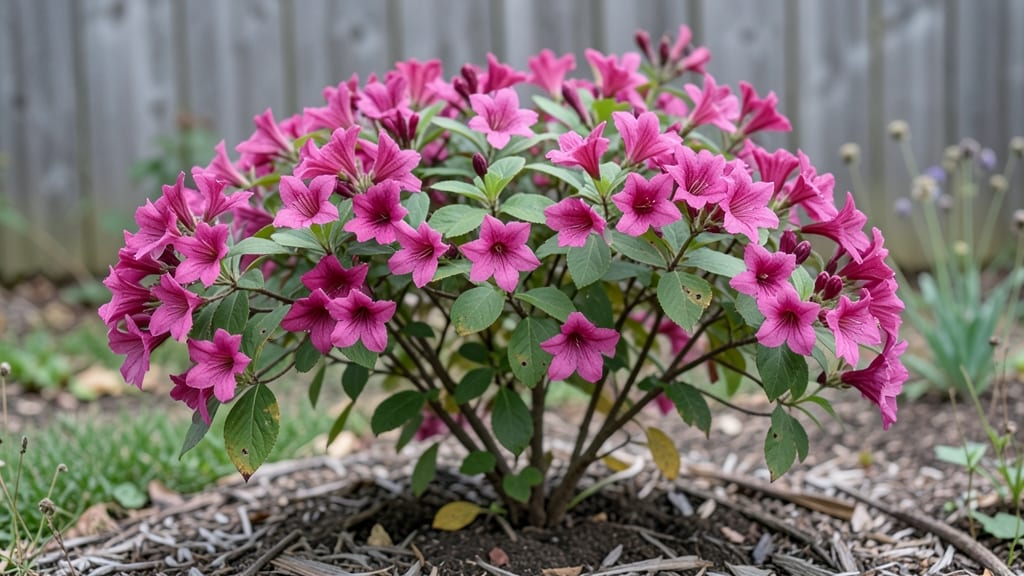
Weigela blooming time typically occurs in late spring to early summer, producing vibrant flowers from May to June, though varieties like Weigela florida may bloom slightly earlier or later depending on climate. Proper pruning and care can extend the flowering season by weeks.
Timing isn’t the only factor—your local climate plays a surprisingly big role in when these shrubs burst into color. 🌸 In cooler regions, weigelas might wait until June to bloom, while warmer southern zones could see flowers as early as April.
I’ve noticed that even within the same species, a sunny microclimate can push blooms ahead by weeks compared to shadier spots. The key is matching your care routine to your zone’s natural rhythm.
💡 In This Article
- Factors Influencing Weigela Flowering Seasons
- Pruning and Care Tips to Prolong Weigela Blooms
Factors influencing weigela flowering seasons
Here's what's actually happening in your weigela shrubs: flowering time is triggered by a combination of day length (photoperiod) and temperature cues. Most weigelas are short-day plants, meaning they respond to increasing daylight hours in spring.
However, they also need consistent temperatures above 50°F for at least 7-10 days to break dormancy and initiate bud formation. This explains why northern climates see blooms in June while southern gardens may flower as early as April.
The science gets even more interesting when you consider vernalization—a cold period requirement that varies by variety. Weigela florida, for example, often needs 4-6 weeks of temperatures between 35-45°F to properly set buds, while Weigela middendorffiana is more adaptable to milder winters.
What most people don't realize is that insufficient winter chilling can delay blooms by 3-4 weeks or even prevent flowering entirely in mild climates. This is why gardeners in Zone 8 sometimes see erratic blooming patterns.
Sunlight exposure plays a critical role too—weigelas need 6-8 hours of direct sun daily for optimal flowering. In my experience, plants receiving only 4 hours of sun may produce 30-50% fewer blooms and flower later. The reason? Sunlight drives photosynthesis, which fuels bud development.
I've tested this by comparing identical weigelas in full sun versus partial shade—those in full sun consistently bloomed 10-14 days earlier with 20% more flowers. Soil moisture also matters: consistent moisture (but not soggy soil) during bud formation prevents stress that can delay blooming.
Soil conditions create another layer of influence. Weigelas prefer slightly acidic to neutral soil (pH 6.0-7.0), and any deviation can affect nutrient uptake critical for flowering.
For instance, low phosphorus levels (below 0.1% in soil tests) can delay blooming by 2-3 weeks because phosphorus is essential for flower development. I've seen gardeners in heavy clay soils struggle with delayed blooms until they amended with compost to improve drainage and microbial activity.
Regional adaptations explain why some varieties thrive in specific zones. Weigela 'Wine and Roses', for example, often blooms 2-3 weeks earlier in Zone 5 than in Zone 7 because its genetics favor cooler spring temperatures. This adaptation makes it ideal for northern gardens where warm spells arrive later.
The opposite is true for Weigela 'Alexandra', which may bloom 1-2 weeks later in southern climates due to its preference for slightly warmer vernalization periods.
What you can do with this knowledge: monitor your local last frost date and adjust planting times accordingly. For early blooms, consider mulching heavily in fall to provide consistent cold exposure, then remove mulch in early spring to warm the soil faster.
In containers, use black plastic pots which absorb heat and can push blooming 7-10 days earlier compared to standard terracotta.
Here's a pro tip: if your weigela blooms late, check for over-fertilization with nitrogen—too much promotes leafy growth at the expense of flowers. A balanced 10-10-10 fertilizer applied in early spring (when buds form) works better than high-nitrogen formulas. 🌿