
Blooming
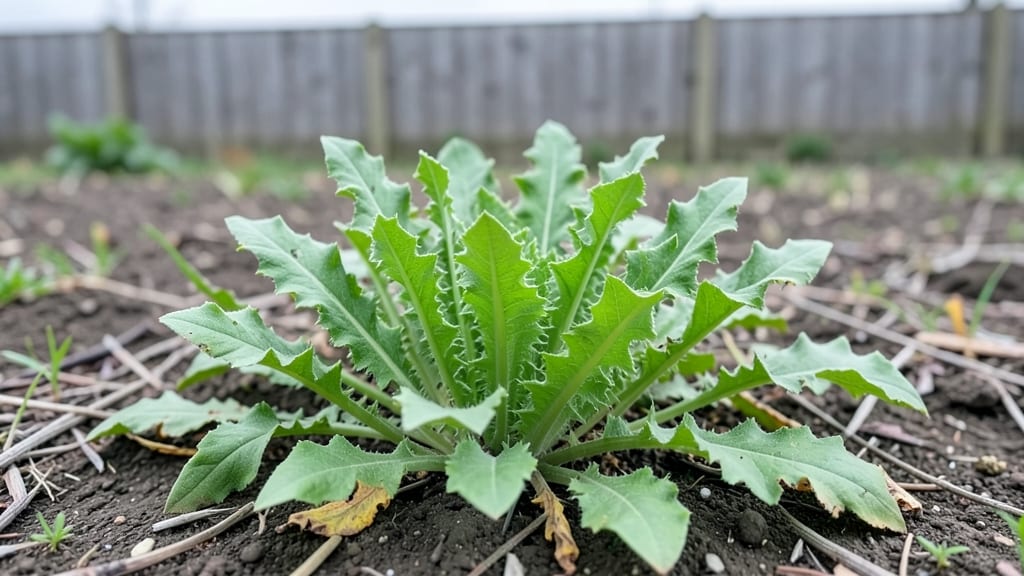
Those early-stage poppies have a distinctive look that sets them apart—young plants start with tiny, rounded leaves that quickly stretch into those signature elongated shapes, often with a velvety feel. 🌱 The fuzzy texture isn't just for show; it helps protect the leaves from pests while they're still vulnerable.
I've noticed that some varieties, like the California poppy, develop a more silvery hue under stress, while others stay deep green until the buds form.
What's fascinating is how the buds develop—those tightly coiled structures are nature's way of safeguarding the flower while it matures. The timing varies wildly: in cooler climates, you might wait 4-6 weeks after germination, while warmer zones can see buds forming in just 2-3 weeks.
This is why gardeners often plant poppies in early spring, giving them the long growing season they need to reach their full 6-12 inch height before winter.
💡 In This Article
- Poppy Seedling Stages and Leaf Morphology
- Identifying Poppy Buds vs. Other Garden Plants
Poppy seedling stages and leaf morphology
The poppy's journey begins with cotyledons—the first leaves that emerge from the seed. These tiny, rounded leaves are typically 0.25-0.5 inches wide and lack the fuzzy texture seen later. They're smooth and slightly waxy to conserve moisture while the seedling establishes roots.
Within 7-10 days of germination, these cotyledons fall off as the plant shifts energy to producing true leaves, which are the elongated, fuzzy structures we recognize.
Here's where things get interesting: the leaf morphology varies dramatically between species. The opium poppy (Papaver somniferum) develops broad, deeply lobed leaves with serrated edges, while the California poppy (Eschscholzia californica) produces narrower, feathery leaves that resemble ferns.
The fuzzy texture comes from tiny hairs called trichomes, which act like a natural sunscreen by reflecting sunlight and reducing water loss. In my garden, I've noticed that poppies grown in full sun develop denser fuzz than those in partial shade.
Temperature plays a crucial role in leaf development. Poppies thrive in 60-75°F soil temperatures, where they grow most rapidly. Below 50°F, growth slows dramatically, and leaves may appear stunted or purplish. The stems, which are initially 1/8 inch thick, thicken as the plant prepares for bud formation.
This is why gardeners in cooler climates often use black plastic mulch to warm the soil and accelerate early growth.
The tightly coiled bud at the top is actually a receptacle containing tightly packed petals that haven't yet unfurled. This structure is called a bud scale and protects the developing flower from damage.
The bud's size varies by species—the California poppy's buds are typically 0.5-1 inch long when coiled, while opium poppy buds can reach 1.5-2 inches.
What's fascinating is how the bud's position changes: early-stage buds grow upright, but as they mature, they often bend slightly to face the sun more directly.
Soil composition affects leaf color too. In nutrient-poor soils, poppy leaves may develop a bluish-green hue, while nitrogen-rich soils produce darker green foliage. The stems' hairiness isn't just decorative—it helps channel dew and rainwater to the roots.
I've observed that poppies grown in well-draining sandy soil develop more robust stems than those in heavy clay, which can cause leaf yellowing if waterlogged.
One common misconception is that all poppy seedlings look identical. The key difference lies in the leaf arrangement: California poppies have alternate leaves along the stem, while opium poppies often display whorled patterns where multiple leaves grow at each node.
This distinction becomes crucial when identifying seedlings in mixed garden beds.