
Blooming
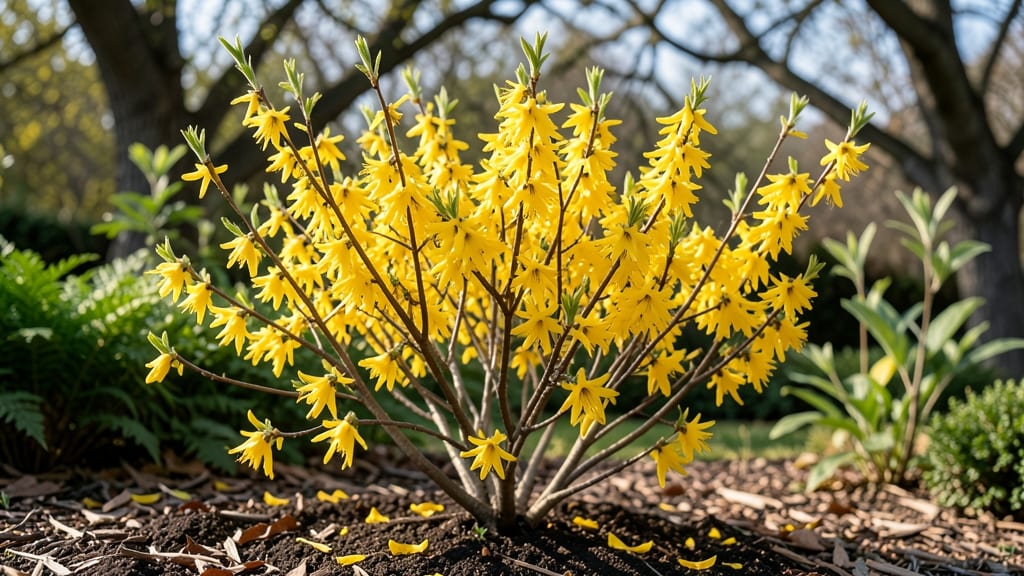
Forsythia blooms in Zone 7 during late winter to early spring, typically between February and March, when those bright yellow 🌸 clusters light up the garden like a burst of sunshine.
If you’ve ever wondered why your forsythia bushes seem to bloom at different times each year—or how to time your pruning for maximum impact—Zone 7’s unpredictable climate adds a layer of complexity.
The exact weeks depend on chilling hours and temperature fluctuations, but most gardeners in Zone 7 can expect forsythia to start flowering around mid-February, with peak bloom by early March.
Below, I’ll break down the ideal bloom windows, how to adjust pruning for thicker blooms next year, and what to do if your forsythia blooms early or late.
Forsythia blooming timeline in Zone 7: exact weeks and climate triggers
Forsythia bushes in Zone 7 typically burst into bloom between late February and early March, but the exact timing depends on your specific location and microclimate.
In Richmond, VA, you might spot the first yellow flowers as early as February 15th, while Nashville, TN gardeners often see blooms around March 1st. These differences matter because pruning timing and climate triggers can shift by weeks.
The key factor? Forsythia needs 600-1,000 chilling hours below 45°F to trigger blooms.
A mild winter with fewer cold snaps can delay flowering by 1-2 weeks, while a harsh winter might push blooms earlier. Temperature fluctuations in late winter also play a role—warm spells can fool the plant into blooming too soon, only to be damaged by a late frost.
Here’s how to predict your forsythia’s bloom window based on your Zone 7 sub-region:
| Region | Avg. First Bloom | Peak Bloom | Climate Note |
|---|---|---|---|
| Richmond, VA | Feb 15–20 | Feb 25–March 5 | Warmer winters, earlier blooms |
| Charlottesville, VA | Feb 20–25 | March 1–10 | Moderate chilling hours |
| Nashville, TN | March 1–5 | March 10–20 | Cooler winters, later blooms |
| Chattanooga, TN | Feb 25–March 2 | March 5–15 | Mountain microclimates vary |
| Lexington, KY | March 1–5 | March 10–20 | Similar to Nashville |
If your forsythia blooms earlier than expected, it might be reacting to unseasonably warm temperatures in late winter.
To protect delicate buds, monitor your local frost forecast and consider covering young plants if a late frost is predicted. Late bloomers, on the other hand, may need a light fertilizer application in early spring to encourage stronger growth.
Another trick to advance blooming time is to plant forsythia in a south-facing location with full sun exposure.
This ensures the plant gets the maximum chilling hours it needs while also warming up quickly in spring. Partial shade can delay blooms by up to 10 days, so prioritize sun if you want vibrant flowers earlier in the season.
Watch for bud swell in late winter—a sure sign blooms are imminent. This typically happens 2-3 weeks before flowers open, giving you a heads-up to adjust your pruning schedule. Prune immediately after blooming (March–April) to avoid cutting off next year’s flower buds, which form on old wood.
For gardeners in warmer microclimates (e.g., near urban heat islands), forsythia may bloom 2 weeks earlier than rural areas. If your plant blooms too early, it risks frost damage. To mitigate this, choose later-blooming varieties like ‘Northern Gold’, which tolerates colder conditions better than standard types.
Pro tip: Use a garden journal to track your forsythia’s bloom dates year after year. Over time, you’ll notice patterns based on winter temperatures, rainfall, and even soil conditions. For example, well-drained soil can speed up blooming by 3-5 days compared to heavy clay.
Remember, forsythia blooms are short-lived—usually lasting only 2-3 weeks. But by understanding your local climate triggers and adjusting care accordingly, you can ensure your shrub puts on a show-stopping display year after year. 🌸
Pruning forsythia after bloom: step-by-step guide for Zone 7 gardeners
Timing your forsythia pruning after the late winter bloom (typically February–March in Zone 7) is the secret to thicker, more vibrant flowers next year. The biggest mistake gardeners make? Pruning too late—after June—which can leave your shrub with no blooms at all for the following season.
Since forsythia flowers on old wood, cutting back too aggressively at the wrong time removes next year’s buds entirely.
Before you grab your pruning shears, mark your calendar for 4–6 weeks after peak bloom (usually mid-April in Zone 7). This gives your forsythia time to set buds for next season while still allowing you to clean up the messy post-bloom growth.
I’ve learned the hard way—skipping this window means sacrificing next year’s show-stopping yellow display!
- 1.
- 2.
- 3.
- 4.
- 5.
- 6.
If you’ve already pruned your forsythia after June, don’t panic—your shrub won’t die, but it may skip blooming next year. The good news? Forsythia is highly resilient.
Focus on light pruning in early spring (just to shape) and give it extra care this season: water deeply every 7–10 days and apply a balanced fertilizer in early March to encourage new growth.
Pro tip: Label your forsythia with a plant tag if you have multiple varieties—some bloom earlier or later than others. For example, Forsythia × intermedia often blooms 1–2 weeks later than Forsythia suspensa. Knowing your specific type helps you time pruning perfectly for maximum impact.
Remember, the goal isn’t just a neat-looking shrub—it’s a bloom-filled spectacle next spring. With the right pruning timing and technique, your Zone 7 forsythia will reward you with vibrant yellow clusters that light up your garden like a sunrise. 🌸