
Blooming
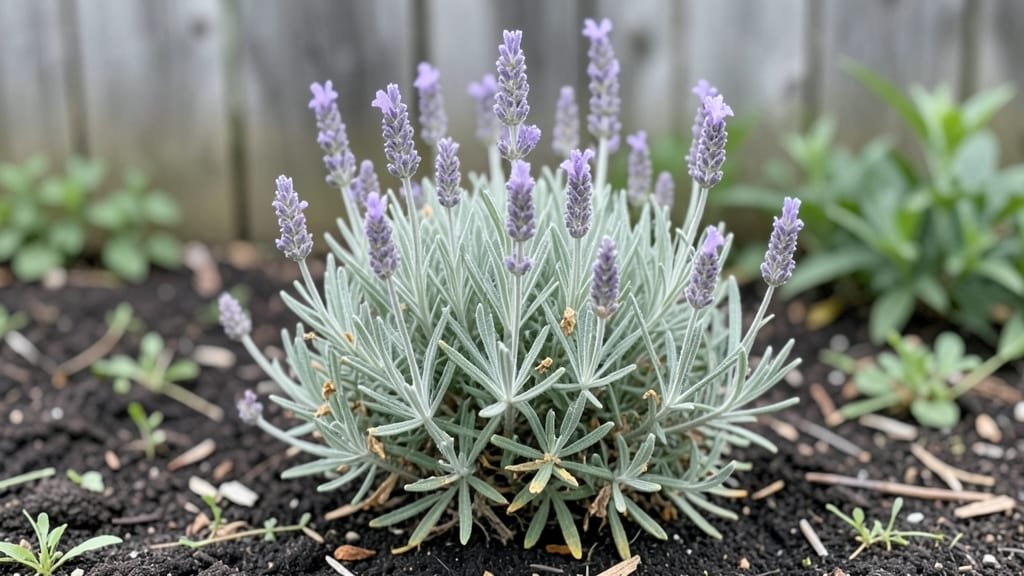
Lavender plants bloom in late spring to early summer, typically between May and July, depending on climate and variety, with flowers lasting 4-6 weeks before drying naturally. Early bloomers may appear as soon as April in warmer regions, while hardier types extend into August.
Understanding lavender’s bloom cycle starts with recognizing how sunlight triggers its growth—these plants need at least 6-8 hours of direct light daily to produce buds. 🌿 In cooler climates like the Pacific Northwest, you’ll often see blooms push into June or July, while Mediterranean varieties in Southern California might start as early as March.
The key difference lies in their hardiness: English lavender, for example, thrives in USDA zones 5-8 and blooms later than Spanish lavender, which prefers warmer zones 7-10.
What many gardeners miss is how pruning after the first flush of flowers can coax a second, smaller bloom later in summer. I’ve found that cutting back one-third of the stems right after the initial flowers fade—around late July—often yields a modest rebloom in September for hardier varieties.
This technique works best with well-drained soil and minimal fertilizer, as lavender hates rich, nitrogen-heavy conditions that encourage leaf growth over flowers.
💡 In This Article
- Lavender Flowering Stages by Variety and Climate
- Tips to Extend Lavender Blooming Season
Lavender flowering stages by variety and climate
Here's what's actually happening beneath the surface: lavender's bloom cycle is triggered by a combination of daylight length and temperature thresholds. Most varieties need 14-16 hours of daylight (achieved in late spring) and soil temperatures above 55°F to initiate bud formation.
English lavender, for instance, typically requires cooler nights (60-65°F) to set buds, while Spanish lavender thrives with warmer nights (65-70°F) and blooms earlier in the season. 🌸 This explains why you'll see Spanish lavender in full bloom by early May in Southern California, while English varieties might not peak until June in the Pacific Northwest.
The key factor is photoperiodism—the plant's internal clock that responds to changing daylight patterns. When days lengthen past 14 hours, lavender's apical meristems (growth points) shift from vegetative growth to flowering.
French lavender, like 'Grosso,' often blooms slightly later than Spanish types because it requires 2-3 weeks of consistent 70°F+ daytime temperatures to fully trigger its flowering hormones.
In contrast, hardy Spanish lavender can start budding as soon as soil reaches 58°F in spring, giving it that early-season advantage in warmer climates.
Regional climates create dramatic shifts in bloom windows. In USDA zone 5 (like Minnesota), English lavender might not bloom until late June due to slower spring warming, while the same variety in zone 8 (like Texas) could start in early May.
The science behind this involves vernalization—some lavender varieties need exposure to winter chilling (32-40°F for 4-6 weeks) to properly initiate spring blooming. This is why you'll often see lavender in zone 9 (like Arizona) produce multiple smaller blooms throughout summer rather than one big flush.
What most people don't realize is how elevation affects bloom timing. At 3,000 feet in Colorado, lavender might bloom 2-3 weeks later than at sea level due to cooler temperatures, even if both locations have similar daylight hours.
The mountain air creates a different microclimate where lavender behaves more like its English cousins. This elevation effect explains why lavender gardens in the Swiss Alps (similar elevation to Colorado) often have staggered blooms from June through August, with different varieties peaking at different altitudes. 🏔️
Consider these variety-specific bloom patterns when planning your garden:
- Spanish lavender: Early bloomer (April-May in warm zones), prefers dry, hot summers, often reblooms lightly in fall
- English lavender: Mid-season (May-June), thrives in cooler summers, needs winter chilling for best blooms
- French lavender (Grosso): Late bloomer (June-July), loves full sun and heat, produces largest flower spikes
- Portuguese lavender: Extended season (May-August), handles humidity better than other types
The most dramatic examples come from lavender farms in Provence, France, where they've developed varieties that bloom in three distinct waves—early (March-April), main (May-June), and late (July-August). This staggered approach creates continuous color and extends the harvest window for essential oils.
The secret lies in selecting varieties with different genetic triggers for flowering, similar to how gardeners mix early, mid, and late season tomatoes for continuous harvests. 🌿