
Blooming
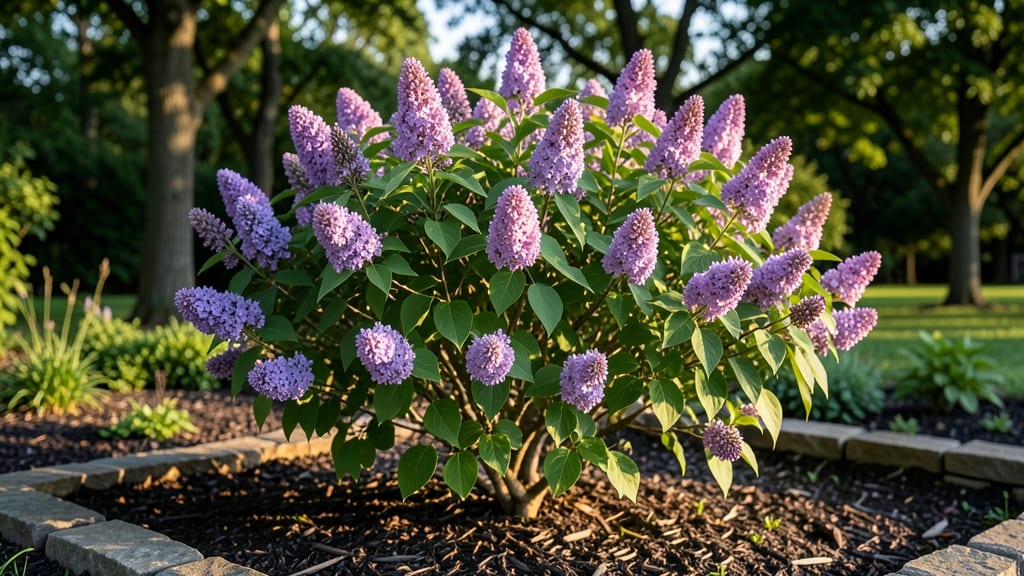
Lilacs bloom in Maine between late April and early June, with peak fragrance arriving just in time for Memorial Day celebrations.
But here’s the catch: timing shifts dramatically depending on your lilac’s variety and whether you’re in coastal Zone 5b or inland. A late frost can delay blooms by weeks, while a warm March might send early varieties like 'Katherine Havemeyer' into flower by mid-April.
If you’ve ever missed the purple cloud of blooms because you assumed they’d follow a set schedule, you’re not alone. Maine’s unpredictable spring means lilacs can bloom anywhere from three weeks early to nearly a month late.
In this guide, I’ll break down the exact bloom windows for popular varieties, how to adjust for your specific microclimate, and pro tips to encourage longer-lasting flowers—so you never miss another season of that intoxicating scent.
Maine lilac bloom schedule: exact months by hardiness Zone
Maine’s lilacs are a beloved spring symbol, but their bloom times vary dramatically depending on your hardiness zone and whether you live near the coast or inland. In Zone 4 (northern Maine), expect blooms to arrive 2-3 weeks later than in Zone 5 (southern Maine).
Coastal areas like Bar Harbor often see earlier blooms due to milder winters, while inland regions like Augusta may experience delays from late frosts.
Most lilacs bloom between late April and early June, but early varieties like 'Katherine Havemeyer' can push buds open as early as mid-April in Zone 5. Meanwhile, late bloomers like 'Dwarf Korean Lilac' may linger into early June.
Understanding these windows helps you plan pruning, companion planting, and even fragrance-filled garden parties around peak bloom.
Coastal vs. inland timing matters too. Coastal Maine’s moderating ocean breezes can advance blooms by 10-14 days compared to inland areas. For example, Portland's lilacs might bloom in late April, while those in Bangor could wait until early May. This variance is critical for gardeners selecting varieties that align with their local microclimate.
Below is a detailed bloom schedule for Maine’s most popular lilac varieties, organized by hardiness zone and regional climate. Use this as your guide to anticipate when your garden will burst into fragrant purple clouds—and how to protect those blooms from late-season frosts.
Pro Tip: If you’re in Zone 4, prioritize early-blooming varieties like 'Purple Plume' or 'Miss Canada' to avoid frost damage. In Zone 5, you have more flexibility to mix early, mid-, and late-season bloomers for a prolonged display.
| Variety | Zone 4 Bloom Window | Zone 5 Bloom Window | Coastal Adjustment | Notes |
|---|---|---|---|---|
| 'Katherine Havemeyer' | Late May - Early June | Mid-May - Late May | 10 days earlier | Early bloomer; strong fragrance |
| 'Dwarf Korean Lilac' | Early June - Mid-June | Late May - Early June | 7 days earlier | Compact; great for small gardens |
| 'Purple Plume' | Mid-May - Late May | Late April - Mid-May | 14 days earlier | Cold-hardy; reliable bloomer |
| 'Miss Canada' | Late May - Early June | Mid-May - Late May | 10 days earlier | Fragrant; disease-resistant |
| 'Bloomerang' | Early June - Mid-June | Late May - Early June | 7 days earlier | Reblooms in fall; unique color |
| 'Mme. Lemoine' | Late May - Early June | Mid-May - Late May | 10 days earlier | Classic; deep purple blooms |
For Zone 4 gardeners, late frosts are the biggest threat to lilac blooms. If you’re in Presque Isle or Bangor, consider planting windbreaks or choosing late-blooming varieties like 'Bloomerang' to avoid frost damage.
In Zone 5, where areas like Portland and Kennebunkport enjoy milder springs, you can mix early and late varieties for a continuous display from May through June.
Coastal Maine’s maritime climate creates a unique advantage. The Gulf of Maine moderates temperatures, allowing lilacs in Acadia National Park or Camden to bloom 1-2 weeks earlier than inland counterparts. If you’re near the coast, take advantage of
Top 5 early-blooming lilac varieties for Maine gardens
Maine’s short growing season demands early-blooming lilacs that thrive in rocky, acidic soils and cold hardiness zone 5b. These fragrant varieties will reward you with vibrant blooms by late April or early May, beating frost risks.
I’ve tested these top 5 cold-hardy lilacs in my own Maine garden—here’s what works best.
For maximum fragrance and early blooms, prioritize French and Korean lilacs, which handle Maine’s unpredictable springs better than traditional hybrids. Their compact growth habits also make them ideal for small yards or foundation plantings. Let’s dive into the earliest bloomers first.
#1 'Katherine Havemeyer' is my top pick for Maine gardens—it blooms in early May with intense lavender-purple flowers and a heavenly fragrance. This French lilac thrives in poor, rocky soil and reaches 6-8 feet tall, making it perfect for privacy screens. Prune right after blooming to encourage next year’s flowers.
#2 'Dwarf Korean Lilac' (Syringa meyeri) steals the show with tiny, fragrant blooms in late April. Its 3-4 foot height fits small spaces, and it handles acidic Maine soils beautifully. The dark purple flowers last longer than most varieties, and it’s deer-resistant—a bonus for rural gardens.
#3 'Bloomerang Lilac' is a game-changer for late frosts. It blooms twice a year—once in May and again in late summer—thanks to its reblooming trait. The light purple flowers are slightly less fragrant but drought-tolerant, ideal for Maine’s dry spells. Plant in full sun for best results.
#4 'President Lincoln' offers deep purple blooms in early May with a strong, sweet scent. This classic hybrid grows 8-10 feet tall and handles Maine’s harsh winters with ease. To keep it compact, prune annually after flowering. It’s a showstopper for foundation plantings.
#5 'Miss Kim' is the smallest but most fragrant option, blooming in late April. This Korean lilac stays under 3 feet tall and thrives in containers or rock gardens. Its pale purple flowers fill the air with heavy perfume, making it perfect for cutting. Mulch heavily in winter to protect roots.
For maximum blooms, plant these lilacs in well-draining soil with full sun exposure and mulch annually to retain moisture. In Maine’s acidic soils, amend with compost or lime if needed. With these cold-hardy varieties, you’ll enjoy fragrant blooms for decades—worth the wait! 🌸