
Blooming
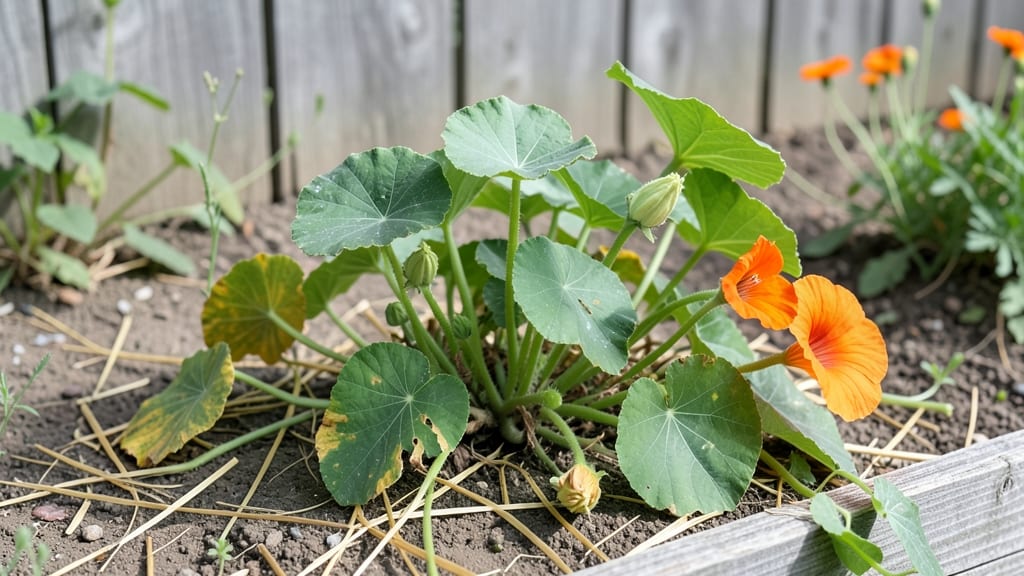
Nasturtium flowers bloom typically between late spring and early fall, with peak flowering from mid-summer to frost, depending on climate and variety. Annual types often start blooming 6-8 weeks after planting, while perennials may rebloom in warmer regions.
Timing matters when growing these vibrant blooms, as cooler climates often see a delayed start compared to warmer regions. 🌿 For example, in northern areas, nasturtiums may not reach peak color until late July, while southern gardens can enjoy continuous blooms well into October.
Varieties like 'Alaska' thrive in cooler weather, while 'Empress of India' prefers heat—so choosing the right type for your zone makes all the difference.
What’s fascinating is how these flowers respond to seasonal cues. Once established, they’ll keep producing blossoms as long as temperatures stay above freezing, making them a reliable choice for gardeners who want long-lasting color.
I’ve found that consistent deadheading (removing spent flowers) encourages new growth, which can push the bloom season even later into fall.
💡 In This Article
- Nasturtium Blooming Seasons by Climate Zones
- Maximizing Nasturtium Blooms: Pruning and Care Tips
Nasturtium blooming seasons by climate Zones
Here's what's actually happening with nasturtiums: their bloom cycles are directly tied to temperature thresholds. These plants thrive when daytime temperatures consistently reach between 60-75°F, with cooler nights (50-60°F) helping trigger bud formation.
In cooler climates like USDA Zone 5, frost-sensitive varieties may wait until soil temperatures stabilize above 55°F before sending up vigorous growth. This delay often pushes first blooms to late May or June instead of the April-May window seen in warmer Zones 8-10.
The science behind this involves photoperiod sensitivity—nasturtiums respond to increasing daylight hours, which peak around the summer solstice. In Zone 10 (e.g., Southern California), where winters are mild, nasturtiums can bloom nearly year-round with proper care, while Zone 5 gardens typically enjoy just 3-4 months of continuous flowering.
Early varieties like 'Dwarf Jewel Mix' may start blooming 6-7 weeks after planting in warm zones, while late varieties like 'Jewel Mix' take closer to 8-9 weeks in cooler regions. 🌸
Cool weather plays a surprising role in extending the season. Many gardeners notice their nasturtiums produce a second flush of blooms when daytime temperatures drop to 65-70°F in late summer—this phenomenon occurs because cooler conditions reduce stress on the plants.
In Zone 7, where nights can dip to 55°F by September, you'll often see renewed flowering that continues until the first hard frost. This is why nasturtiums are sometimes called "frost-tolerant annuals"—they'll keep blooming until temperatures consistently fall below 32°F.
Sunlight intensity also creates regional variations. In high-desert areas (Zone 6), nasturtiums receive 14+ hours of sunlight during summer, which accelerates bloom cycles compared to coastal areas with similar climates but more cloud cover.
The extra UV exposure boosts chlorophyll production, giving nasturtiums their signature deep green foliage while also enhancing flower pigmentation. This is why varieties like 'Alaska' develop richer orange hues in full sun versus pale yellows in partial shade.
What most people don't realize is how microclimates affect local blooming patterns. A south-facing wall can create a Zone 8 microclimate in a Zone 5 garden, allowing nasturtiums to bloom 2-3 weeks earlier than those planted in open ground.
Similarly, container-grown nasturtiums in urban environments often flower later because pots heat up more slowly than garden soil. This is why I always recommend planting containers near walls or fences to take advantage of radiant heat. 🌿
For those in frost-prone areas, choosing the right variety makes all the difference. 'Black Velvet' nasturtiums, for example, handle cooler temperatures better than 'Empress of India', which prefers 70°F+ days.
In my Zone 6 garden, I've found that planting 'Black Velvet' near the foundation (where soil stays warmer) extends the bloom season by nearly 3 weeks compared to open-ground plantings. The key is matching varieties to your specific frost dates and microclimates.