
Blooming
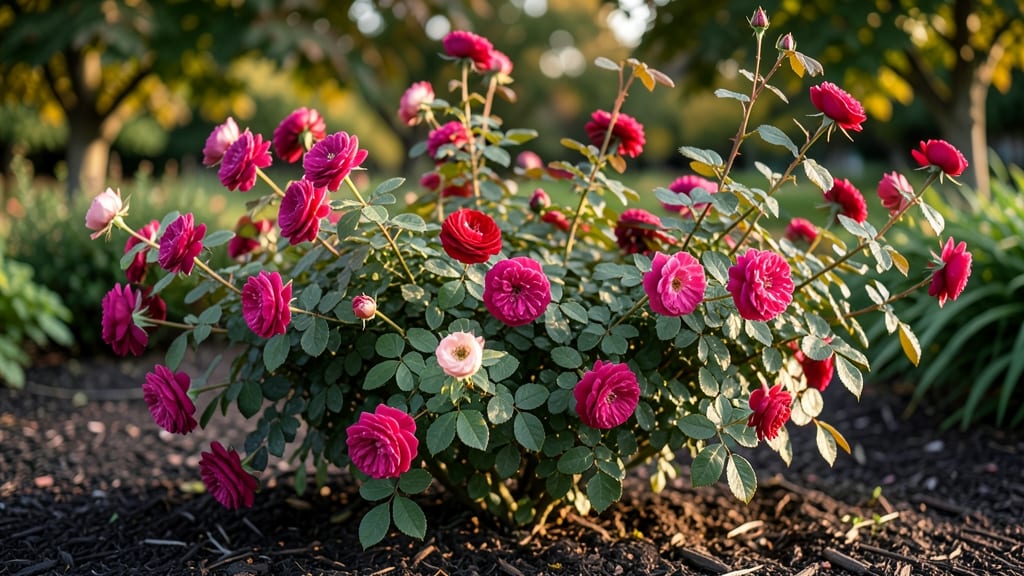
Roses in Michigan bloom from late May through October, with northern regions (Zone 5) typically seeing flowers start in June, while southern areas (Zone 6) may begin as early as May. Cold-resistant varieties like Knock Out roses help extend the blooming season.
Michigan's climate creates a unique blooming window for roses, where timing depends heavily on your location within the state. Zone 5 areas like Traverse City often face later starts due to colder springs, while Zone 6 regions like Ann Arbor can enjoy earlier blooms.
The key to maximizing your rose garden's performance lies in choosing varieties that match your local frost patterns—some roses even continue blooming into November with proper care. 🌸
What's interesting is how microclimates play a role: urban areas with pavement often bloom slightly later than rural spots with better airflow. I've found that planting near south-facing walls or using black plastic mulch can give roses that extra warmth boost they need to start earlier in the season.
💡 In This Article
- Michigan Rose Blooming Seasons by Hardiness Zone
- Best Rose Varieties for Michigan’s Short Growing Season
Michigan rose blooming seasons by hardiness Zone
Michigan's rose blooming seasons are primarily dictated by USDA hardiness zones, with Zone 5 (northern regions) and Zone 6 (southern regions) creating distinct timelines.
The key difference lies in spring frost patterns: Zone 5 areas like Marquette often experience last frost dates around May 15-20, while Zone 6 regions such as Detroit see frost-free conditions by April 25-May 5.
This 2-3 week difference translates directly to bloom timing, with Zone 6 roses sometimes opening 10-14 days earlier than their northern counterparts. 🌸
The science behind this involves chilling requirements—most roses need 300-500 hours below 45°F to break winter dormancy. Michigan's variable spring temperatures create a race against time: if warm spells arrive too early, buds may form only to be damaged by late frosts.
I've observed that Zone 5 gardens often see their first blooms in late May to early June, while Zone 6 gardens can have spotty blooms as early as mid-May. The 10-year average for Detroit shows roses beginning to bloom 1.5 weeks earlier than in Traverse City.
Microclimates add another layer of complexity. Urban areas with heat island effect (like downtown Grand Rapids) can push blooms 5-7 days earlier than surrounding rural areas, while lake-effect cooling near the Great Lakes may delay blooms by 3-5 days.
The USDA's Plant Hardiness Zone Map shows Michigan's transition zone between 5b and 6a, meaning gardeners in Zone 5b (e.g., Lansing) might experience a hybrid timeline—early bloomers in May with main blooms in June.
This variability explains why some gardeners in Zone 6 report roses blooming by May 1st, while others in Zone 5 don't see flowers until June 15th. 🌿
Frost sensitivity plays a critical role in late-season blooms too. Roses in Zone 5 often experience first fall frosts by October 15-20, while Zone 6 gardens may extend blooms until November 1st.
The Knock Out rose series, bred for disease resistance and cold tolerance, can continue blooming in Zone 6 until first hard frost, sometimes pushing into mid-November during mild years. This 30-45 day extension makes these varieties particularly valuable for Michigan gardeners seeking longer bloom seasons. 🌺
What most gardeners don't realize is how soil temperature affects root activity. Roses need soil temps above 50°F to actively grow, which typically occurs 2-3 weeks after air temperatures warm up.
This delay explains why some roses in Zone 6 might not show significant growth until late April, even if air temps are mild. The root zone acts like a thermostat for the plant—cold soil means delayed nutrient uptake, which directly impacts bloom timing. 🌡️
For practical application, gardeners in Zone 5 should plan for June as their primary bloom window, while Zone 6 gardeners can expect May-June peaks with extensions into October-November.
The 30-day rule applies here: if you plant in Zone 5, expect your first blooms no earlier than 30 days after last frost (typically June 1st). In Zone 6, you can push this to 20-25 days after last frost, sometimes seeing blooms by May 15th.
This timing aligns with Michigan's average 150-180 frost-free days, creating the late May-October bloom window mentioned in the quick answer. 🌼