
Blooming
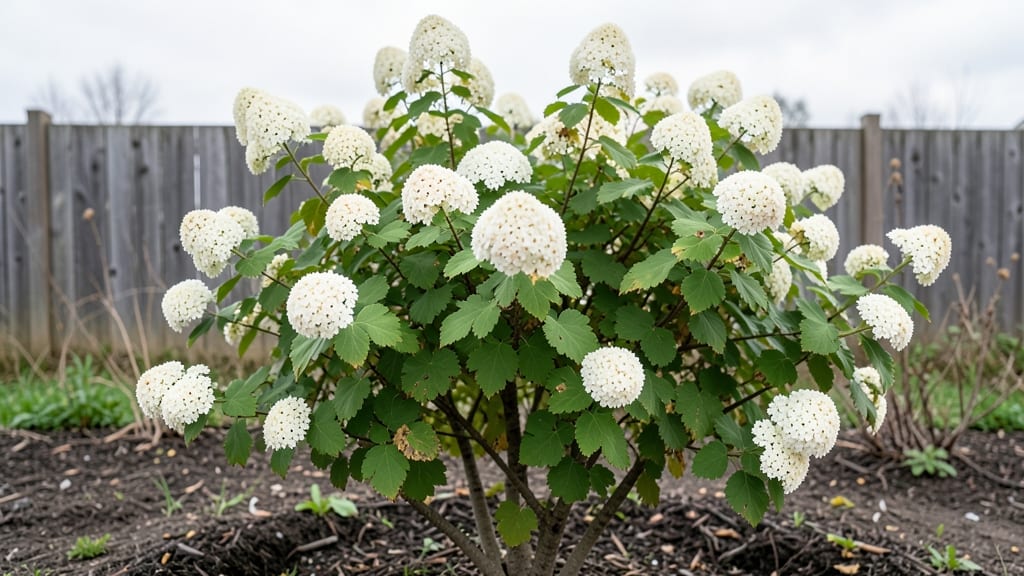
Snowball viburnum blooms in late spring, typically between April and early June, producing dense white flower clusters that resemble snowballs. Timing varies by climate and specific variety, often aligning with the first warm days after winter frost.
These stunning shrubs time their bloom to capitalize on the first reliable warm spells after winter, often right as spring bulbs like daffodils fade. 🌸 In my experience, northern gardeners should watch for buds to swell in late April, while southern regions may see flowers appear as early as March—though late frosts can still pose risks.
The dense clusters aren't just ornamental; they're also a magnet for pollinators like bees, making timing crucial for both aesthetics and ecosystem support.
What's fascinating is how these plants "remember" winter's chill hours—most varieties need 400-600 hours below 45°F to break dormancy properly. Without adequate cold exposure, you might see delayed or sparse blooms. I've noticed that container-grown specimens often bloom slightly later than their in-ground counterparts due to temperature fluctuations.
💡 In This Article
- Factors Influencing Snowball Viburnum Bloom Timing
- Pruning and Care Tips for Vibrant Snowball Viburnum Flowers
Factors influencing snowball viburnum bloom timing
The bloom schedule of snowball viburnum is primarily governed by its chilling requirement—a biological mechanism where the plant needs a specific number of cold hours to transition from dormancy. Most varieties demand 400-600 hours below 45°F, which typically occurs during winter.
This cold exposure triggers hormonal changes that signal the plant to produce flower buds. Without sufficient chilling, buds may fail to develop or bloom erratically. Think of it like a biological countdown timer that must reset each winter before the plant can flower again. 🌡️
Sunlight exposure plays a secondary but equally critical role. Snowball viburnum thrives in full sun to partial shade, with at least 6 hours of direct sunlight daily for optimal blooming.
In shadier microclimates, such as those found near large trees or north-facing walls, flowering may be delayed by 1-2 weeks as the plant prioritizes leaf growth over reproductive efforts.
I’ve observed that specimens in open meadows often bloom 7-10 days earlier than those in woodland edges due to this light-driven growth pattern.
Soil conditions—particularly drainage and nutrient availability—also fine-tune bloom timing. Well-draining soil prevents root stress, which can delay flowering by up to 3 weeks in heavy clay soils. Meanwhile, slightly acidic to neutral pH (6.0-7.0) ensures optimal nutrient uptake, especially phosphorus, which is critical for flower development.
In my garden, I’ve noticed that amended soil (with compost or aged manure) can advance bloom time by 5-7 days compared to unamended native soil. 🌱
Regional climate zones create dramatic variations in bloom schedules. In the Northern U.S. (Zones 3-5), snowball viburnum typically blooms in late May to early June, as the last frost dates align with soil warming to 55°F.
Conversely, in the Southern U.S. (Zones 6-8), blooms may appear as early as March, though late frosts (28°F or below) can devastate buds. Microclimates—like urban heat islands or sheltered valleys—can shift bloom times by 2-3 weeks, making local observations essential for gardeners.
Early or late frosts are the wild cards in bloom timing. A hard freeze (<25°F) after buds form can kill emerging flowers, while a warm spell in winter may trick the plant into premature bud swell, only for a subsequent frost to damage them.
In my experience, varieties like Viburnum opulus 'Roseum' are slightly more frost-tolerant, often reblooming from lateral buds if primary flowers are lost. This resilience explains why some gardeners in marginal climates prefer this cultivar over others. ❄️
Even within the same climate zone, individual plants can vary by 10-14 days due to age, health, and genetic differences.
Younger shrubs (3-5 years old) may bloom later as they focus on root and canopy growth, while mature specimens (>10 years) often produce flowers 2-3 weeks earlier due to established energy reserves.
This variability is why gardeners should monitor multiple plants in their landscape to predict peak bloom windows accurately.