
Blooming
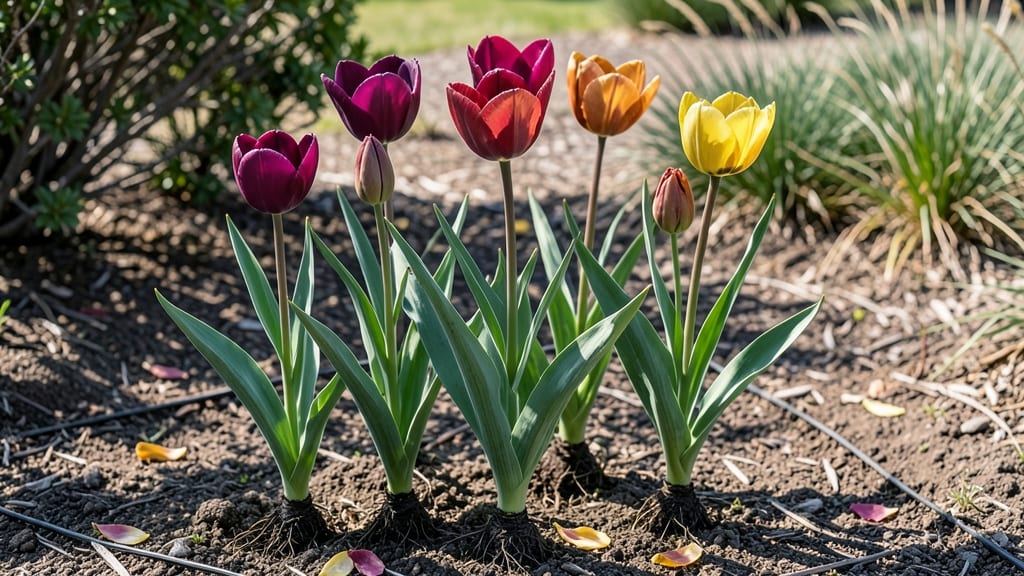
Tulips bloom in Texas between February and April, but timing depends on your hardiness zone and the variety you choose.
Texas gardeners know the struggle—tulips thrive in cooler climates, but planting them in the Lone Star State requires precise timing to beat the heat. Without the right conditions, you might end up with wilted blooms before they even open.
In North Texas (Zones 7b-8a), expect tulips to bloom as early as late February, while Central Texas (Zones 8a-9a) sees blooms in March. South Texas (Zones 9a-10b) may only get a few weeks of tulip season in early April, depending on winter chilling.
Below, I’ll break down the best planting windows, heat-resistant varieties, and simple tricks to extend your 🌷 season—so you can enjoy vibrant blooms without the guesswork.
Texas tulip blooming seasons by USDA hardiness Zones
Tulips in Texas face unique challenges due to our warm winters and scorching summers, but with the right timing, you can enjoy stunning blooms. Unlike traditional spring-blooming zones, Texas gardeners must focus on fall planting and heat-resistant varieties to succeed. The key lies in understanding your USDA hardiness zone—whether you're in North Texas (7b-8a), Central Texas (8a-9a), or South Texas (9a-10b)—each requires slightly different timing for optimal tulip performance.
Texas tulips typically bloom from late February to early April, but this window shifts based on your zone and variety. Early bloomers like 'Early Harvest' may appear as early as February 1st in North Texas, while late varieties like 'Apeldoorn' might not peak until mid-April in South Texas.
The secret to success? Planting bulbs 6-8 weeks before the first frost and choosing varieties that tolerate mild winters and summer dormancy.
Here’s a breakdown of blooming windows by zone, including ideal planting months and frost-sensitive periods:
| USDA Zone | Planting Window | Bloom Window | Frost Risk | Heat Tip |
|---|---|---|---|---|
| 7b-8a (North Texas) | October 15 - November 15 | Late Feb - Early Apr | High (Nov-Dec) | Use Darwin hybrids for heat tolerance |
| 8a-9a (Central Texas) | November 1 - December 1 | Early Mar - Mid Apr | Moderate (Dec-Jan) | Plant in partial shade to delay wilting |
| 9a-10b (South Texas) | December 15 - January 15 | Mid Mar - Early May | Low (rare frost) | Try species tulips (e.g., 'Tulipa greigii') |
In North Texas (Zones 7b-8a), tulips bloom earliest due to cooler winters, but you’ll need to plant bulbs by mid-November to avoid frost damage. Varieties like 'Parrot' tulips thrive here but may struggle with summer heat—so deadhead spent blooms immediately to redirect energy to bulb storage.
The last frost date (typically March 1st) signals the end of tulip season, but with proper care, bulbs can rebloom next year.
Central Texas gardeners in Zones 8a-9a have a slightly later window, with blooms stretching into April.
The trick here is to plant bulbs in November and provide afternoon shade during peak summer to prevent wilting. Fringed tulips like 'Queen of Night' are excellent choices for this zone, as they handle mild winters better than traditional hybrids.
For South Texas (Zones 9a-10b), tulips are a gamble due to minimal winter chilling, but it’s not impossible. Plant bulbs in December-January and opt for species tulips like 'Tulipa tarda', which tolerate warmer winters.
Expect blooms from March to May, but be prepared for shorter vase life—these tulips wilt faster in 90°F+ heat. Always plant in well-draining soil and mulch heavily to retain moisture.
To extend your tulip blooms in Texas, try these pro tips: Deadhead flowers immediately to prevent seed production and encourage reblooming. Water deeply but infrequently—tulips hate soggy soil but need consistent moisture during active growth.
And for heat-sensitive varieties, consider planting bulbs in containers where you can move them to shade during summer. With the right variety and timing, you can enjoy vibrant tulips in Texas gardens year after year!
Remember, tulips in Texas are not perennial like in cooler climates—they often decline after 2-3 years. To keep your garden blooming, replant bulbs every 2-3 seasons and choose heat-tolerant varieties like Darwin hybrids or species tulips.
With these strategies, your Texas tulip garden can be a spring highlight despite the heat! 🌷
How to time tulip planting for Texas heat resistance
Texas heat can be brutal for tulips, but with the right timing and preparation, you can still enjoy stunning spring blooms. The key is planting bulbs 4-6 weeks before the first frost—typically between October and December—to give them time to establish roots before winter.
However, Texas’s varied climate zones mean your exact timing should adjust based on whether you're in North, Central, or South Texas.
For North Texas (Zones 7b-8a), aim to plant tulip bulbs in November to take advantage of cooler temperatures and avoid early spring heat.
In Central Texas (Zones 8a-9a), shift planting to October or early November, while South Texas (Zones 9a-10b) gardeners should plant in late September or October to beat the heat. These adjustments ensure bulbs get the 6-8 weeks of chilling they need to bloom successfully.
- North Texas (Zones 7b-8a): Plant in November for spring blooms in March-April. Use Darwin Hybrid varieties for heat tolerance.
- Central Texas (Zones 8a-9a): Plant in October for blooms in February-March. Choose species tulips like Tulipa greigii for better heat resistance.
- South Texas (Zones 9a-10b): Plant in late September for blooms in January-February. Opt for early-blooming varieties like Tulipa fosteriana.
- Soil Prep: Amend soil with compost and sand to improve drainage. Tulips hate soggy roots!
- Planting Depth: Bury bulbs 6-8 inches deep and space them 4-6 inches apart for optimal growth.
- Mulching: Apply 2-3 inches of mulch after planting to insulate bulbs and retain moisture.
- Watering: Water deeply once a week after planting, then reduce to every 2-3 weeks during dormancy.
Selecting the right tulip varieties is crucial for Texas success. Darwin Hybrid tulips, like 'Apeldoorn' or 'Red Emperor,' are heat-tolerant and thrive in warmer climates. For species tulips, try Tulipa greigii or Tulipa tarda, which handle Texas heat better than traditional hybrids.
These varieties often bloom earlier, avoiding the worst of the spring heat.
After planting, focus on minimizing stress during the growing season. Provide afternoon shade in hotter zones to protect blooms from wilting. Use drip irrigation to keep soil consistently moist without overwatering. Once tulips finish blooming, allow foliage to yellow naturally—this ensures bulbs store energy for next year’s flowers.
With these strategies, you’ll beat Texas heat and enjoy vibrant tulip blooms year after year. Start with the right timing, choose resilient varieties, and give your bulbs the care they need to thrive in the Lone Star State’s challenging climate. Happy gardening! 🌷