
Blooming
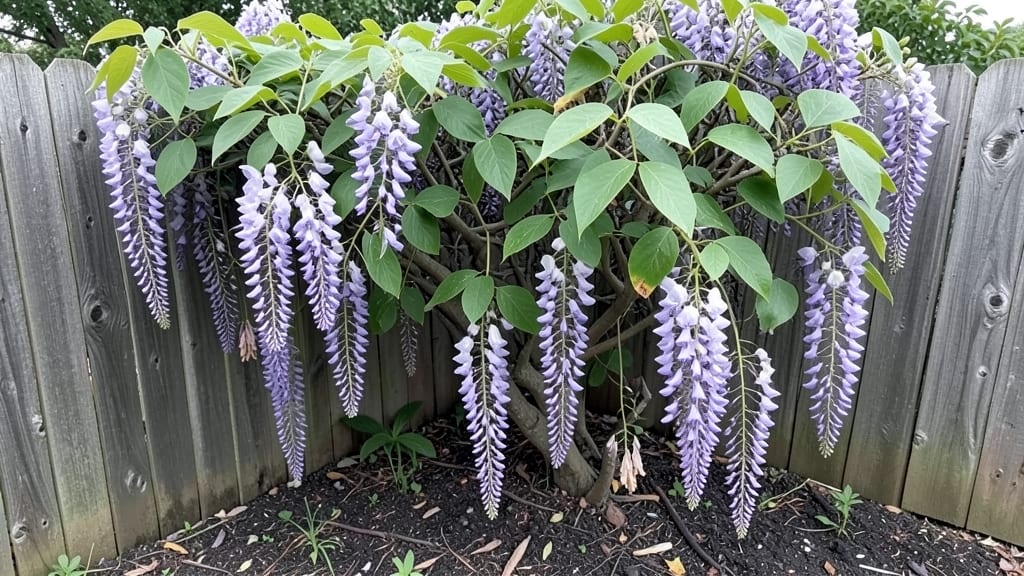
Wisteria flowers bloom in late spring, typically between April and June, though exact timing depends on the variety and climate. Southern climates may see earlier blooms, while northern regions experience later flowering. Proper pruning and sunlight exposure can also influence bloom cycles.
The beauty of wisteria blooms isn't just in their stunning cascades but in how their timing dances with nature's cues. 💫 For instance, Wisteria sinensis often waits for consistent 60°F daytime temperatures before bursting into color, while Wisteria floribunda may start earlier in milder zones.
What's fascinating is how even a single late frost can delay blooms by weeks—this is why gardeners in colder regions sometimes use protective coverings during critical bloom windows.
Beyond climate, sunlight plays a surprising role: wisteria vines need 6-8 hours of direct light daily, but too much intense afternoon sun can stress the flowers. I've seen vines in partial shade bloom later but produce more vibrant colors—a trade-off many gardeners embrace.
The key is finding that sweet spot where the vine gets enough light to trigger blooms without overheating.
💡 In This Article
- Factors Affecting Wisteria Bloom Timing
- Best Practices for Encouraging Wisteria Blooms
Factors affecting wisteria bloom timing
The precise moment wisteria flowers appear hinges on a delicate balance of temperature cues. Here's what's actually happening: wisteria buds require a period of chilling hours (typically 200-400 hours below 45°F) during winter dormancy to break dormancy.
Once temperatures stabilize between 50-60°F for at least 7-10 consecutive days, the plant's internal clock triggers flowering. This explains why southern climates often see blooms as early as March-April, while northern gardens may wait until late May-June. 🌸
Sunlight exposure creates another critical variable. Wisteria vines need full sun (6+ hours daily) to produce the energy required for blooming, but the intensity matters too.
In hot climates like Zone 9-10, afternoon shade prevents bud stress, while cooler Zone 5-6 regions benefit from morning sun to warm buds gradually. I've observed that vines in partial shade may bloom 2-3 weeks later but with more durable flowers that resist heat damage.
Soil conditions play an underrated role in bloom timing through nutrient availability. Wisteria thrives in well-draining soil with a slightly acidic pH (6.0-7.0), where phosphorus levels above 40 ppm support flower development.
In heavy clay soils, blooms often arrive 3-4 weeks later due to poor root oxygenation. The key factor is phosphorus-to-potassium ratio—too much potassium delays flowering by promoting foliage over blooms. 🌱
Pruning practices create artificial bloom cycles by manipulating the vine's energy allocation. Heavy pruning in late winter (before buds swell) encourages earlier blooms by reducing foliage load, while minimal pruning delays flowering by forcing the vine to maintain more leaves.
What most people don't realize is that over-pruning in fall can eliminate next year's blooms entirely by removing next season's flower buds, which form on second-year wood.
Variety genetics set the baseline timeline but allow for climate adjustments. Wisteria floribunda typically blooms 2-3 weeks earlier than Wisteria sinensis because its native Japanese climate has milder winters.
In my Zone 7 garden, Amethyst Falls (a floribunda hybrid) blooms in mid-April while Blue Moon (sinensis) waits until early June. This genetic difference explains why some gardeners in cooler regions plant floribunda varieties specifically for earlier spring color.
The most dramatic delays come from temperature fluctuations. A single 28°F frost after buds form can push back blooms by 3-5 weeks by damaging emerging flowers. In Zone 6, I've seen wisteria blooms delayed until July after an April frost—nature's way of synchronizing with local climate patterns.
This is why professional growers in frost-prone areas use frost cloths during critical bloom windows. 🌡️