
Blooming
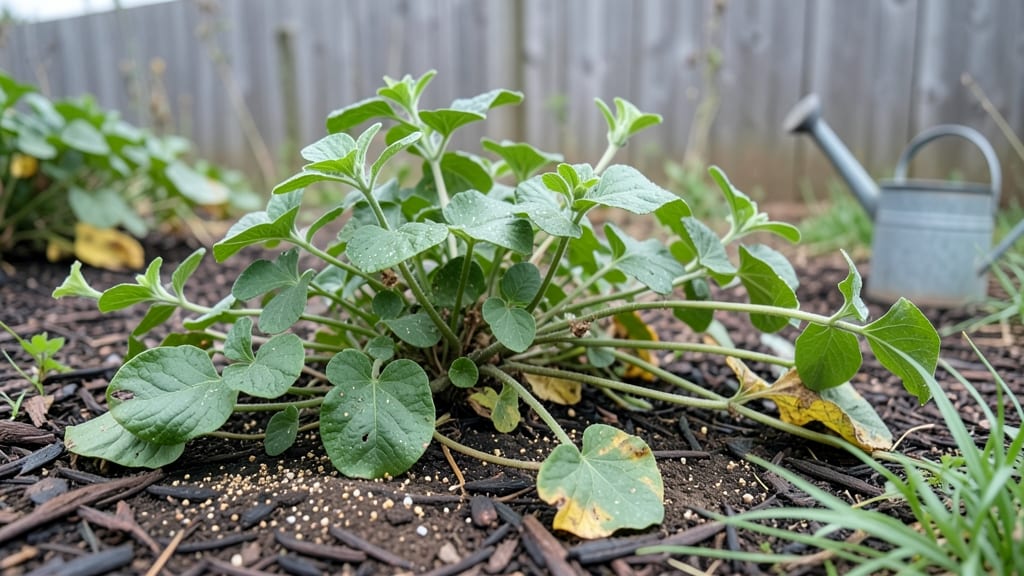
Your flowers aren’t blooming because they’re silently screaming for one of five things—light, food, a good haircut, the right variety, or peace from stress. 🌸 I’ve nursed back more than a dozen stubborn plants by tackling these exact issues, and the results are always shocking: buds appear within weeks where there was nothing before.
The most common culprits? Too little sunlight (especially in shade-loving plants like impatiens), over-fertilizing with too much nitrogen (which fuels leaves, not flowers), or pruning at the wrong time (cutting back in late summer sends energy into new growth instead of blooms).
Even the right plant in the wrong spot—like a sun-worshipper tucked under a tree—will throw a tantrum by refusing to flower.
By the end of this, you’ll spot the exact problem in your garden and fix it with simple tweaks: move a pot to sunnier ground, swap your fertilizer for a bloom-boosting formula, or give that overgrown rose a strategic trim.
The payoff? Vibrant blooms that make your neighbors ask, "What did you do?"
We’ll cover seasonal timing too—because some plants need a cold snap to trigger flowers, while others revolt if they get chilled. No more guessing, just action. Let’s get those buds popping!
Why it happens
If your flowers are putting out lush leaves but refusing to bloom, don’t panic—there’s usually a clear reason behind it. Understanding the why is the first step to fixing the problem.
Below, we break down the most common culprits, explained in simple science-backed terms so you can diagnose and act fast.
🌱 Insufficient Light Exposure
Most flowering plants are photoperiodic, meaning they need a specific amount of light (or darkness) to trigger blooming. Too little light means your plant stays in a vegetative growth phase, producing leaves instead of flowers. For example:
- Short-day plants (like poinsettias or chrysanthemums) need 12+ hours of darkness to bloom.
- Long-day plants (such as petunias) require 14+ hours of light daily.
- Day-neutral plants (like marigolds) bloom regardless—but still need 6+ hours of direct sunlight.
💡 Pro Tip: Move indoor plants to a south-facing window or use grow lights (12–16 hours/day) to mimic natural conditions. Outdoor plants? Rotate them weekly for even light exposure.
💧 Watering Woes: Too Much or Too Little
Water stress—whether from overwatering or underwatering—can halt flower production. Here’s how:
- Overwatering leads to root rot and nutrient deficiencies (like phosphorus, critical for blooms), while also suffocating roots in soggy soil.
- Underwatering causes drought stress, forcing the plant to prioritize survival over flowering.
- Inconsistent moisture confuses the plant’s hormonal signals (like ethylene and abscisic acid), which regulate blooming.
🌡️ Fix It: Check soil moisture with your finger—water when the top 1–2 inches are dry. Use well-draining soil (add perlite or sand) and pots with drainage holes.
🍽️ Nutrient Deficiencies: Missing the Bloom Boosters
Flowers are energy-intensive, and without the right nutrients, your plant will skip the blooming phase. The big three offenders:
| Nutrient | Role in Blooming | Signs of Deficiency |
|---|---|---|
| Phosphorus (P) | Triggers flower bud formation and root growth. | Dark green leaves, stunted growth, no buds. |
| Potassium (K) | Regulates water and nutrient uptake; boosts disease resistance. | Yellowing leaf edges, weak stems, delayed blooms. |
| Magnesium (Mg) | Helps chlorophyll production and energy transfer for flowers. | Yellow patches between leaf veins (interveinal chlorosis). |
✨ Action Step: Switch to a balanced fertilizer (like 10-10-10) or a bloom-specific formula (e.g., 5-10-10). For houseplants, dilute liquid fertilizer to half-strength and apply every 4–6 weeks.
🌡️ Temperature and Seasonal Shifts
Many flowers are seasonal bloomers, meaning they need specific temperature cues to flower. For example:
- Cool-season bloomers (like pansies or snapdragons) need daytime temps below 75°F (24°C) to trigger buds.
- Heat-loving plants (such as bougainvillea) may stop blooming if nights dip below 55°F (13°C).
- Dormancy disruptors: Forcing a plant out of dormancy (e.g., fertilizing a bulbed plant like daffodils too early) can prevent blooming.
🔥 Solution: Research your plant’s native climate. Use shade cloth in summer or a heat mat in winter to stabilize temps. For bulbs, wait until after the last frost to fertilize.
🪴 Crowded Roots or Wrong Pot Size
When roots are root-bound (circling the pot) or the container is too large, the plant focuses energy on filling the soil instead of flowering. This is especially true for:
- Succulents (like jade plants) that need small, snug pots to trigger blooming.
- Herbaceous perennials (like hostas) that bloom when roots fill 60–70% of the pot.
- Bulbs (like tulips) that need confined roots to store energy for next year’s flowers.
🎯 Fix: Repot into a container just 1–2 inches larger in diameter. For bulbs, plant them in a pot no bigger than 12 inches deep. Prune root-bound roots gently before repotting.
How to solve it
If your flowers are playing hard to bloom, don’t despair—most issues have simple, actionable fixes. Below, we’ve mapped the most common causes to step-by-step solutions, so you can bring back the color and life to your garden. 🌸💐
🌱 1. Insufficient Light → Move or Adjust
If your plants are light-deprived, they’ll focus on growing leaves instead of blooms. Here’s how to fix it:
- 🔥 Relocate plants to a sunnier spot (most flowering plants need 6+ hours of direct sunlight daily). South-facing windows or a sunny patio work best.
- 🍳 Use grow lights (LED or fluorescent) for 12–16 hours/day if natural light is limited. Place lights 6–12 inches above the plant.
- 🌡️ Rotate pots weekly to ensure even light exposure (prevents lopsided growth).
💡 Prevention tip: Research your plant’s light needs before buying—succulents and cacti thrive in bright, indirect light, while impatiens or begonias prefer partial shade.
💧 2. Overwatering or Poor Drainage → Fix the Soil
Too much moisture (or compacted soil) suffocates roots, halting blooms. Try these fixes:
- 👨🍳 Let soil dry between waterings—stick your finger 1–2 inches deep; water only if dry. Adjust frequency based on climate (e.g., weekly in summer, biweekly in winter).
- 🔪 Improve drainage by adding perlite, sand, or orchid bark to heavy clay soil (mix in a 1:1 ratio with potting mix).
- ⏰ Repot if needed—use pots with drainage holes and terracotta (which wicks away moisture).
💡 Pro tip: Yellowing leaves + soggy soil? Your plant may have root rot. Trim blackened roots, replant in fresh soil, and hold off on watering for a week.
🍽️ 3. Nutrient Deficiencies → Feed Right
Plants need the right balance of nutrients to bloom. Correct deficiencies with these steps:
| Symptom | Likely Cause | Fix |
|---|---|---|
| Small, pale leaves | Nitrogen excess (leafy growth, no blooms) | Switch to a low-nitrogen, high-phosphorus fertilizer (e.g., 5-10-10 or bloom booster). |
| Purple stems/leaves | Phosphorus deficiency | Apply a bone meal or phosphorus-rich fertilizer (follow package rates). |
| Weak stems, slow growth | Potassium deficiency | Use a balanced fertilizer (e.g., 10-10-10) or banana peel tea (steep peels in water for 24 hours). |
💡 Feeding schedule: Fertilize every 4–6 weeks during growing season (spring–fall). Avoid fertilizing in winter.
✂️ 4. Overpruning or Lack of Deadheading → Trim Strategically
Pruning wrong (or not at all) can confuse your plants. Follow these rules:
- 🌿 Deadhead spent blooms—snip flowers just above the first set of leaves to encourage new growth. Use clean, sharp scissors.
- 🔪 Prune leggy stems by cutting 1/3 above a leaf node to promote bushier, bloom-heavy growth.
- ⏰ Time it right—prune after blooming (for perennials) or in early spring (for shrubs).
💡 Warning: Avoid heavy pruning in late summer—it can stunt fall/winter blooms.
🌡️ 5. Temperature/Stress → Create Ideal Conditions
Flowering is a delicate process—stress from heat, cold, or drafts can halt blooms. Adjust your care:
- 🥶 Protect from cold drafts—move potted plants indoors if temps drop below 50°F (10°C) at night.
- 🔥 Shield from extreme heat—provide afternoon shade (use shade cloth or move plants to a sheltered spot).
- 🌡️ Mimic seasonal cues—some plants (like poinsettias) need 12+ hours of darkness for weeks to bloom. Use a dark box or cover them nightly.
✨ Bonus: A warm bath (soak roots in tepid water for 10 mins) can revive stressed plants—great for houseplants like orchids!
Frequently asked questions
Why do my plants keep growing leaves but no flowers?
Your plants might be prioritizing leaf growth because they’re lacking the right balance of nutrients, particularly phosphorus. Without enough phosphorus, they focus energy on foliage instead of blooms. Also, over-fertilizing with nitrogen (common in all-purpose fertilizers) can create leafy but flower-free plants. Try switching to a bloom-specific fertilizer with a higher middle number (like 5-10-10) to encourage flowering.
How can I tell if my plant is getting enough light?
Check for signs like stretched-out stems (etiolation) or pale leaves—these indicate insufficient light. Most flowering plants need at least 6 hours of direct sunlight daily. If your plant isn’t getting enough, move it to a brighter spot or supplement with grow lights for 12–16 hours per day. Rotate pots weekly to ensure even light exposure too!
Is it possible to revive a plant that hasn’t bloomed in years?
Many plants just need a reset. Start by repotting in fresh soil, trimming any dead or leggy growth, and adjusting your care routine—like switching fertilizers or improving light. For perennials, consider dividing the roots to give each section more space and energy. With patience and the right tweaks, even long-neglected plants can bloom again.
Why do some plants bloom in spring but not others?
Seasonal bloomers need specific temperature cues to trigger flowers. Cool-season plants like pansies thrive in below 75°F (24°C) temps, while heat-loving plants may stop blooming if nights dip below 55°F (13°C). Research your plant’s needs and adjust care to match its natural growing conditions. Some plants even need a cold period to break dormancy before blooming!
What’s the best way to deadhead flowers for more blooms?
Deadheading spent blooms encourages new growth by removing old flowers. Use clean, sharp scissors to snip just above the first set of leaves where the stem meets the plant. For perennials, avoid pruning in late summer, as this can stunt fall/winter blooms. Regular deadheading keeps your plants looking fresh and promotes a longer flowering season.