
Blooming
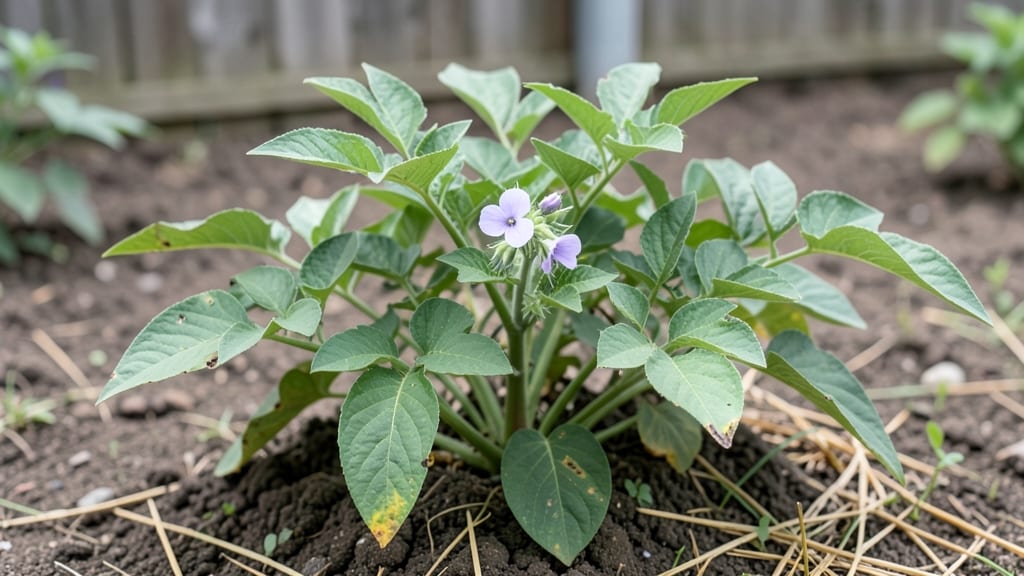
Potatoes bloom when their energy shifts from tuber growth to flower production, signaling maturity and often indicating it’s time to harvest for optimal flavor and size. Early blooms may mean smaller tubers, while delayed blooming suggests larger yields if soil and water are ideal.
This shift happens because potatoes prioritize reproductive growth over storage—once they start flowering, their focus moves from building tubers to producing seeds. 🌱 The timing depends on variety, climate, and soil health; early bloomers like fingerlings may yield smaller potatoes, while russets often bloom later but produce larger harvests.
Understanding this helps gardeners predict harvest windows and adjust care, like ensuring consistent moisture to support both blooms and tuber development.
What’s fascinating is how light triggers this change—longer daylight hours signal the plant to shift energy, while cooler temperatures can delay blooming. I’ve noticed that well-fed plants with balanced nutrients (especially phosphorus) tend to bloom later but produce more substantial yields, so soil prep matters just as much as timing.
💡 In This Article
- Potato Flowering Science: How Blooms Affect Tuber Development
- When to Harvest Blooming Potatoes for Best Flavor and Storage
Potato flowering science: how blooms affect tuber development
Here's what's actually happening when potatoes bloom: their hormonal system undergoes a dramatic shift from growth-focused auxin (which promotes tuber expansion) to reproductive ethylene production (which triggers flowering).
Think of it like a light switch—once ethylene levels rise, the plant redirects its energy from building starch reserves in the tubers to producing flowers and seeds.
This shift typically occurs when daylight hours exceed 14-16 hours, signaling summer's peak, though varieties like Yukon Golds often bloom later due to their longer growing season needs.
The key factor is photosynthesis allocation—healthy leaves capture sunlight, but when ethylene dominates, chlorophyll production slows in the foliage while sugars get funneled to the blooms instead of the tubers. 🌿 For example, fingerling potatoes often bloom within 60-70 days of planting, producing smaller tubers because their energy prioritizes reproduction over storage.
In contrast, russet potatoes may wait 90-110 days, allowing tubers to reach 6-8 ounces before blooming, thanks to their delayed hormonal response.
Temperature plays a surprising role too: cooler nights (55-60°F) can delay blooming by 10-14 days, giving tubers more time to grow. I've seen this firsthand in high-altitude gardens where russets bloom weeks later than at sea level.
Nutrient balance matters equally—plants deficient in phosphorus (a key component of ATP energy) often bloom early but yield smaller, less flavorful tubers. The sweet spot? Soil with 100-150 ppm available phosphorus keeps both blooms and tubers thriving.
What most people don't realize is that flower color reveals tuber quality: white or lavender blooms (like on Kennebec potatoes) indicate high starch content, ideal for baking, while purple flowers (like on Purple Peruvian potatoes) suggest anthocyanin-rich tubers with earthy, nutty flavors.
The timing of blooming also affects storage life—early bloomers like red potatoes store for 2-3 months at 40-50°F, while late bloomers like russets last 5-6 months due to thicker skins and higher starch density.
Consider these key factors when interpreting blooms:
- Daylight hours: 14+ hours triggers blooming in most varieties
- Temperature range: 65-75°F days with 50-60°F nights optimizes tuber growth before blooming
- Nutrient ratio: 3:1:2 (N:P:K) balance supports both blooms and tuber development
- Variety traits: Fingerlings bloom early (small tubers), russets bloom late (large tubers)
The science behind this involves a delicate balance between gibberellins (which promote tuber growth) and ethylene (which initiates flowering). When ethylene concentrations reach 0.1-0.5 ppm in plant tissues, the shift becomes irreversible—this is why you'll often see new tubers forming right after the first blooms appear.
Understanding this helps explain why some gardeners get frustrated when their potatoes bloom too early: it's not just about time, but about the plant's internal chemistry responding to its environment. 💫