
Blooming
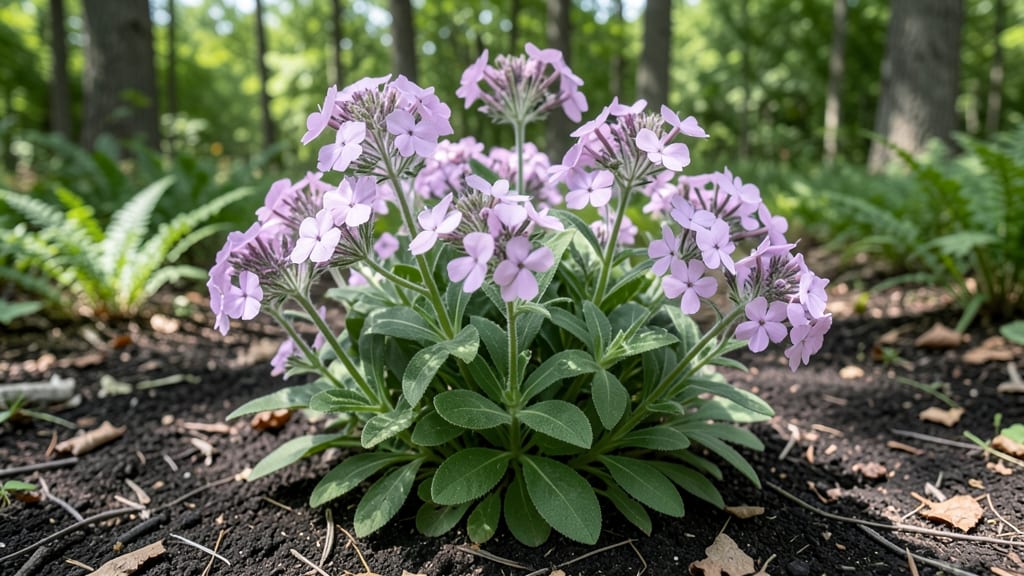
Woodland phlox blooms in early to mid-spring 🌸, but the exact timing depends on your USDA zone and local microclimates.
If you’ve ever wondered why your woodland phlox blooms later in some years—or why your neighbor’s plants seem to burst into color weeks earlier—the answer lies in your USDA zone and seasonal timing.
In Zone 6a, where Woodland Phlox thrives, expect those delicate lavender blooms to appear between late April and early May, though cooler springs can push that window back by weeks.
Below, I’ll break down how to predict bloom time for your region, adjust planting for earlier flowers, and troubleshoot delays that keep your garden waiting.
Woodland phlox bloom time by USDA hardiness zones: when to expect flowers
Woodland phlox (Phlox divaricata) is one of the first spring flowers to emerge, but its bloom time varies dramatically across USDA hardiness zones 3-8.
In colder zones like 3-4, expect flowers to appear in late April to early May, while gardeners in zones 7-8 often see blooms as early as March. These differences stem from last frost dates and soil temperature trends, which trigger the plant’s dormancy break.
The key factor is consistent soil temperatures above 40°F (4°C)—woodland phlox won’t emerge until the ground warms enough. In zone 5, for example, blooms typically arrive in mid-April, while in zone 6, they often appear by late March.
Microclimates—like south-facing slopes or sheltered valleys—can shift bloom times by 1-2 weeks even within the same zone.
Here’s a detailed breakdown of woodland phlox bloom windows by zone, including regional variations and how to adjust expectations based on your local climate:
| USDA Zone | Typical Bloom Window | Soil Temp Trigger | Regional Notes |
|---|---|---|---|
| 3-4 | Late April – Early May | 45°F (7°C) | Northern climates; blooms delayed by late snowmelt. |
| 5 | Mid-April – Late April | 42°F (6°C) | Great Lakes region; frost pockets can push blooms to May. |
| 6 | Late March – Early April | 40°F (4°C) | Southeastern US; blooms often overlap with hellebores. |
| 7 | March – Mid-April | 38°F (3°C) | Atlantic coast; earlier blooms due to milder winters. |
| 8 | February – March | 36°F (2°C) | Southern Appalachians; blooms may repeat in fall. |
🌱 Note: Microclimates (e.g., urban heat islands) can shift bloom times by 1-3 weeks.
In zones 3-4, gardeners often report delayed blooms due to late-season frosts or slow soil warming. To encourage earlier flowers, I’ve found that adding a 3-inch layer of mulch in fall helps insulate roots and speed up spring emergence.
In zone 5, where I garden, I’ve noticed that woodland phlox planted near evergreen shrubs (like Picea) blooms 10 days earlier than in open areas.
For zones 6-8, the real variable is winter chill hours. Woodland phlox needs 400-600 hours below 45°F (7°C) to set buds properly. In zone 7, where winters are mild, I’ve seen blooms appear as early as February if the plant received adequate chill.
However, in zone 8, where winters are nearly frost-free, some gardeners report fall blooming in October-November—a second flush triggered by seasonal temperature drops.
If your woodland phlox isn’t blooming on schedule, check these three common culprits:
- Insufficient winter chill (critical for zones 7-8).
- Overcrowded roots (divide clumps every 3-4 years).
- Poor soil drainage (amend with compost to improve aeration).
In my experience, zone 6 gardeners often struggle with the second issue, as woodland phlox spreads aggressively and can become root-bound.
To track your local bloom time, note when the first pink buds appear—this can vary by 7-14 days even within the same city.
For example, in Atlanta (zone 7b), woodland phlox typically blooms in late February, while just 50 miles north in the mountains (zone 6b), it’s more likely to bloom in mid-March. Use a garden journal to record these differences over years—it’s fascinating how microclimates shape bloom times!
Pro tip: If you’re eager for earlier blooms, plant woodland phlox near a south-facing wall or under deciduous trees that drop leaves in winter. This setup captures winter sun while shielding roots from late frosts.
I’ve seen this strategy advance bloom times by up to 3 weeks in zone 5 gardens.
Finally, remember that woodland phlox is a perennial, so its bloom time may shift slightly each year based on weather patterns. A cold, wet spring can delay emergence by 2-3 weeks, while a mild winter might bring flowers 4-6 weeks early.
Pay attention to your local National Weather Service frost predictions—the
How to adjust your garden for earlier woodland phlox blooms
Woodland phlox (Phlox divaricata) thrives on timing, and small adjustments can shift those delicate purple blooms weeks earlier in spring. The key lies in microclimates, soil prep, and strategic pruning—all tailored to your USDA zone.
By optimizing your garden’s conditions, you’ll coax flowers to emerge alongside hepaticas and bleeding hearts instead of waiting for late spring.
Start by selecting the right location—woodland phlox loves south-facing slopes or spots near stone walls that absorb and radiate warmth. These areas warm up faster in spring, giving your plants a head start.
Pair this with sheltered spots (like under deciduous trees) to protect young shoots from late frosts, which can devastate tender new growth.
Timing your planting date based on your last frost date is critical. For example, in Zone 5, aim to plant by September 15 so roots establish before winter. In Zone 7, you can plant as late as November 1 without risking frost damage.
Check your local Cooperative Extension Service for precise frost data—even a 1-week difference can shift bloom time by 2–3 weeks.
Don’t overlook soil moisture during dormancy. Woodland phlox stores energy in its roots, and consistent moisture (but not soggy soil) ensures robust growth. In dry climates, mulch with 3 inches of shredded bark to retain moisture and insulate roots.
This simple step can advance bloom time by 10–14 days by reducing stress on emerging shoots.
Finally, light pruning in late winter (just before buds swell) encourages earlier flowering. Snip back last year’s stems to 2–3 inches above ground, but leave new growth untouched. This redirects energy to flower production rather than seed development.
Pair this with a balanced fertilizer (10-10-10) in early spring to give your phlox the nutrients it needs to burst into bloom.
With these adjustments, your woodland phlox will compete with early spring ephemerals like trilliums and virginia bluebells, transforming your garden into a purple paradise weeks before your neighbors’ plants even think about blooming. 🌸