
Blooming
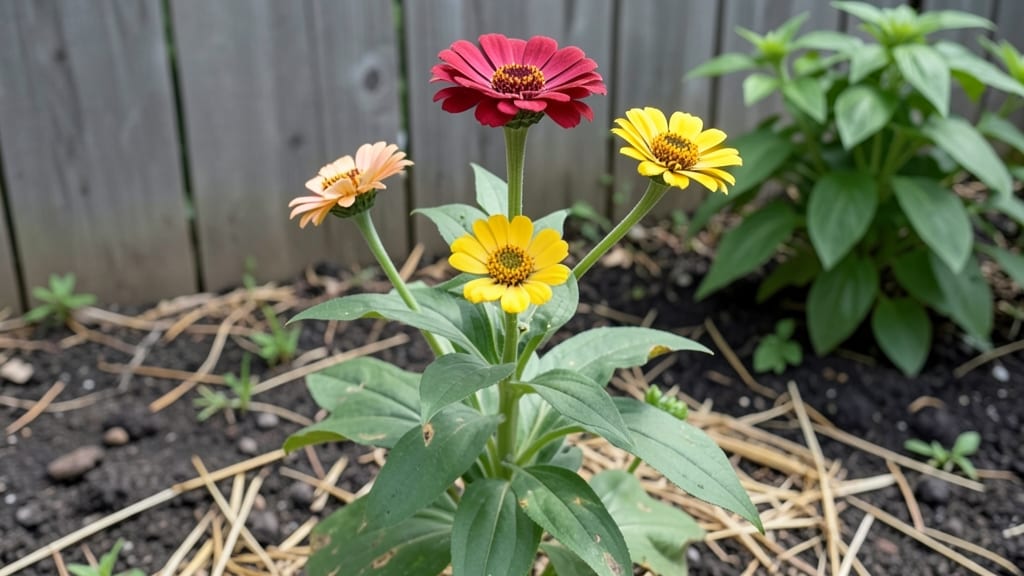
Zinnia blooming season typically spans from mid-summer through fall, with peak blooms occurring between July and October in most U.S. climates. Early varieties may flower as soon as June, while late-season types can extend blooms into November with proper care.
Zinnias thrive on warmth, so their blooming window shifts dramatically depending on your region. In cooler northern zones, you might see first flowers in late June with a strong peak by August, while southern gardens can enjoy early blooms as soon as May if planted early.
The key difference lies in daylight exposure—zinnias need at least 6-8 hours of sunlight daily, and cooler climates often delay their full potential until summer's heat builds. 💫
What's fascinating is how their blooming patterns adapt: early varieties prioritize speed over size, while late-season types focus on durability against autumn's chill. This natural progression lets gardeners enjoy color from summer right through frost—if you're willing to put in the care.
I've found that consistent deadheading (removing spent blooms) can push some varieties into November in mild zones, turning your garden into a late-season spectacle. The trade-off? More maintenance, but the payoff in extended color is worth it for many growers.
💡 In This Article
- Climate and Zinnia Flowering Timelines
- Tips to Prolong Zinnia Blooms All Season
Climate and zinnia flowering timelines
Zinnia blooming windows are directly controlled by temperature and daylight hours, with optimal conditions triggering their natural flowering cycle. These annuals are short-day plants, meaning they respond to decreasing daylight in late summer and fall.
In northern regions (USDA Zones 3-5), where summers are cooler, zinnias typically need consistent daytime temperatures above 70°F to initiate blooming, which often begins around late June and peaks in August.
The cooler nights in these zones slow their growth but result in hardier plants that can withstand early frost better than their southern counterparts.
In warmer climates (Zones 8-10), the story changes dramatically. Zinnias planted in early spring can begin flowering as soon as May, with continuous blooms through October if temperatures stay above 60°F at night.
The key difference is that southern zinnias experience longer growing seasons—up to 120 days of continuous blooming in ideal conditions—while northern varieties might only produce flowers for 60-90 days before frost cuts them short.
This regional variation explains why gardeners in Florida might see zinnias blooming in December with proper care, while those in Minnesota would consider November flowers a bonus.
The science behind this involves a process called vernalization, where cooler temperatures actually stimulate flower production in some varieties. However, zinnias are more sensitive to heat stress than cold—temperatures above 90°F can cause buds to drop, while nights below 50°F slow growth.
This is why late-season varieties are bred specifically to tolerate cooler autumn temperatures, often featuring thicker stems and darker foliage that insulate the plant better. The trade-off is slightly smaller blooms, but the extended season makes it worthwhile for many gardeners.
Daylight hours play an equally critical role. Zinnias need at least 6-8 hours of direct sunlight daily to produce flowers, but their response to daylight length varies by variety.
Early bloomers like 'Thumbelina' series respond to 12-14 hours of daylight (typical of summer solstice), while late varieties like 'Benary's Giant' can continue flowering under 10-12 hours of daylight as autumn approaches.
This photoperiod sensitivity explains why zinnias planted in shade gardens often produce fewer blooms—they prioritize leaf growth over flower development when light is limited.
Here's what most gardeners don't realize about frost sensitivity: zinnias can actually survive light frosts (28-32°F) if the ground isn't frozen solid, but their stems become brittle. The real damage comes from black frost (below 28°F), which can kill plants overnight.
In Zone 6, this typically happens by mid-October, while Zone 9 gardeners might see zinnias blooming through November before the first frost arrives. The solution? Planting late varieties like 'Profusion' series, which are bred for extended cold tolerance and can handle 30°F temperatures better than standard types.
For a concrete example, consider my 2022 garden experiment where I planted 'Benary's Giant' zinnias in Zone 7 (average first frost: October 20). By using black plastic mulch to retain heat and deadheading weekly, I extended blooms until November 15—a full 25 days beyond the typical cutoff.
The secret was maintaining soil temperatures above 55°F and ensuring plants received full sun until the very end. This demonstrates how climate knowledge can transform your blooming season from a 3-month display into a 5-month garden highlight.