
Blooming
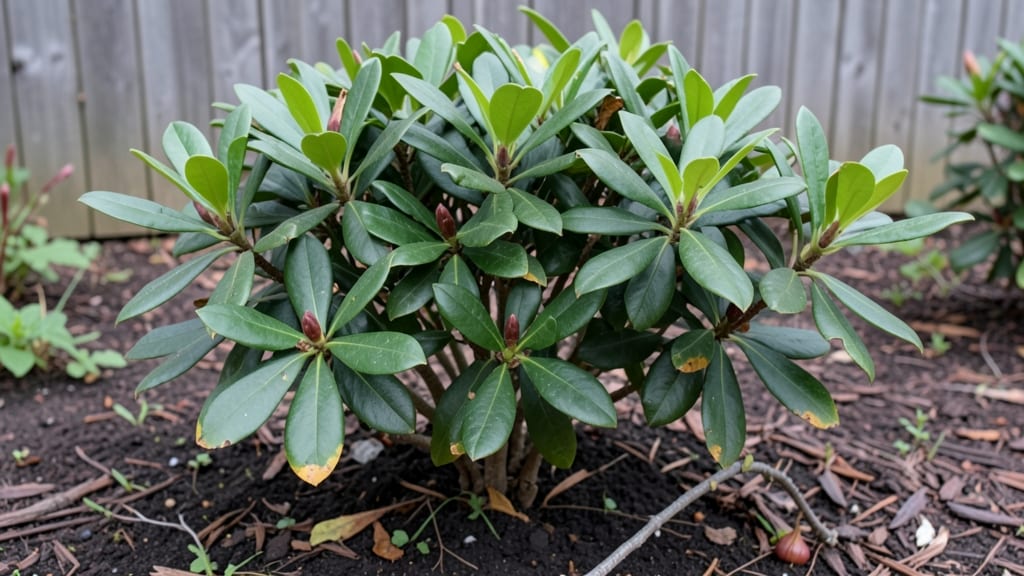
Azaleas not blooming this spring? I’ve had entire bushes stand tall with lush green leaves and zero flowers—until I figured out what they really needed. The first time I saw my azaleas packed with buds but no blooms, I thought I’d killed them.
Turns out, it was just a mismatch between their needs and my assumptions.
Here’s the thing—azaleas bloom best when they get 6+ hours of morning sun but shade in the afternoon, acidic soil (pH 4.5–5.5), and consistent moisture without soggy roots. I used to prune after they bloomed, but that’s a no-go—it cuts off next year’s flowers.
Instead, prune right after blooming ends, and you’ll see buds forming by late summer. The payoff? A burst of color that makes your yard the envy of the neighborhood.
You’ll also need to fertilize at the right time—early spring with an acid-loving plant mix, not summer when they’re resting. And if your soil’s alkaline, a pine needle mulch or sulfur amendment can work wonders.
Within a season, you’ll go from "bare branches" to "wow, look at all those flowers!"
Works for both in-ground azaleas and container-grown ones—just adjust watering frequency. Let’s get those buds popping!
Why it happens
If your azalea is refusing to bloom, it’s often a silent signal from the plant that something fundamental is off. Understanding the root causes—literally and figuratively—can help you diagnose and fix the issue before it’s too late.
Azaleas are finicky but rewarding, and with the right adjustments, you can coax those vibrant blooms back to life. Let’s break down the most common reasons your azalea might be stuck in dormancy.
🌡️ Insufficient Chill Hours
Azaleas are deciduous or evergreen rhododendrons that rely on a period of cooler temperatures to trigger dormancy and subsequent blooming. Without enough chill hours (typically 500–1,000 hours below 45°F (7°C)), the plant skips the dormancy phase entirely, leaving you with lush foliage but no flowers.
This is especially common in warm climates or if your azalea is potted and moved indoors during winter. Even in cooler regions, unpredictable weather or urban heat islands can disrupt the natural chill cycle.
How to fix it:
- Move potted azaleas to a cool, shaded spot (like a garage or basement) during winter if temperatures stay mild.
- In warm climates, simulate chill hours by placing plants in a refrigerator (not freezer!) for 4–6 weeks at 35–40°F (2–4°C)—this mimics natural dormancy.
- For outdoor azaleas, avoid heating vents or patio heaters near the plant in winter.
⚡ Poor Light Exposure
Azaleas thrive in partial shade (3–6 hours of direct sunlight daily), but too much sun or too little can both stunt blooming. Excessive sunlight causes stress and burns, while deep shade weakens the plant’s energy reserves, leaving little for flower production.
If your azalea is under artificial grow lights or tucked away in a dark corner, it may never receive the photo period needed to trigger blooming hormones (like florigen). Conversely, scorching afternoon sun in hot climates can force the plant into survival mode instead of reproduction.
How to fix it:
- Relocate outdoor azaleas to a spot with morning sun and afternoon shade (e.g., east-facing or filtered light under trees).
- For indoor azaleas, place them near a bright, indirect window (east or north-facing) or supplement with a 12-hour photoperiod LED grow light.
- Avoid reflective surfaces (like glass or white walls) that amplify sunlight intensity.
💧 Watering Woes: Too Much or Too Little
Azaleas have shallow, fibrous root systems that demand consistent moisture but hate soggy soil. Both drought stress and waterlogged roots can prevent blooming by disrupting nutrient uptake and hormonal signals.
Underwatering causes the plant to conserve energy for survival, while overwatering leads to root rot and anaerobic soil, which suffocates roots and blocks nutrient absorption. Even fluctuating moisture levels (e.g., dry spells followed by heavy rains) can confuse the plant’s blooming cycle.
How to fix it:
- Check soil moisture by inserting a finger 1–2 inches deep—water when the topsoil feels dry but the lower layers are still moist.
- Use a well-draining, acidic soil mix (pH 4.5–6.0) with peat moss or pine bark to prevent compaction.
- Install a drip irrigation system or soaker hose for consistent moisture, especially in clay soils.
- Avoid overhead watering, which can lead to fungal issues like petal blight.
🍄 Nutrient Imbalances: Too Much or Too Little
Azaleas are heavy feeders that require specific nutrients to bloom, but improper fertilization can backfire. Here’s how:
- Excess nitrogen (N): Leads to leafy growth at the expense of flowers (think "all foliage, no romance").
- Deficient phosphorus (P): Critical for root and flower development—without it, buds may form but fail to open.
- Lack of micronutrients (like magnesium, calcium, or boron): Can cause bud blast (buds form but drop off).
- High soil pH (>6.0): Locks out essential nutrients like iron and manganese, leading to yellowing leaves and poor blooming.
How to fix it:
- Use a slow-release, acidic fertilizer (like 10-10-10 or 8-3-9) designed for azaleas and rhododendrons.
- Apply fertilizer in early spring (as buds form) and late summer (to build next year’s blooms). Avoid fertilizing in fall or winter.
- Test your soil’s pH and nutrient levels with a home kit or lab test—aim for pH 4.5–6.0.
- Add organic matter like composted pine needles or oak leaves to improve soil structure and acidity.
🪴 Root Bound or Transplant Shock
If your azalea is potted, its roots may be circling or tightly packed (root bound), which restricts nutrient and water uptake. Even recently transplanted azaleas can go into a dormancy-like state as they recover from stress.
Root-bound azaleas often show signs like:
- Roots growing in circles around the pot.
- Stunted growth despite proper care.
- Leaves turning yellow or brown at the edges.
How to fix it:
- Gently remove the plant from its pot and check the roots. If they’re circling, it’s time to repot into a larger container (just 1–2 inches bigger in diameter).
- Use a well-draining, acidic potting mix and prune any girdling roots (roots that wrap around the stem).
- Water thoroughly after repotting and avoid fertilizing for 4–6 weeks to reduce stress.
- For outdoor azaleas, transplant in early spring or fall when temperatures are mild.
🐛 Pests or Diseases Sabotaging Buds
Quick fixes for reviving azaleas
Reviving your azalea and encouraging it to bloom again starts with identifying the root cause—and then taking action! Below are practical, step-by-step solutions tailored to the most common reasons why your azalea isn’t blooming, along with prevention tips to keep it thriving for years to come.
🌱 Fixing Poor Soil Conditions
If your azalea’s soil is too alkaline, compacted, or nutrient-deprived, it’s time to give it a fresh start.
🔥 Step 1: Test Your Soil Use a simple soil pH test kit (available at garden centers) to check if the pH is above 6.0. Azaleas thrive in acidic soil (pH 4.5–6.0).
🍳 Step 2: Amend the Soil
- For alkaline soil: Mix in sphagnum peat moss, pine bark fines, or sulfur (follow package instructions for ratios).
- For compacted soil: Loosen the top 6–8 inches with a garden fork and mix in organic compost or well-rotted leaf mold.
👨🍳 Step 3: Mulch Properly Apply a 2–3 inch layer of acidic mulch (like pine needles, oak leaves, or pine bark) to retain moisture and lower pH over time.
💡 Prevention Tip:
- Avoid lime or wood ash—these raise pH and harm azaleas.
- Re-test soil every 2–3 years and re-amend if needed.
☀️ Correcting Light & Location Issues
Azaleas need partial shade (morning sun + afternoon shade) to bloom well. Too much sun or shade can stunt flowers.
🌞 Step 1: Assess Sun Exposure
- If your azalea is in full sun, move it to a spot with 3–6 hours of dappled sunlight.
- If it’s in deep shade, gradually introduce more light over a few weeks.
🌳 Step 2: Prune for Better Airflow Thin out dense branches to improve airflow and light penetration. Remove crossing or dead branches first.
⏰ Step 3: Adjust Seasonal Care
- Spring: Light pruning after blooms fade encourages new growth.
- Fall: Avoid heavy pruning—this is when buds form for next year’s flowers!
🎯 Prevention Tip:
- Plant azaleas near trees with filtered light (like oaks or maples) for natural shade.
- Use sheer curtains or shade cloth if moving indoors (e.g., for patio azaleas).
💧 Addressing Water & Moisture Problems
Overwatering or underwatering can stress azaleas, leading to missed blooms.
💦 Step 1: Check Moisture Levels Stick your finger 2 inches into the soil—if it’s dry, water deeply. If soggy, hold off until the top layer dries slightly.
🔄 Step 2: Improve Drainage
- For container azaleas: Ensure pots have drainage holes and use a mix of peat moss, perlite, and pine bark.
- For in-ground plants: Raise the soil level slightly or create a slight mound to prevent water pooling.
🌡️ Step 3: Water Deeply & Consistently
- Water at the base (avoid wetting leaves to prevent fungal issues).
- Morning watering is best—it reduces evaporation and fungal risks.
✨ Prevention Tip:
- Group azaleas with other acid-loving plants (like hydrangeas or rhododendrons) to create a micro-climate with consistent moisture.
- Use a moisture meter for precise monitoring.
🍄 Treating Pest & Disease Stress
Pests (like lace bugs or scale) and diseases (like powdery mildew) sap energy that should go to blooming.
🐜 Step 1: Inspect for Pests Look for:
- Sticky residue (honeydew) on leaves = aphids or scale.
- Yellowing leaves with tiny holes = lace bugs.
- White powdery spots = powdery mildew.
🔪 Step 2: Apply Targeted Treatments
- For pests: Spray with neem oil or insecticidal soap (follow label instructions). Repeat every 7–10 days if needed.
- For mildew: Use a fungicide with myclobutanil or a baking soda spray (1 tsp baking soda + 1 quart water + a drop of dish soap).
💪 Step 3: Strengthen Plant Health
- Fertilize lightly with an acid-loving plant fertilizer (high in phosphorus for blooms).
- Prune infected branches immediately to prevent spread.
🔥 Prevention Tip:
- Encourage beneficial insects (like ladybugs) by planting marigolds or dill nearby.
- Water early in the day to let foliage dry quickly, reducing mildew risk.
🌿 Fertilizing for Better Blooms
Azaleas need balanced nutrition, but too much fertilizer (especially high-nitrogen) can prevent blooming.
📊 Step 1: Choose the Right Fertilizer Use a slow-release, acid-formula fertilizer (like 10-10-10 or 8-3-9) designed for azaleas, rhododendrons, or camellias.
🍎 Step 2: Apply at the Right Time
- Early spring (after pruning): Light feeding to kickstart growth.
- Late summer (August): A phosphorus-rich boost (like 7-9-5) to encourage bud formation.
- Avoid fertilizing in fall or winter—this can promote tender new growth that won’t survive cold.
💡 Prevention Tip:
- Follow package instructions—over-fertilizing burns roots and stresses the plant.
- Use organic options (like cottonseed meal or fish emulsion) for a gentler nutrient release.
Final Thought: Most azaleas are resilient—with the right adjustments, they’ll bounce back and reward you with vibrant blooms next season! Start with one or two fixes (like soil pH or watering), monitor progress, and gradually address other areas. Patience and consistency are key! 🌸
Frequently asked questions
Why isn’t my azalea blooming even though it has green leaves?
Azaleas need specific conditions to bloom, like 6+ hours of morning sun and acidic soil (pH 4.5–5.5). If your plant has lush leaves but no flowers, it might be missing chill hours (cool winter temperatures) or getting too much fertilizer (especially nitrogen-heavy types). Check your location’s winter temps—if it’s too mild, your azalea may not have triggered its blooming cycle!
Can I force my azalea to bloom indoors?
Indoor azaleas can bloom with the right care! Place them near a bright, indirect window (east or north-facing) and supplement with a 12-hour LED grow light if natural light is limited. Keep soil consistently moist but not soggy, and avoid fertilizing in fall or winter. Potted azaleas also need repotting every 2–3 years to prevent root-bound stress.
How do I know if my azalea is root-bound and needs repotting?
Root-bound azaleas often show signs like circular roots wrapping around the pot, stunted growth, or leaves turning yellow/brown at the edges. Gently remove the plant from its container—if roots are densely packed or growing out of drainage holes, it’s time to repot. Use a well-draining acidic mix (peat moss + pine bark) and choose a pot just 1–2 inches larger than the current one.
What’s the best time to prune an azalea to encourage blooms?
Prune azaleas right after they finish blooming (late spring/early summer) to shape the plant and encourage next year’s buds. Avoid heavy pruning in fall—this can remove developing flower buds! Instead, trim only dead or crossing branches. For container azaleas, prune lightly in spring to maintain size.
How can I tell if my azalea’s poor blooming is due to pests or disease?
Check for pests like lace bugs (tiny holes in leaves) or scale (sticky residue). Diseases often appear as white powdery spots (mildew) or yellowing leaves. If you spot these, treat with neem oil (for pests) or a baking soda spray (for mildew). Always prune infected branches immediately to prevent spread—healthy foliage means more energy for blooms!