
Trees
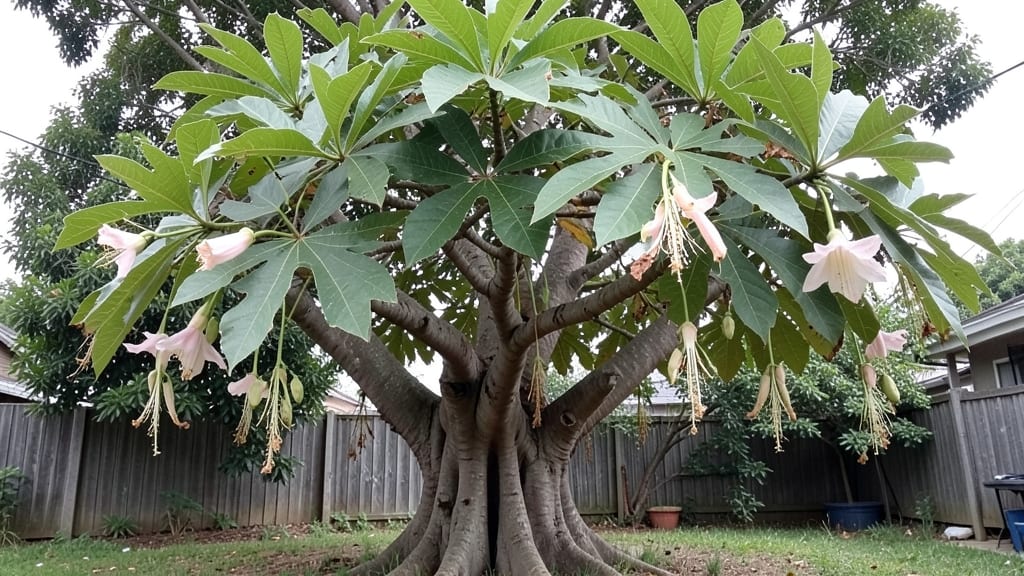
The ceiba tree bloom happens just once in its lifetime 🌳, a breathtaking event that turns this jungle giant into a living spectacle.
Imagine standing beneath a towering 100-foot tree as its branches burst into vibrant, star-shaped flowers—an experience so rare it feels like witnessing nature’s grandest performance. But why does this majestic tree save its most dazzling display for such a fleeting moment?
For gardeners in USDA Zone 6 or tropical regions, understanding the spring timing and environmental triggers is key to appreciating—or even cultivating—this one-in-a-lifetime phenomenon.
Whether you’re tracking wild populations or nurturing a young sapling, knowing the signs and secrets behind the bloom can turn a backyard into a stage for this natural wonder.
In this guide, I’ll break down when and why the ceiba tree blooms, how to spot the early cues, and what you can do to ensure your tree—or the wild ones you admire—puts on the show of a lifetime.
When does the ceiba tree bloom: seasonal and lifespan timing
The ceiba tree (Ceiba pentandra) is one of nature's most dramatic botanical events—a spectacle that unfolds only once in its lifetime. Unlike annual bloomers, this tropical giant typically flowers just once every 10-15 years, or at the very end of its natural lifespan, which can span 50-100 years.
This rare event makes witnessing a ceiba bloom a once-in-a-lifetime experience for most people.
The timing of a ceiba tree's bloom is closely tied to its natural environment. In tropical regions like Central and South America and Southeast Asia, these trees bloom during the dry season, usually between December and April.
This timing coincides with the region's harmattan winds, which help disperse the tree's pollen over long distances.
Geographic variations play a key role in bloom timing. In Mexico and Central America, blooms often occur in late winter to early spring, while in South America, the event might stretch from November to February. Even within the same region, individual trees may bloom at slightly different times, adding to the mystery of this natural phenomenon.
The ceiba tree's once-in-a-lifetime bloom is an evolutionary adaptation. Unlike most trees that flower annually, the ceiba conserves energy for decades before producing a massive, spectacular display of white or pinkish flowers.
This strategy ensures that when it does bloom, the tree produces an overwhelming number of flowers to maximize pollination success.
For those lucky enough to witness this event, the ceiba tree's bloom is a sight to behold. The tree can produce thousands of flowers in a single event, creating a stunning canopy of blossoms that can be seen from miles away.
The flowers are followed by large, spiky seed pods, which are a vital food source for local wildlife.
In some cultures, the ceiba tree's bloom is considered a sign of good fortune or a spiritual event. Indigenous communities often gather during bloom season to celebrate and harvest the seeds. The tree's cultural significance adds another layer of wonder to this rare natural phenomenon.
The lifespan bloom occurs in older trees, typically those over 30-40 years old. This final bloom is often more dramatic than the periodic blooms of younger trees. It's a climactic event that marks the tree's final reproductive effort before it eventually dies, leaving behind a legacy of new saplings.
If you're hoping to witness a ceiba bloom, your best bet is to visit tropical regions during the dry season. National parks and reserves in Costa Rica, Belize, and Thailand are known for their ceiba populations.
Keep in mind that predicting the exact timing of a bloom is nearly impossible, as it depends on the tree's age, health, and environmental conditions.
For gardeners in temperate climates, cultivating a ceiba tree is challenging but rewarding. These trees require warmth, humidity, and full sun to thrive. While they may not bloom in cooler climates, their striking foliage and towering presence make them a stunning addition to any landscape.
Understanding the ceiba tree's bloom timing helps us appreciate this remarkable plant's life cycle. Whether you're a nature enthusiast or a gardener, the ceiba tree's rare and spectacular bloom is a reminder of the incredible diversity and beauty found in the natural world.
🌳
While the ceiba tree's bloom timing is unpredictable, understanding its natural patterns can help you plan your visit. If you're in a region where ceiba trees grow, keep an eye out for leaf changes or increased activity among local wildlife, as these can signal an impending bloom.
For those growing ceiba trees in controlled environments, creating ideal conditions—such as high humidity and warmth
🌿
Why the ceiba tree blooms only once: evolutionary secrets
The ceiba tree's single-bloom phenomenon isn't just a quirky trait—it's a brilliant evolutionary strategy. This keystone species in tropical ecosystems has perfected the art of energy conservation while maximizing reproductive success.
Instead of wasting resources on frequent blooms, it invests everything into one spectacular display, ensuring a massive seed production that supports entire ecosystems.
Nature's design for the ceiba tree focuses on survival of the fittest in its environment. By blooming just once, often at the end of its natural life cycle (typically 50-100 years), the tree creates a lasting impact.
This strategy ensures that even if the tree itself doesn't survive, its seeds will thrive, spreading across vast distances through wind and animal dispersal.
This single-bloom strategy also aligns perfectly with the ceiba tree's role as a keystone species. In tropical ecosystems, where resources are limited, the tree's massive bloom becomes a critical food source during the dry season.
The flowers attract hundreds of pollinators, including bats and bees, while the seeds provide nourishment for birds and small mammals.
The ceiba tree's lifespan bloom often coincides with the end of its natural life, creating a spectacular finale that benefits the entire ecosystem.
This timing ensures that the tree's genetic material is dispersed just as it begins to decline, maximizing the chances that its offspring will thrive in the changing conditions of the tropical forest.
For gardeners and nature enthusiasts, understanding this evolutionary adaptation provides insight into why the ceiba tree is so vital to its environment.
Its single-bloom phenomenon isn't a flaw—it's a testament to nature's efficiency, proving that sometimes, less frequent but more impactful events can have a greater ecological effect than constant, smaller efforts.
Witnessing a ceiba tree in bloom is a rare privilege, but it's also a reminder of how interconnected ecosystems are. The tree's once-in-a-lifetime display isn't just about reproduction—it's about sustaining the delicate balance of life in the tropical rainforest. 🌳