
Blooming
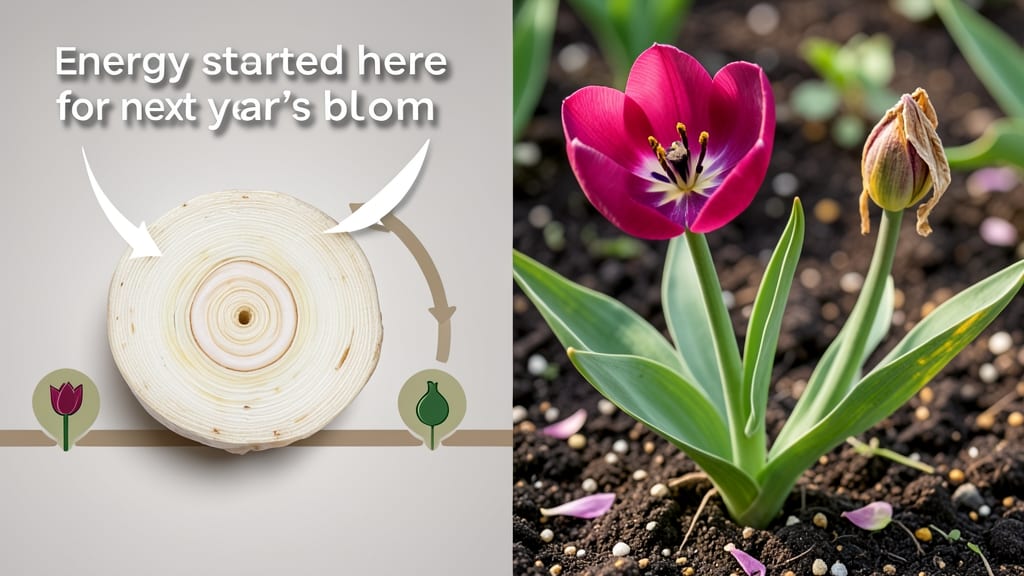
Most tulips do bloom only once a year because their flowering cycle depends on winter chilling and seasonal temperature shifts. After spring blooms, they enter summer dormancy, though some varieties can rebloom with proper care.
This annual bloom pattern happens because tulips are perennial plants that need a period of cold dormancy to reset their growth cycle. 🌱 The process, called vernalization, requires 6-8 weeks below 40°F to trigger flower buds.
Once they bloom in spring, the energy stored in the bulb is mostly depleted, leaving little for a second flush—unless you're growing reblooming hybrids like Darwin tulips or providing extra nutrients. The trade-off?
Forcing a second bloom can weaken the bulb over time, so it's not always ideal for long-term garden health.
What's interesting is how this cycle differs from other spring flowers. Unlike peonies or daylilies that bloom multiple times, tulips are monocarpic perennials, meaning they prioritize energy for one spectacular show rather than spreading it out.
This makes their single bloom season all the more dramatic when they do appear!
💡 In This Article
- Tulip Bloom Cycle: How Seasonal Changes Trigger Flowering
- Reblooming Tulips: Tips to Encourage Second Flowers
Tulip bloom cycle: how seasonal changes trigger flowering
The tulip's annual bloom cycle begins with a biological process called vernalization, where the bulb requires 6-8 weeks of temperatures below 40°F to trigger flower formation. This cold period mimics winter conditions, signaling the plant that it's time to prepare for spring growth.
Without this chilling, tulips remain dormant and won't bloom—this is why gardeners in warmer climates often struggle with tulips that refuse to flower reliably. 🌱 The cold triggers genetic changes that convert stored nutrients in the bulb into flower buds rather than leaves or stems.
Once the cold requirement is met, tulips rely on photoperiodism—their response to daylight length—to time the actual blooming. As daylight increases in late winter, the plant's internal clock shifts from dormancy to active growth.
This explains why tulips typically bloom in late spring (March-May), when temperatures stabilize and daylight reaches 12-14 hours. The combination of cold exposure and increasing light creates the perfect storm for tulip blooms.
Interestingly, this mechanism is similar to how many fruit trees (like apples) require winter chilling before they'll flower.
After blooming, tulips enter a summer dormancy phase where they focus on rebuilding their energy reserves. The above-ground foliage continues photosynthesizing for 6-8 weeks after flowering to replenish the bulb's nutrients—this is why gardeners must resist the urge to cut back leaves too soon.
If you remove foliage prematurely, the bulb won't store enough energy for next year's bloom. This dormancy period explains why most tulips only produce one spectacular show annually, as all their energy goes into that single bloom event.
There's a fascinating exception with Darwin Hybrid tulips, which are bred to bloom twice—once in spring and again in summer. These varieties can produce a second, though often smaller, flower because they've been genetically selected to store more energy reserves.
However, even these hybrids will eventually weaken if forced to rebloom year after year. The trade-off between dramatic single blooms and prolonged but less vigorous flowering is a classic example of plant energy allocation strategies.
What makes tulips particularly sensitive is their temperature sensitivity during bulb formation. If summer temperatures exceed 85°F for extended periods, the bulb's development is compromised, potentially leading to weak or no blooms the following year.
This explains why tulips thrive in temperate climates like the Netherlands but struggle in hot, humid regions without proper care. The delicate balance between cold requirements and summer recovery creates their predictable—but not always reliable—annual bloom cycle.
Understanding this cycle helps explain why tulips are such seasonal stars. Their single bloom season makes them a dramatic spring spectacle, but it also means gardeners must plan carefully to maximize their display year after year.
The key to consistent blooming lies in mimicking their natural conditions—providing adequate winter chilling, proper summer care, and avoiding premature foliage removal. 🌸