
Blooming
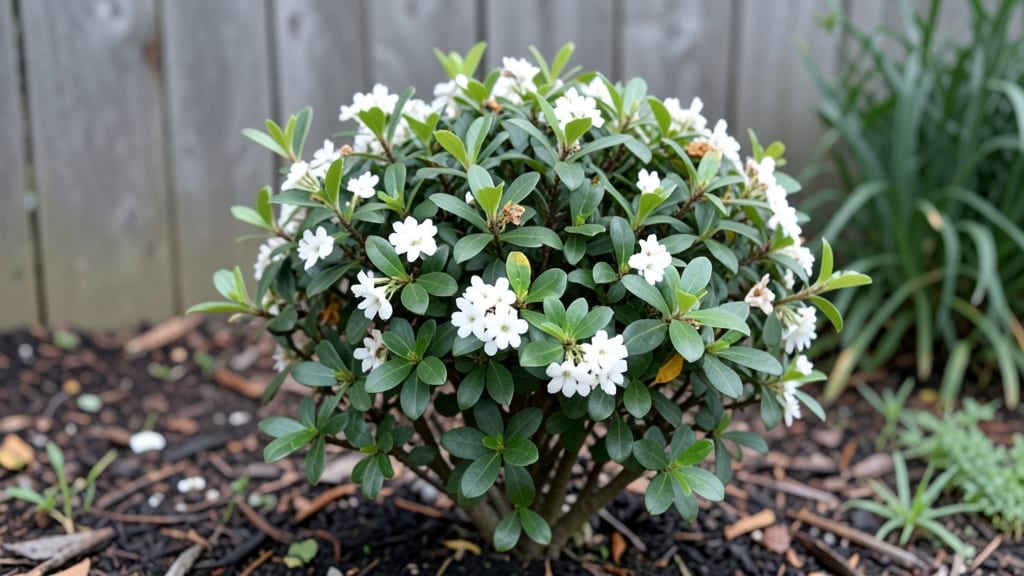
Boxwoods do bloom, producing small, fragrant white or pale green flowers in spring that often go unnoticed because they’re overshadowed by lush foliage. These blossoms attract pollinators and develop into red berries that add winter interest.
Many gardeners overlook boxwood blooms because their dense, evergreen leaves dominate the plant's appearance year-round. 🌿 However, these subtle flowers play a crucial role in the plant's life cycle, serving as both a food source for bees and butterflies and a precursor to the striking red berries that appear in late fall.
The timing of these blooms can vary by region—northern climates may see them as early as March, while southern gardens might enjoy them into May.
If you're eager to see more flowers and berries, focus on cultivating ideal growing conditions. Boxwoods thrive in well-draining soil with a slightly acidic to neutral pH, and they appreciate partial shade to protect their delicate blooms from harsh afternoon sun.
Avoid heavy pruning during the flowering season, as this can reduce next year's blossoms—light shaping after the flowers fade is best.
💡 In This Article
- Boxwood Flowering Season and Pollination Process
- Encouraging Boxwood Flowers and Berries for Garden Beauty
Boxwood flowering season and pollination process
Boxwoods typically bloom between March and May in temperate climates, with the exact timing influenced by latitude and microclimate conditions.
In cooler northern regions like the Pacific Northwest or New England, flowers may appear as early as late February, while southern states like Florida or Georgia often see blooms extending into June.
The flowers themselves are tiny—about 0.25 inches wide—with four delicate petals that create a star-like appearance when viewed up close. 🌸 What's fascinating is how these flowers emerge from the leaf axils, often going unnoticed among the dense evergreen foliage that remains vibrant year-round.
The pollination process relies heavily on insects, particularly bees and butterflies, which are drawn to the flowers' subtle fragrance and nectar rewards. Boxwoods are self-compatible, meaning their flowers can fertilize themselves, though cross-pollination often produces more robust berries.
Each flower contains both male and female reproductive parts, with the male stamens releasing pollen that must land on the stigma of either the same flower or another plant. This dual capability makes boxwoods resilient in gardens where pollinators are scarce.
The entire flowering cycle takes about 4-6 weeks, during which time the flowers gradually transition from white to pale green as they age.
What most gardeners don't realize is that these seemingly insignificant flowers are the precursors to the plant's most striking winter feature—the bright red berries that develop in late fall. The berries, which persist through winter, provide food for birds and add a pop of color to otherwise monochromatic landscapes.
The reason these flowers are so easily overlooked lies in their camouflage strategy: their small size, pale coloration, and positioning among the foliage make them nearly invisible to the casual observer. This evolutionary adaptation helps protect the flowers from herbivores while ensuring pollinators can still find them. 🌿
Regional variations in bloom timing can be dramatic. For example, boxwoods in Zone 5 (like Chicago or Boston) may bloom two weeks earlier than those in Zone 8 (like Atlanta or Dallas).
Coastal areas often experience earlier blooms due to milder winters, while inland regions may see delayed flowering because of colder nights.
The key factor controlling this timing is the plant's response to temperature fluctuations—boxwoods require a period of winter chilling (30-45°F for 6-8 weeks) to trigger spring blooming, followed by consistent daytime temperatures above 50°F to sustain flower development.
Here's what's actually happening at the cellular level: The flower buds form during the previous growing season but remain dormant until spring. As temperatures rise, the plant's meristematic cells (growth centers) become active, pushing the buds through the leaf axils.
The flowers themselves are perfect (containing both male and female parts), but their small size means they don't compete with the plant's primary focus—maintaining dense foliage for year-round interest.
This dual-purpose strategy allows boxwoods to thrive in gardens where they're primarily valued for their ornamental leaves rather than their flowers. 💫
One interesting exception is certain boxwood cultivars bred specifically for showier flowers. Varieties like 'Green Velvet' or 'Winter Gem' produce more abundant blooms that are slightly larger and more visible against their dark green foliage.
These cultivars often bloom 10-15% more prolifically than standard boxwoods, making them excellent choices for gardeners who want to appreciate both the flowers and the foliage. The trade-off is that these showier varieties may require slightly more maintenance to maintain their flowering potential.
If you're curious about how to encourage more visible blooms in your own boxwoods, focus on creating optimal growing conditions. The right balance of sunlight, soil pH (5.5-7.0), and proper pruning timing can make a noticeable difference in flower production.
For example, avoiding heavy pruning during the flowering season allows the plant to allocate more energy to next year's blooms rather than regrowing foliage. 🌟