
Blooming
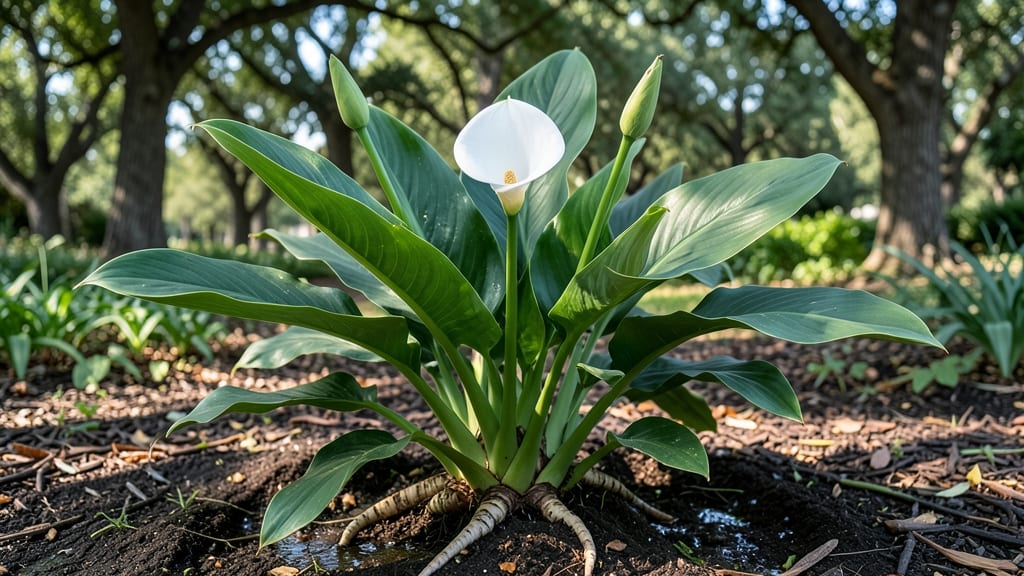
Calla lilies bloom every year only when grown in warm climates (USDA Zones 8-11) with consistent summer warmth and proper dormancy periods. In colder regions, they may require winter protection or replanting annually to encourage reliable reblooming.
Whether your calla lilies return with vibrant blooms each year depends entirely on your climate and how you care for them during dormancy. 🌸 These tropical plants thrive in heat, needing at least 6-8 hours of sunlight daily and soil that stays consistently moist but well-draining.
In cooler zones, they enter a natural resting phase—if you protect them with mulch or move containers indoors, many will surprise you with fresh blooms the following spring. The key difference between annual and perennial growth comes down to temperature control and proper soil preparation before winter.
For gardeners in USDA Zones 7 or below, treating calla lilies as annuals is often the simplest solution—digging up tubers before frost and storing them in dry peat moss until replanting in spring. This mimics their natural tropical behavior while avoiding winter damage.
Even in milder climates, dividing mature plants every 2-3 years boosts bloom production by preventing overcrowding. The good news? With the right care, you can enjoy their striking blooms year after year, regardless of your zone.
💡 In This Article
- Climate Zones and Calla Lily Blooming Cycles
- Tips to Encourage Year-Round Calla Lily Blooms
Climate zones and calla lily blooming cycles
Calla lilies originate from South Africa's warm, subtropical regions where temperatures rarely drop below 50°F and humidity stays consistently high. This tropical heritage explains why they thrive best in USDA Zones 8-11, where summer temperatures average between 75-90°F during their active growth phase.
The plants rely on these warm conditions to complete their full blooming cycle, which typically spans 6-8 weeks from bud formation to flower fade. In cooler zones, the shorter growing season and colder winters disrupt this natural rhythm, forcing the plants into an extended dormancy period.
The key mechanism behind annual blooming is the plant's response to daylight and temperature shifts. Calla lilies are short-day plants, meaning they flower in response to decreasing daylight hours (typically 12 hours of light or less).
When nights grow longer in late summer, they trigger blooming—provided daytime temperatures remain above 65°F. In colder climates, frost acts as a natural dormancy signal, halting growth until spring warmth returns.
The challenge is that this dormancy period can last 3-5 months, during which the tubers must remain viable to rebloom.
What most gardeners don't realize is how soil temperature affects tuber viability. The underground corms need to stay above 40°F to survive winter dormancy. In USDA Zones 7 and below, where winter temperatures often drop below freezing, the tubers risk rotting if left in the ground.
This is why many gardeners in these zones treat calla lilies as annuals—digging up and storing the tubers in dry peat moss or coconut coir at 50-60°F until replanting in spring. The trade-off is that this method preserves the plant's ability to rebloom for 3-5 years if stored properly.
Daylight exposure also plays a crucial role in blooming consistency. While calla lilies tolerate partial shade, they produce their most vibrant blooms with 6-8 hours of direct sunlight daily. In northern climates, this means positioning them in south-facing garden beds or using reflective surfaces to maximize light exposure.
The plants' natural growth habit—with broad, arrow-shaped leaves—helps them capture sunlight efficiently, but they still require careful placement to ensure full blooming potential each season.
Another critical factor is the balance between moisture and drainage. Calla lilies prefer consistently moist but well-draining soil with a pH between 6.0-7.0. In wet climates, poor drainage can lead to tuber rot during dormancy, while dry conditions cause the tubers to shrivel.
The ideal soil mix combines equal parts garden soil, compost, and perlite to create an airy medium that prevents waterlogging. This balance is particularly important in USDA Zones 9-11, where summer heat can dry out the soil quickly, stressing the plants and reducing bloom quality.
For gardeners in transitional zones (USDA Zones 7-8), the solution often lies in strategic planting techniques. Using black plastic mulch or straw mulch (at least 4-6 inches deep) can raise soil temperatures by 5-10°F, extending the growing season and protecting tubers from early frost.
This simple adjustment can make the difference between annual replanting and reliable perennial blooms. The mulch also helps maintain consistent soil moisture, which is essential for tuber development during the growing season.
Understanding these climate-specific factors transforms calla lilies from finicky annuals to reliable perennials in the right conditions. With proper care, even gardeners in cooler zones can enjoy their striking blooms year after year—it just requires a little extra attention to temperature, daylight, and soil management. 🌿