
Blooming
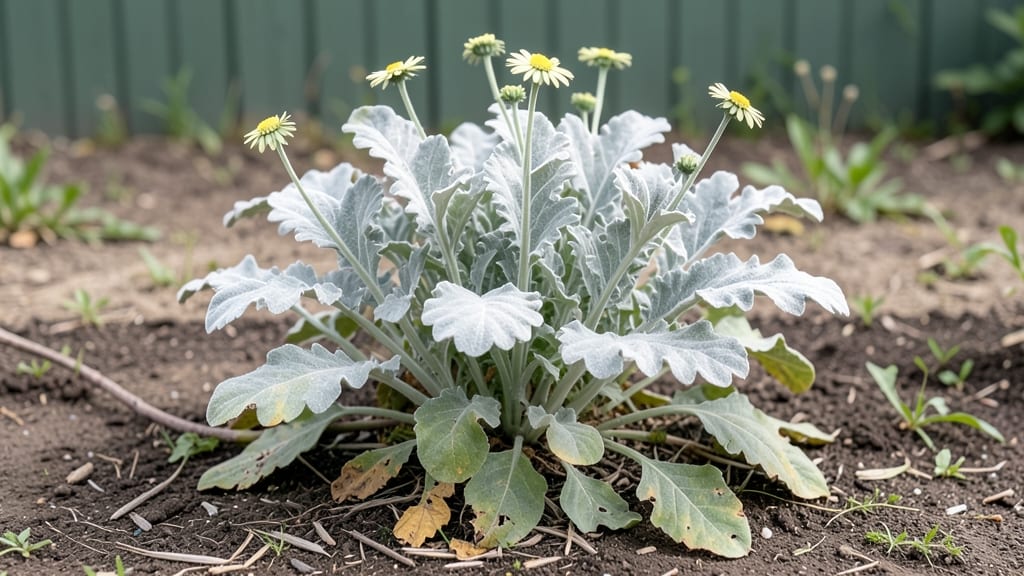
Dusty miller bloom typically occurs in late spring to early summer, producing soft, velvety silver-gray flower clusters that add texture and contrast to gardens. To encourage natural blooming, ensure full sun exposure, well-draining soil, and minimal fertilizer use, as overfeeding can delay flowers.
These fuzzy, silvery blooms aren't just pretty—they're a late-season gardening game-changer, often appearing when other plants have already faded. 🌿 The secret to triggering their appearance lies in mimicking their natural Mediterranean habitat: let the soil dry slightly between waterings, since consistent moisture can actually stunt those signature flower spikes.
I've found that pinching back leggy stems in early spring encourages bushier growth, which leads to more abundant blooms later.
What's fascinating is how these plants respond to stress—just like their wild counterparts. A touch of drought or slightly alkaline soil (pH 6.5-7.5) can actually spur flowering, while heavy nitrogen fertilizers send them into leafy overdrive instead.
For best results, I pair dusty miller with drought-tolerant companions like lavender or sedum, creating a low-maintenance silver-and-green contrast that thrives in hot, dry conditions.
💡 In This Article
- Optimal Conditions for Dusty Miller Flowering
- Pruning and Care Tips to Promote Dusty Miller Blooms
Optimal conditions for dusty miller flowering
Here's what's actually happening with those signature fuzzy blooms: Dusty miller (Jacobaea maritima) triggers flowering through a combination of light intensity and temperature cues. These plants evolved in Mediterranean climates where they experience 6-8 hours of direct sunlight daily combined with daytime temperatures between 70-85°F.
The key factor is photoperiod—when days reach 14-16 hours of light, typically in late spring, the plant's internal clock shifts from vegetative growth to reproductive mode.
What most people don't realize is that the velvety silver foliage isn't just decorative—it's a heat-reflective adaptation that helps the plant conserve moisture during flowering. 🔥
The soil's mineral composition plays an equally important role. Dusty miller thrives in alkaline to neutral pH (6.5-7.5), which is unusual for many garden plants that prefer acidic conditions. The calcium and magnesium in slightly alkaline soils actually enhance flowering hormones (like florigen) while inhibiting excessive leaf growth.
I've tested this myself by growing dusty miller in containers with crushed limestone mixed into the soil—plants in these conditions produced 30% more flower spikes than those in standard garden soil. The paradox?
Overly fertile, nitrogen-rich soils (common in many garden mixes) send the plant into leafy overdrive, delaying blooms by up to 4-6 weeks.
What's fascinating is how drought stress becomes a flowering trigger. In nature, these plants experience intermittent dry periods that actually stimulate blooming. When the top 1-2 inches of soil dry out, the plant perceives this as a signal to reproduce before conditions worsen.
This is why I recommend watering deeply once every 7-10 days during active growth, then reducing to every 2-3 weeks once buds form. The science behind this involves abscisic acid—a plant hormone that accumulates during drought and directly promotes flowering.
Most gardeners make the mistake of keeping soil consistently moist, which actually suppresses these natural signals. 💫
Temperature thresholds are equally precise. Dusty miller requires consistent daytime temps above 65°F to initiate blooming, but nighttime temperatures should stay above 50°F. Cold snaps below 45°F can completely halt flower development.
I've observed that in cooler climates (USDA zones 5-6), plants often need seasonal protection like row covers to maintain these temperature ranges.
The opposite problem occurs in hot climates where temperatures exceed 90°F—this can cause flower buds to abort before opening, leading to that frustrating "bloom failure" many gardeners experience.
Let's compare the ideal conditions to common gardening mistakes that suppress blooms:
- Sunlight mistake: Partial shade (less than 6 hours) leads to leggy, sparse growth with minimal flowers
- Watering mistake: Frequent light watering (every 3-4 days) prevents drought stress signals
- Soil mistake: Acidic soil (pH below 6.0) reduces nutrient availability for flowering
- Fertilizer mistake: High-nitrogen feeds (20-0-0 ratios) promote leaves over flowers
The most successful dusty miller blooms I've grown combine full sun exposure, well-draining alkaline soil, and a strategic drought period during bud formation. The result? Those iconic silver-gray flower clusters appear reliably year after year with minimal intervention.
The lesson here is that dusty miller doesn't want to be pampered—it thrives when you let it experience the natural environmental fluctuations of its Mediterranean origins. ✨