
Pests
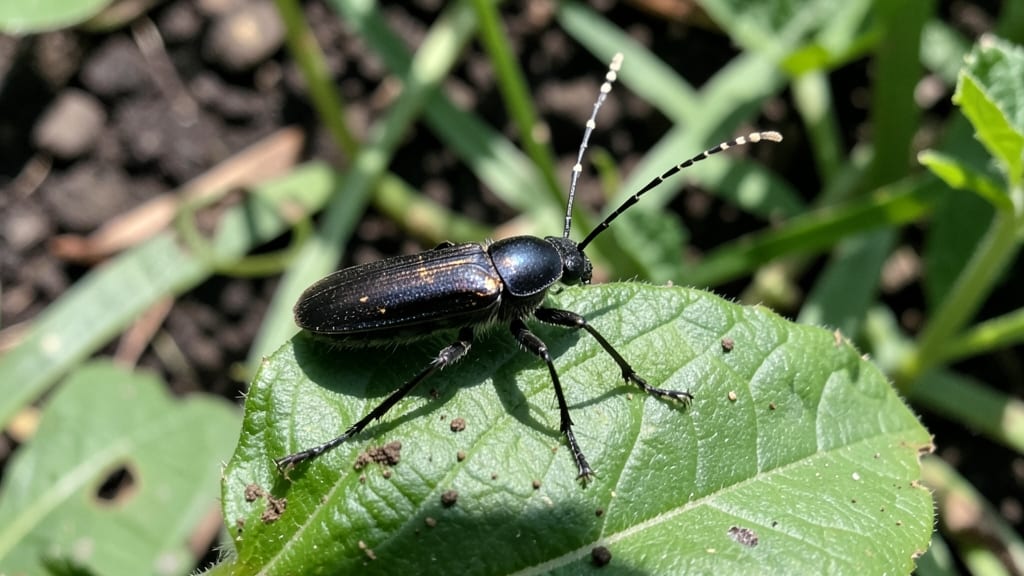
Spotting a flower longhorn beetle in your garden means trouble for your blooms—and fast.
Those striking black-and-orange beetles feasting on your prized Longhorn Beetle Host Plants 🐞 aren’t just eye-catching; they chew through stems and buds like they’re running a buffet.
In USDA Zone 6, spring is their prime season, and if you miss the window, you could wake up to a garden stripped bare. The good news? You can stop them without harsh chemicals.
First, you’ll need to know what to look for—longhorns aren’t your average beetle. Then, we’ll cover the safest ways to remove them, from manual picks to natural predators that do the work for you. No guesswork, just results that protect your plants and the local ecosystem.
Ready to reclaim your garden? Here’s how to spot, trap, and outsmart these pests before they ruin your spring blooms.
How to identify flower longhorn beetles in your garden
Spotting a flower longhorn beetle early can save your garden from significant damage. These pests, often mistaken for harmless ladybugs, have distinctive black bodies with bright orange or yellow markings and extra-long antennae that can be almost as long as their bodies.
Their antennae are a key identifier—no other common garden beetle has antennae this proportionally long.
I first noticed these beetles on my roses and peonies during late spring, when the adults emerge to feed on fresh foliage and flowers. The larval stage is even more destructive, as they bore into wooden stems and branches, weakening plants over time.
If you see small holes or sawdust-like frass near plant stems, larvae may already be active.
Flower longhorn beetles are most active from April to July, with peak activity in May and June. They prefer deciduous trees, shrubs, and flowering plants like roses, lilacs, and fruit trees. Their nocturnal feeding habits mean you’ll rarely see them during the day, making early morning or evening inspections crucial for identification.
Here’s how they differ from other beetles you might encounter in your garden:
| Feature | Flower Longhorn Beetle | Japanese Beetle | Asian Lady Beetle |
|---|---|---|---|
| Body Color | Black with orange/yellow markings | Metallic green with copper wings | Orange with black spots |
| Antennae Length | Very long (nearly body length) | Short, clubbed at tip | Short, 11-segmented |
| Activity Time | Nocturnal (active at dusk/dawn) | Diurnal (active during day) | Diurnal (active during day) |
| Host Plants | Roses, lilacs, fruit trees, shrubs | Roses, grapes, linden trees | Aphids (beneficial predator) |
| Damage Signs | Holes in stems, sawdust-like frass | Chewed leaves, skeletonized foliage | None (harmless to plants) |
| Seasonal Peak | Late spring to early summer | Summer (June-August) | Fall to early spring |
One of the most telling signs of a flower longhorn beetle infestation is the sawdust-like frass near plant stems. This occurs when larvae bore into woody stems or branches, creating tunnels.
Check for small exit holes (about 1/8-inch wide) and weakened or wilted branches, which may snap easily. These beetles also prefer stressed or dying plants, so maintaining healthy garden plants is your first line of defense.
Adults are attracted to brightly colored flowers, especially white, pink, or yellow blooms. If you notice clusters of beetles on flowers at dusk, they’re likely feeding.
Their long antennae help them detect pheromones from other beetles, so you may see groups congregating on favorite host plants like roses or peonies. Use a flashlight at night to spot them—this is when they’re most active.
Another key difference between flower longhorn beetles and similar pests is their flight pattern. These beetles are strong fliers and can cover long distances in a single night.
If you see unusual beetles in your garden that weren’t there yesterday, they could be longhorns arriving from nearby wooded areas. Prune and remove infested branches immediately to prevent further spread.
To confirm your identification, use a magnifying glass to examine the beetle’s antennae and body markings. The elbowed antennae (with a distinct bend) are unique to longhorn beetles.
If you’re still unsure, take a clear photo during the day or night and compare it to online resources or consult a local cooperative extension service for expert advice.
Timing is everything when dealing with these pests. Since adults emerge in late spring, focus your inspections on May and June. Remove any damaged flowers or leaves immediately, as this reduces their food source.
For larval control, monitor plants from summer into fall, as larvae may continue tunneling until winter.
If you’re growing susceptible plants like roses, consider
Safe removal methods: chemical-free solutions for flower longhorn beetles
Flower longhorn beetles may look striking with their black-and-orange stripes, but their larvae can cripple your plants by tunneling into stems and roots. The good news? You can eliminate them without harsh chemicals using targeted, eco-friendly methods.
Start by focusing on manual removal during their most active hours—early morning or late afternoon—when they’re sluggish and easier to catch.
Before diving into solutions, remember that these beetles are beneficial pollinators when in balance. Our goal is to reduce their numbers while preserving the garden’s ecosystem. The key lies in combining physical removal, natural predators, and habitat disruption to break their life cycle.
Let’s explore the most effective, chemical-free strategies to reclaim your garden.
Step-by-Step Removal Guide
-
1Manual Removal: Use a gloved hand or tweezers to pluck adults from flower buds and foliage. Drop them into a soapy water bucket to kill them instantly. Focus on high-risk plants like roses, lilacs, and fruit trees.
-
2DIY Traps: Set up apple cider vinegar traps by mixing 1 part vinegar with 1 part water in a shallow dish. Add a drop of dish soap to break the surface tension. Place traps near infested plants during peak activity (May–July).
-
3Encourage Predators: Attract birds, lizards, and ground beetles by planting native shrubs and installing birdhouses. These natural enemies will feed on larvae and adults, reducing populations organically.
-
4Prune Infested Wood: Cut and remove damaged branches where larvae may be tunneling. Burn or compost in a sealed bin to prevent reinfestation. Prune in early spring before adults emerge.
-
5Organic Repellents: Spray plants with a neem oil solution (1 tbsp neem oil + 1 tsp dish soap per gallon of water) to deter adults. Reapply every 7–10 days during active seasons. Avoid spraying in direct sunlight to prevent leaf burn.
-
6Habitat Modification: Reduce woodpiles and mulch near susceptible plants, as these provide hiding spots for larvae. Replace with gravel or inorganic mulch to create an unwelcoming environment.
Timing is critical when targeting flower longhorn beetles. Adults are most active from May through July, so prioritize removal during these months. For larvae control, focus on spring pruning (March–April) to eliminate overwintering sites. Consistency is key—combine these methods for long-term suppression without disrupting your garden’s balance.
If you notice chewed leaves or sawdust-like frass near the base of plants, larvae may already be established. In such cases, repeat neem oil treatments and increase predator habitats to accelerate natural control. Monitor your garden weekly to catch infestations early and minimize damage to your prized blooms.
By integrating these chemical-free strategies, you’ll protect your garden while supporting local biodiversity. Remember, a healthy garden starts with proactive pest management—not just reactionary fixes. With patience and persistence, you’ll restore harmony to your floral haven. 🌿