
Shrubs
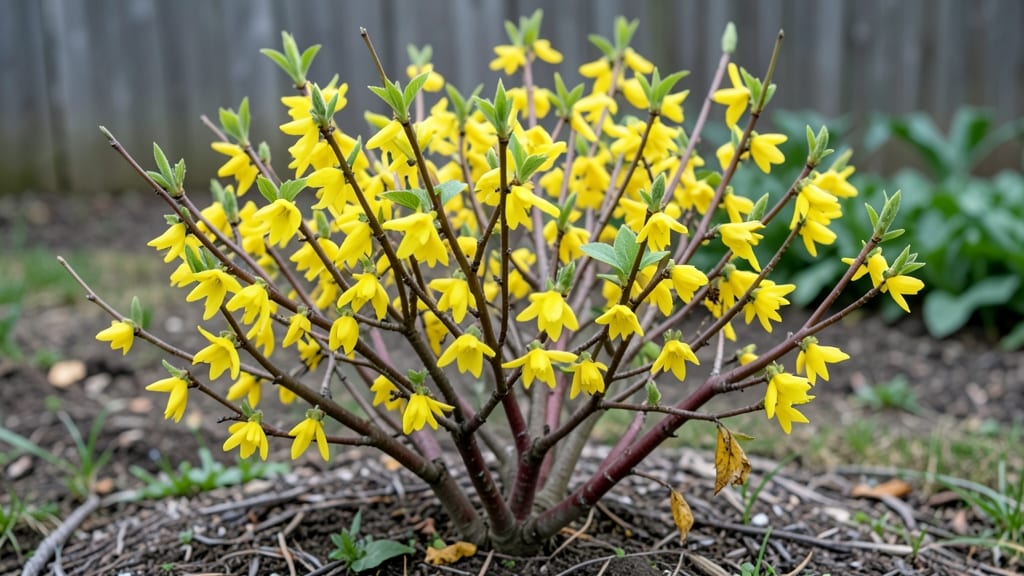
Your forsythia blooming branches 🌸 are nature’s first burst of color—but if they’re not as bold as you’d like, the secret lies in when and how you prune.
Golden forsythia branches bursting with cheerful blooms are a springtime sight—but if you want next year’s display to outshine this year’s, strategic pruning is key. Learn how to transform your forsythia into a flowering powerhouse with these expert techniques.
Most gardeners prune too late, missing the late winter to early spring window when forsythia is still dormant. Cutting at the wrong time can rob you of next year’s blooms entirely, and over-pruning weakens the shrub’s structure.
Below, I’ll walk you through the exact timing, tools, and cuts to maximize vibrant blooms—plus how to avoid the five pruning mistakes that kill flowering potential.
When and how to prune forsythia blooming branches for maximum flowers
Forsythia shrubs light up gardens with their bright yellow blooms every spring, but those glorious displays depend entirely on how—and when—you prune. The key to next year’s show-stopping blooms lies in understanding your forsythia’s natural growth cycle.
Unlike many shrubs, forsythia blooms on old wood, meaning last year’s growth produces this year’s flowers. Cut too late or too aggressively, and you risk sacrificing next season’s vibrant display.
Timing your prune to late winter or early spring (just as buds begin to swell) ensures you’re not removing next year’s flowering branches. This strategic timing also encourages healthier new growth while maintaining the shrub’s natural shape.
With the right tools and techniques, you can transform your forsythia into a flowering powerhouse that steals the show year after year.
Step-by-Step Forsythia Pruning Guide
- 1 Choose the Right Time: Prune late winter to early spring (February–March) when forsythia is dormant but buds are swelling. Avoid pruning after blooms appear, or you’ll cut off next year’s flowers.
- 2 Gather Your Tools: Use sharp bypass pruners for clean cuts, loppers for thicker branches, and gloves to protect your hands. Disinfect tools with rubbing alcohol to prevent disease spread.
- 3 Remove Dead or Weak Wood: Start by cutting out dead branches (no green inside when snapped) and crossing limbs. These don’t contribute to blooms and can crowd the shrub.
- 4 Thin Out Overcrowded Areas: Focus on selective thinning to improve airflow. Remove 1/3 of oldest stems at the base to encourage new growth and more blooms on younger branches.
- 5 Shape the Shrub: Lightly trim outer branches to maintain a balanced shape. Avoid heavy pruning—forsythia responds better to gentle shaping than drastic cuts.
- 6 Clean Up and Fertilize: Remove all pruned debris from the area. After pruning, apply a balanced fertilizer (10-10-10) to support new growth and flower production.
Pruning forsythia isn’t just about cutting back—it’s about encouraging growth in the right places. By removing old, unproductive wood and opening up the shrub’s center, you create an ideal environment for new branches to develop.
These younger stems will produce next year’s brightest blooms, ensuring your forsythia remains a garden standout for decades.
One common misconception is that heavy pruning leads to more flowers. In reality, forsythia responds best to moderate, strategic cuts. Over-pruning can stunt growth and reduce flowering potential.
Aim to remove no more than 25-30% of the shrub’s total volume in a single session. This approach keeps your forsythia healthy, vibrant, and blooming abundantly year after year.
For maximum impact, pair your pruning with proper aftercare. Water deeply after pruning to help the shrub recover, and mulch around the base to retain moisture and regulate soil temperature.
A 2-3 inch layer of mulch also suppresses weeds, reducing competition for nutrients. With the right care, your forsythia will reward you with dazzling spring blooms that brighten up any landscape.
If your forsythia hasn’t bloomed as heavily as you’d like, it might be time to reassess your pruning habits. Start by identifying last year’s growth—these are the branches that produced this year’s flowers.
By preserving some of these older stems while encouraging new growth, you’ll strike the perfect balance for next year’s spectacular display. Remember, patience and consistency are key—forsythia thrives with gentle, regular care rather than drastic changes.
For gardeners in USDA Zones 5-8, late February to early March is the ideal pruning window
Common pruning mistakes that kill forsythia blooms (and how to avoid them)
Forsythia blooms are one of the first bright spots in spring gardens, but poor pruning can turn those golden bursts into sparse, weak displays. The key is understanding when and how to cut—because wrong timing or aggressive pruning can remove next year’s blooming branches before they form.
I’ve seen healthy forsythias turn into bare sticks after just one bad pruning session, and I’m here to help you avoid that fate.
Forsythia blooms on old wood, meaning last year’s branches hold this year’s flowers. Cutting them back too late or too hard can leave your plant looking like a flowerless skeleton.
Even worse, some gardeners accidentally prune away the flower buds that form in late summer—before they’ve even bloomed. Let’s fix that with 5 critical mistakes and how to recover from them.
⚠️ Fatal Mistake: Pruning After Blooms Appear
Forsythia blooms in late winter/early spring, but pruning after this window removes next year’s flower buds that form on old wood. Always prune immediately after blooming (March-April) to preserve blooming branches.
Mistake #1: Pruning too late—after the blooms fade but before new growth starts. This removes the flower buds that develop on last year’s branches. The fix? Mark your calendar for late March to early April, right after the forsythia flowers fade but before leaves emerge.
If you’ve already pruned too late, don’t panic—just focus on light pruning next year to encourage new growth.
Mistake #2: Removing too much old wood. Forsythia blooms on 2- to 4-year-old branches, so cutting back more than 1/3 of the plant at once can leave it flowerless. Instead, remove only dead, crossing, or weak branches and leave the older, thicker stems intact.
Think of it as sculpting—not hacking. For over-pruned plants, feed with balanced fertilizer in spring to stimulate new blooming branches.
Mistake #3: Cutting at the wrong angle. Pruning too close to the trunk or leaving stubs can invite disease and reduce flowering. Always cut just above a bud or branch collar at a 45-degree angle.
Use sharp, clean pruners to avoid tearing the bark. If you’ve left stubs, trim them back now—your forsythia will thank you with more vibrant blooms next spring.
Mistake #4: Ignoring dead or diseased branches. Leaving dead wood or branches with fungal spots weakens the plant and diverts energy from blooming. Remove these immediately, even if it means sacrificing a few blooming branches.
Sterilize your pruners with rubbing alcohol between cuts to prevent spreading disease. A healthy plant = more flowers!
Mistake #5: Skipping pruning entirely. Even if your forsythia looks fine, annual pruning keeps it compact and encourages denser blooms. Without it, branches grow long and leggy, and flowers become sparse.
Aim to prune every 1-2 years, focusing on shaping and thinning rather than drastic cuts. For recovery, apply a slow-release fertilizer in early spring to boost growth.
Pro tip: Take a before/after photo of your forsythia’s pruning session. Compare last year’s blooming branches to this year’s—you’ll see the difference in just a few seasons! With the right cuts, your forsythia will reward you with bold, cheerful blooms for years to come. 🌸