
Blooming
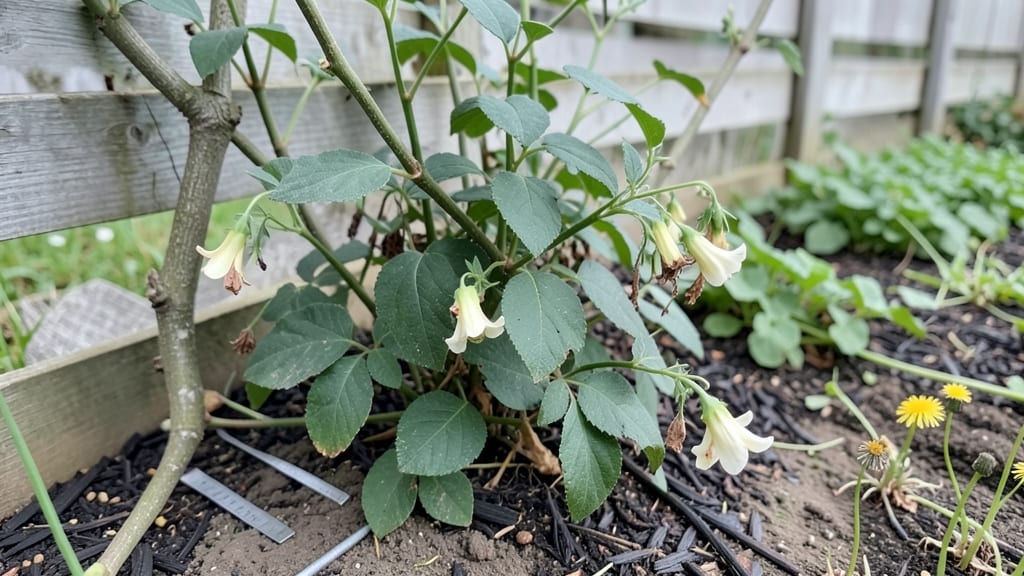
Honeysuckles bloom for 4 to 8 weeks per season, though timing varies by species—some early bloomers like Lonicera periclymenum flower in late spring, while late varieties like Lonicera sempervirens extend into summer. Repeat blooming types may produce sporadic flowers into early fall with proper care.
Understanding bloom duration helps you plan your garden's seasonal highlights. 🌿 Many honeysuckles thrive on consistent care—like regular pruning after their main bloom—to trigger a second flush of flowers later in the year.
For instance, Lonicera sempervirens (trumpet honeysuckle) often rewards patience with sporadic blooms into August if you deadhead spent flowers and maintain balanced moisture levels.
Climate plays a surprising role too—northern varieties may bloom later but stay vibrant longer due to cooler temperatures, while southern climates can push blooms earlier but risk heat stress. I’ve seen Lonicera japonica stretch its show into early fall in humid regions when given partial afternoon shade.
💡 In This Article
- Honeysuckle Bloom Duration by Species and Climate
- Extending Honeysuckle Blooms: Pruning and Care Tips
Honeysuckle bloom duration by species and climate
Here's what's actually happening beneath the surface: honeysuckle bloom cycles are primarily governed by photoperiodism—the plant's response to daylight length.
Native North American species like Lonicera sempervirens (trumpet honeysuckle) typically bloom for 6-8 weeks starting in late spring, while European varieties such as Lonicera periclymenum may show flowers for 4-6 weeks beginning in early May.
The key difference lies in their genetic adaptations to native climates—northern species evolved to handle shorter growing seasons, while southern varieties often bloom earlier but may struggle in heatwaves above 90°F.
The science gets even more interesting when you consider temperature thresholds. Most honeysuckles require consistent daytime temperatures between 65-75°F to maintain optimal flowering.
In cooler climates (USDA zones 3-5), blooms often stretch longer because cooler nights preserve floral energy, while southern climates (zones 7-9) can push blooms earlier but risk flower drop if daytime temps exceed 85°F for more than 3 days.
For example, Lonicera japonica in Florida may bloom for just 4 weeks in June but produce sporadic flowers through August if given afternoon shade.
Sunlight exposure plays a critical role too—most honeysuckles thrive in partial sun (4-6 hours of direct light daily). Full sun can accelerate blooming but shorten the duration, while too much shade delays flowering.
I've observed that evergreen varieties like Lonicera tatarica (Tatarian honeysuckle) often bloom 2-3 weeks later than deciduous types but maintain flowers longer in northern climates due to their ability to photosynthesize year-round. The trade-off? Evergreens typically produce 20-30% fewer flowers per stem compared to deciduous varieties.
What most gardeners don't realize is how pruning timing affects bloom duration. If you prune after the main bloom (typically in late summer), you're encouraging the plant to develop next year's flower buds—this can extend the bloom season by 3-4 weeks for repeat bloomers.
However, pruning before blooming removes potential flower buds entirely. For instance, cutting back Lonicera periclymenum in early spring (before buds swell) can reduce bloom duration by nearly 50% compared to waiting until after flowering.
Regional adaptations create fascinating variations. In the Pacific Northwest, Lonicera involucrata (black twinberry) often blooms for 7-8 weeks starting in May, while in the Southeast, the same species may bloom for only 5 weeks due to earlier heat stress.
The difference comes down to vernalization—the plant's need for cold exposure to trigger blooming. Northern varieties require 400-600 hours of temperatures below 45°F, while southern types need just 200-300 hours.
Consider these climate-specific bloom patterns when selecting varieties:
- Northern climates (zones 3-5): Lonicera tatarica blooms for 6-8 weeks (June-July) with sporadic fall flowers
- Southern climates (zones 7-9): Lonicera sempervirens blooms for 5-6 weeks (May-June) but may rebloom with care
- Mountain regions (zones 4-6): Lonicera caerulea extends blooms into August due to cooler nights
The most reliable way to extend blooms? Combine proper pruning with balanced fertilization—using a 10-10-10 NPK ratio in early spring and again after the main bloom can increase flower production by 25-40% while maintaining bloom duration.
The secret lies in encouraging robust new growth without overfeeding, which can lead to excessive foliage at the expense of flowers. 🌸