
Blooming
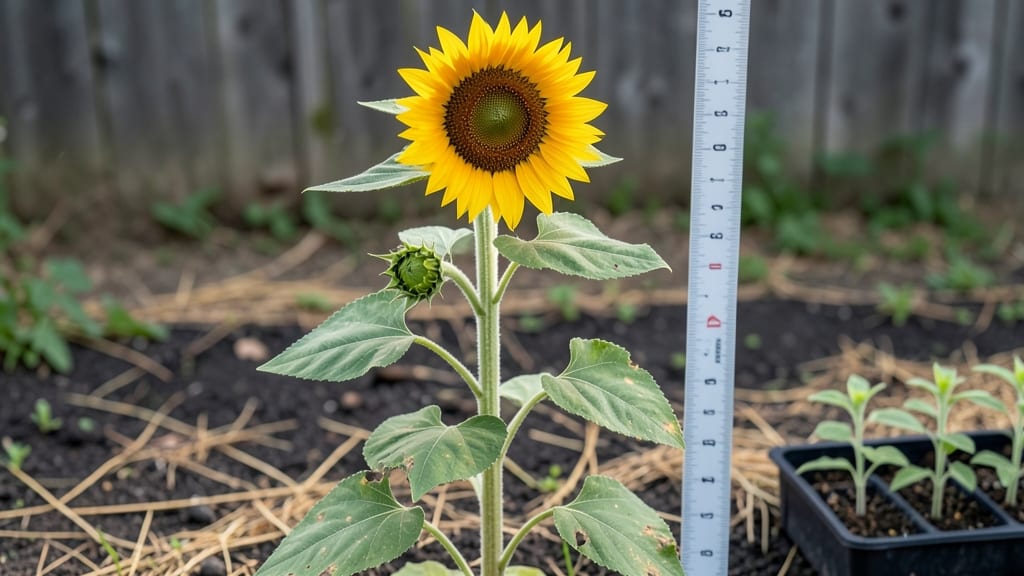
Sunflowers typically take 60 to 90 days to bloom after planting, though dwarf varieties may flower in 45 to 60 days and giant varieties can take 90 to 120 days. Timing depends on seed type, sunlight exposure, soil quality, and temperature, with optimal growth occurring in full sun (6+ hours daily) and well-drained soil.
Sunflower blooming times can vary wildly based on the variety you're growing. 🌻 For instance, popular dwarf types like 'Teddy Bear' often burst into color in as little as 45 days, making them perfect for container gardens or quick seasonal displays, while towering 'Russian Giant' varieties may take up to 120 days to reach their full glory.
The key difference lies in their genetic growth patterns—dwarfs prioritize rapid flowering over height, while giants focus energy on stem development before producing blooms.
Beyond variety, your local climate plays a surprisingly big role. Sunflowers planted in USDA Zone 5 or cooler regions may need an extra 2-3 weeks to mature compared to warmer zones like Zone 8, where consistent sunlight and temperatures above 70°F create ideal conditions.
Even a 10°F temperature drop during critical growth stages can delay blooming by 1-2 weeks, so timing your planting to avoid late frosts is crucial for consistent results.
💡 In This Article
- Sunflower Bloom Time by Variety: Dwarf vs Giant Differences
- Optimizing Sunflower Growth for Faster Blooms
Sunflower bloom time by variety: dwarf vs giant differences
Here's what's actually happening beneath the surface: sunflower varieties follow distinct growth trajectories based on their genetic programming. Dwarf varieties like 'Moulin Rouge' (reaching just 2-3 feet) prioritize rapid flower development, allocating energy to produce blooms within 45-60 days after germination.
Their compact stems require less structural support, allowing them to divert resources to reproductive growth. In contrast, giant varieties such as 'Russian Giant' (growing 10-12 feet) focus first on developing massive stems and leaves before flowering, which is why they take 90-120 days to bloom.
The height difference isn't just about aesthetics—it's a biological trade-off. Tall varieties store energy in their extensive root systems and thick stems, which can weigh 10-20 pounds when mature. This structural investment delays flowering until the plant has established sufficient stability.
Meanwhile, dwarf varieties sacrifice height for speed, producing flowers when their stems are only 1-2 inches thick. This explains why you'll see 'Teddy Bear' sunflowers blooming in containers while 'Mammoth' types still look like saplings.
Seed spacing plays a surprisingly critical role in these timelines. Dwarf varieties planted 12-18 inches apart compete less for sunlight and nutrients, allowing them to reach maturity 2-3 weeks faster than when crowded.
Giant varieties, however, benefit from 24-36 inches of spacing—their towering growth requires room to develop strong stems without bending. In tight spaces, both types may delay flowering by 10-15 days as they compete for resources, demonstrating how physical constraints directly impact biological clocks.
Climate zone adjustments reveal another layer of complexity. In cooler regions (Zones 3-5), sunflowers often experience a 10-14 day delay in blooming compared to warmer zones (Zones 7-9). This occurs because cooler temperatures slow cellular respiration rates by 20-30%, reducing the plant's ability to process nutrients.
For example, 'Autumn Beauty' sunflowers in Zone 5 may bloom 55-65 days after planting, while identical varieties in Zone 8 reach full bloom in 45-55 days. The difference stems from how temperature affects photoperiodism—the plant's internal response to daylight hours.
What most gardeners don't realize is that nighttime temperatures matter just as much as daytime highs. Sunflowers need nights above 55°F to properly metabolize sugars, and drops below 50°F can trigger dormancy-like states that stall growth.
This is why late spring plantings often outperform early ones in northern climates—the soil has more time to warm before the first autumn frosts arrive.
The ideal temperature range for consistent blooming sits between 70-85°F during the day and 55-65°F at night, creating perfect conditions for the plant's flowering hormones to activate.
Consider these key factors when planning your garden layout:
- Dwarf varieties: Plant in 12-inch grids for fastest blooms (45-60 days)
- Medium varieties: Space 18-24 inches apart for 60-80 days to maturity
- Giant varieties: Allow 36-inch spacing for 90-120 days blooming
- Climate adjustment: Add 10-14 days to estimated bloom times in Zones 3-5
The science behind these timelines involves a fascinating hormonal dance. Sunflowers produce gibberellins—plant hormones that regulate growth—differently based on variety. Dwarf types have higher concentrations of these hormones early in development, which accelerates the transition from vegetative to reproductive growth.
Giant varieties, meanwhile, produce more auxins (growth hormones) that promote stem elongation before flowering can begin. This hormonal balance explains why you can't simply "speed up" a giant variety's blooming—it's genetically programmed to follow this two-phase growth pattern. 💫