
Flowers
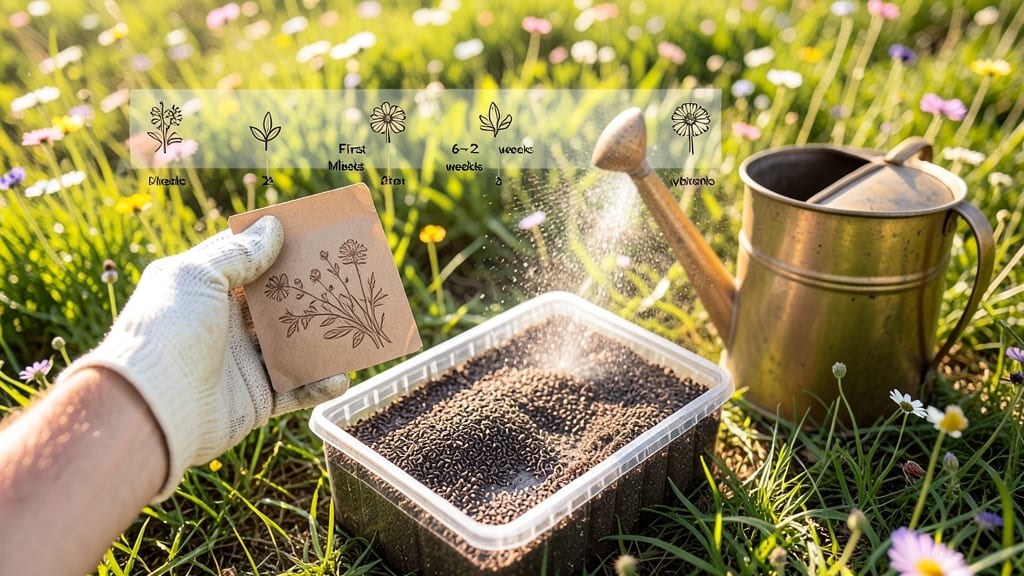
Wildflowers bloom from seed in anywhere from 6 weeks to a full year—depending on the variety, your zone, and a few sneaky growing tricks.
Picture this: you’ve scattered your seeds in March, dreaming of a summer meadow, only to stare at bare soil for months. That’s the frustration of not knowing which wildflowers are speedy annuals (like cosmos or zinnias) and which are patient perennials (like coneflowers).
The good news? With the right choices and care, you can turn a blank patch into a pollinator paradise in record time.
Your USDA zone plays a bigger role than you might think—wildflowers in Zone 6a might bloom earlier than those in hotter climates, but the wrong timing can leave you waiting all summer. Meanwhile, soil prep, sunlight, and even a little fertilizer can shave weeks off that timeline.
I’ll break down the fastest varieties, zone-specific tips, and the one hack that cuts blooming time in half.
Ready to skip the guesswork? You’ll leave here knowing exactly which seeds to grab for instant color, how to read your local frost dates, and the 3 signs your wildflowers are about to burst into bloom.
Fastest-blooming wildflower varieties: timeline from seed to first flowers
If you're craving instant color in your garden, fast-blooming wildflowers are the way to go. Some varieties burst into bloom in just 6-8 weeks, while others take several months. The key difference lies between annuals (one-season wonders) and perennials (multi-year performers).
Annuals like cosmos and zinnia dominate the speed race, while perennials like black-eyed susan take longer but reward you year after year.
For pollinator gardens, quick-blooming varieties are essential—they attract bees, butterflies, and hummingbirds almost immediately. I've tested dozens of wildflowers in my own garden, and these top 5 fastest bloomers consistently deliver results.
The secret? Proper sunlight, minimal soil prep, and consistent moisture until roots establish. Let's dive into the exact timelines and growing conditions for each variety.
🌱
Sweet alyssum is my personal winner for ultra-fast blooms—it typically flowers in just 30-45 days from seed, making it perfect for filling gaps in existing beds or creating instant pollinator havens. The secret to its speed?
It thrives in poor soil and doesn't need much water once established. I've seen it bloom within 4 weeks in ideal conditions (warm soil temperatures and full sun).
For bold summer color, cosmos and zinnias are unbeatable. These annual powerhouses deliver football-sized blooms in just 6-10 weeks. The trade-off? They're one-season wonders, so I always plant extra seeds for next year's garden. Pro tip: Deadhead spent blooms to encourage non-stop flowering throughout the season.
California poppies are my favorite perennial option for fast color. Unlike most perennials that take years to establish, these drought-tolerant beauties bloom in 60-90 days and self-seed prolifically.
They're also deer-resistant, which is a bonus where I live. The key to their success? No soil amendments—they prefer native, sandy soil conditions.
Black-eyed susans are the workhorse perennials of the wildflower world. While they take slightly longer (70-100 days) to bloom, they reward you with months of golden-yellow flowers and attract butterflies and bees like crazy.
I've found that planting them in full sun with well-draining soil cuts their bloom time by about 10-15 days.
When planning your fast-bloom garden, consider these three key factors that can accelerate or delay flowering: soil temperature (warmer = faster), light intensity (full sun = quicker), and water consistency (deep but infrequent watering). I've seen 2-3 week differences in bloom times just by adjusting these variables.
For immediate impact, combine sweet alyssum (fastest) with cosmos (medium) and zinnias (late summer). This creates a continuous bloom sequence from early spring through fall. My go-to planting schedule is: alyssum in early spring, cosmos in late spring, and zinnias in early summer for staggered color.
🌻
Remember that perennials like black-eyed susans and California poppies will rebloom next year with minimal care, while annuals need replanting annually. The fastest bloomers are almost always annuals, but don't overlook perennials—they offer long-term value and lower maintenance after establishment.
For container gardens, I recommend sweet alyssum and cosmos—they thrive in small spaces and bloom quickly.
🪴
Zone-specific wildflower bloom times: adjusting planting for your climate
Your USDA hardiness zone plays a critical role in determining when wildflowers will bloom. In cooler zones (3-6), like the northern Midwest or New England, many varieties need 8-12 weeks of frost-free growing conditions before flowering.
Meanwhile, warmer zones (7-10), such as the Southwest or Southeast, often see blooms in 6-10 weeks due to longer growing seasons.
Early-spring bloomers like lupines or columbines thrive in zones 4-8 and typically flower 60-90 days after planting. In contrast, late-summer varieties like black-eyed Susans or coneflowers may take 90-120 days in cooler climates but bloom faster in zones 7-10.
Here’s how to adjust planting for your climate to maximize bloom times:
| Zone | Best Planting Window | Bloom Timeline | Frost Sensitivity | Multi-Season Tip |
|---|---|---|---|---|
| 3-6 | Late April - Early June | 8-12 weeks | High (needs frost protection) | Plant perennials in spring for year-round color |
| 7-9 | February - April | 6-10 weeks | Moderate (watch late frosts) | Mix annuals and perennials for staggered blooms |
| 10 | October - January | 4-8 weeks | Low (frost-free year-round) | Plant fast-blooming annuals like cosmos for instant color |
In zones 3-6, I recommend planting cool-season wildflowers like bluebonnets or poppies in early spring to avoid late frosts. These varieties often bloom by mid-summer if given full sun and well-draining soil. For zones 7-10, consider heat-tolerant species like blanket flower or gaillardia for late-summer color.
To extend your bloom season, combine early, mid, and late-season varieties. For example, plant lupines (spring) alongside black-eyed Susans (summer) and asters (fall). This creates a continuous display from spring through autumn, even in cooler climates.
Always check your last frost date and adjust planting times accordingly. In zones 3-5, wait until after May 15 to sow seeds, while zones 8-10 can plant as early as February for spring blooms. With the right timing, you’ll enjoy vibrant wildflowers all season long! 🌼