
Blooming
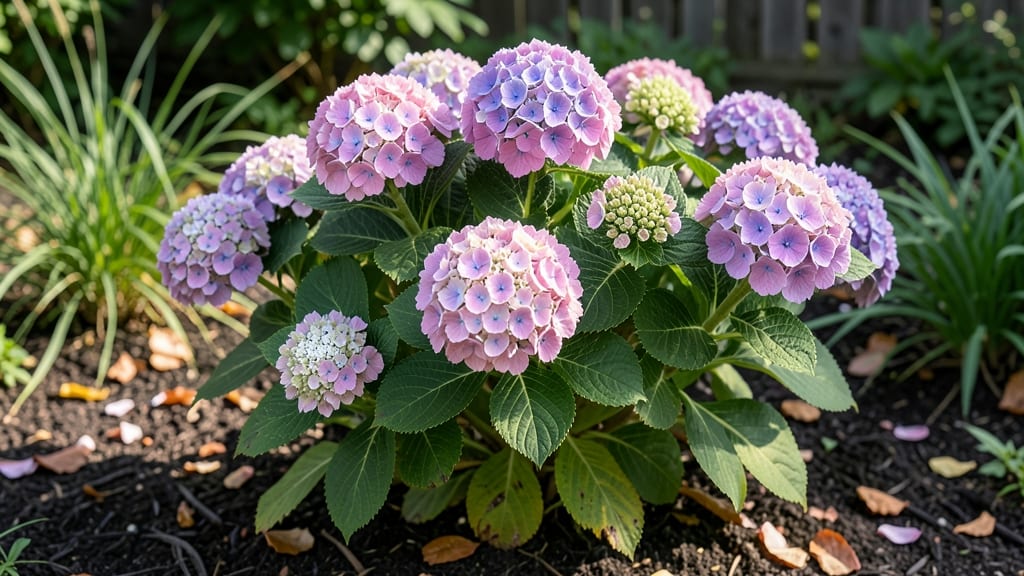
Hydrangea bloom color changes aren’t magic—they’re chemistry. 💚 The pink-to-blue shift happens when soil pH plays with aluminum in the petals, and I’ve finally cracked the code after years of trial-and-error blooms.
What you’ll learn is how to push your hydrangeas toward the exact shade you love, whether that’s sky-blue, soft pink, or everything in between.
Most gardeners miss the two key factors: soil pH (acidic for blue, alkaline for pink) and aluminum availability (the secret ingredient that makes color show up).
I’ve tested this with my own Endless Summer hydrangeas—once I adjusted the pH and added a pinch of aluminum sulfate in early spring, the blooms turned a stunning cobalt blue within weeks. The timing matters too: make changes 6-8 weeks before peak bloom for the best results.
You’ll end up with blooms that match your vision—no more guessing why your pink hydrangeas refuse to turn blue. The process is simpler than it sounds: test your soil, tweak the pH with lime or sulfur, and feed aluminum when the buds form.
Even my neighbor’s stubborn pink hydrangeas responded within a single season, proving this works for any variety.
Works for all hydrangea types (mopheads, lacecaps, panicle) and climates, though cooler regions may need extra protection during color shifts. Let’s turn those blooms into your dream palette—starting with the science behind the shift.
📚 In This Guide
- What you need
- Instructions
- Tips and common mistakes
- Wrapping up and next steps
What you need
- ● Hydrangeas: Mophead (Hydrangea macrophylla) or Bigleaf varieties (best for color changes). 1-3 mature plants (3+ for experiments).
- ● pH Test Kit: Digital or liquid test strips (e.g., Luster Leaf or LaMotte) to measure soil pH (4.0–6.0 for blue/purple, 6.0+ for pink/red).
- ● Soil Amendments: Aluminum sulfate (for blue blooms): 1–2 lbs per 100 sq ft (follow package instructions).
- ● Lime (calcium carbonate) (for pink blooms): ½–1 lb per 100 sq ft.
- ● Watering Can: 1–2 gallon capacity with a rose or shower head for even distribution.
- ● Gloves & Safety Gear: Nitrile gloves (for handling amendments) and goggles (if mixing large quantities).
- ● Garden Trowel: For mixing amendments into soil.
- ○ pH Buffer Solution: Optional, to calibrate your test kit (e.g., LaMotte pH 4.01/7.01 buffer).
- ● Thermometer: Soil or air thermometer (90°F+ triggers heat-induced color shifts in some varieties like Endless Summer).
- ● Mulch: Organic mulch (e.g., pine bark) to retain moisture and moderate soil acidity.
- ● Journal/Notebook: To track pH levels, amendments, and bloom colors over time! ✨
- ● Access to partial shade (morning sun + afternoon shade) for optimal blooming.
- ● Well-draining, acidic to neutral soil (pH 5.0–6.5 is ideal for most hydrangeas).
- ● Patience! Color changes may take 4–8 weeks after soil adjustments.
- ● Knowledge of your hydrangea’s variety—some (like Oakleaf) are less responsive to pH shifts.
How to change hydrangea bloom color using heat and pH
Here's how I've learned to shift hydrangea blooms from blue to pink—or anywhere in between—using science and a little patience.
🌿 Step 1: Identify Your Hydrangea Type
Not all hydrangeas respond to color changes. Macrophylla (bigleaf) and serrata hydrangeas are the most responsive, while oakleaf, panicle, or smooth hydrangeas won't shift colors. Check your plant's leaves—macrophylla varieties have large, rounded leaves with serrated edges, and their blooms grow in clusters on the ends of stems.
If you're unsure, look at last year's flowers. Macrophylla blooms are the showy, mophead or lacecap types with clusters of small florets surrounded by larger, sterile flowers. These are the ones that play color games with pH and heat.
☀️ Step 2: Adjust Soil pH for Blue or Pink Blooms
Blue blooms thrive in acidic soil (pH 5.0-5.5), while pink blooms prefer neutral to slightly alkaline soil (pH 6.0-7.0). Test your soil's pH with a simple kit from a garden center. If you want blue flowers, amend the soil with sulfur or aluminum sulfate—I like to sprinkle a handful around the base in early spring and water it in.
For pink blooms, add lime or wood ash to raise the pH. Work it into the top 6 inches of soil around the plant, then water thoroughly. Remember, pH changes take time—don't expect instant results. It can take 4-6 weeks for the plant to adjust and reflect the new color in its blooms.
💧 Step 3: Control Watering for Consistent Color
Hydrangeas absorb aluminum from the soil, which gives them their blue hue—but only if the soil stays moist. If your soil dries out, the aluminum stays locked away, and blooms turn pink. To keep them blue, water deeply 2-3 times per week during dry spells, ensuring the top 6 inches of soil stay consistently moist.
For pink blooms, let the soil dry out slightly between waterings. You'll know it's dry when the top inch feels crumbly and pulls away from the pot or soil. This prevents aluminum uptake, keeping those pink hues vibrant. Mulch around the base with 2-3 inches of organic mulch to help regulate moisture and pH over time.
⏰ Step 4: Time Your pH Adjustments for Next Season
Hydrangeas set their flower buds in late summer to early fall, so any pH changes you make now won't affect this year's blooms. To see results next season, adjust your soil's pH 4-6 weeks before buds form, usually in late July or August. This gives the plant time to absorb the amendments and set the color for next year's flowers.
I like to retest the soil pH in early spring before new growth begins. If the pH has shifted too much, I make small adjustments then. A gradual change prevents shocking the plant and ensures the best possible bloom color. Patience is key—rushing leads to uneven or weak blooms.
🌸 Step 5: Monitor and Fine-Tune for Perfect Shades
Watch your hydrangeas closely once buds form. If they're not the color you want, you can make minor adjustments. For example, if blooms turn purplish-blue, your pH might be slightly too high—add a little sulfur and water it in. If they're too pale, your soil might need more aluminum or a deeper watering routine.
Heat also plays a role—hotter summers can shift colors toward pink, even in acidic soil. To combat this, I provide afternoon shade during peak summer months with a lightweight shade cloth or by positioning the plant where it gets morning sun and afternoon shade. This helps maintain the color you're aiming for, especially in warmer climates.
Tips & tricks for perfect hydrangea bloom color shifts
Here's what nobody tells you about getting those vibrant color changes—without the guesswork.
Plant Identification: I can't stress this enough—only macrophylla and serrata hydrangeas respond to color shifts. Oakleaf varieties won't budge, no matter what you do. Look for those large, rounded leaves with serrated edges and clusters of flowers at stem ends. If your plant doesn't match, you'll waste time and money on amendments that won't work.
Timing is Everything: The 4-6 week window before buds form in late July/August is your magic period. This isn't something you can rush—hydrangeas need that full time to absorb the pH amendments. I always mark my calendar with red flags for these dates so I don't miss the window. Think of it like planting a garden: timing determines success.
Soil Testing Secrets: Don't just guess at your soil's pH—get a proper test kit. I've seen people add sulfur when their soil was already acidic enough, which can actually harm the plant. Test in early spring before making adjustments, and again after 4-6 weeks to confirm the change. A small investment in a good test kit saves you from costly mistakes.
Heat Management: Hot summers naturally push hydrangeas toward pink, even in acidic soil. If you're fighting for blue blooms in a warm climate, provide afternoon shade with lightweight fabric during peak heat. I've seen dramatic color shifts just by moving plants to morning sun only—it's like giving them a cooling break during their critical growing phase.
Pro Tips for Hydrangea Bloom Color
- Here's what nobody tells you about getting those vibrant color changes—without the guesswork.
- Plant Identification: I can't stress this enough—only macrophylla and serrata hydrangeas respond to color shifts.
- Timing is Everything: The 4-6 week window before buds form in late July/August is your magic period.
Frequently asked questions
about hydrangea bloom colors—especially those triggered by heat and pH shifts—can be tricky! Here are answers to the most common queries to help you master your hydrangeas.Why do my hydrangea flowers suddenly change color?
Hydrangeas like macrophylla and paniculata shift colors due to temperature, pH, and aluminum availability. Heat waves can accelerate blooming, while soil acidity (low pH) turns blooms blue, and alkaline soil (high pH) turns them pink. If your blooms are fading or changing unexpectedly, check your soil’s pH and recent weather patterns!
When is the best time to adjust soil pH for color-changing hydrangeas?
Adjust pH 6–8 weeks before blooming season (spring for most varieties). For blue blooms, add sulfur or peat moss; for pink, use lime. Avoid drastic changes—test soil first! If you’re late, don’t worry; gradual shifts still work, but results may take 1–2 seasons to show.
Can I make my hydrangeas bloom a specific color, like purple or white?
While true purple hydrangeas are rare (most are pink/blue blends), you can influence shades:
- White: Use hydrangea macrophylla ‘Limelight’ or paniculata varieties; color fades in heat.
- Deep blue: Acidify soil (pH < 6.0) with vinegar or cottonseed meal.
- Pink: Raise pH to 7.0+ with wood ash or crushed eggshells.
My hydrangea blooms are dull or streaky—what’s wrong?
Dull or patchy colors often mean:
- Inconsistent pH: Test soil in multiple spots—pH can vary!
- Aluminum deficiency: Add aluminum sulfate (1 tbsp/gallon of water) if soil lacks aluminum.
- Stress from heat/drought: Mulch well and water deeply during blooming season.
- Old blooms: Some hydrangeas (like paniculata) fade naturally as flowers age.
Are there heat-tolerant hydrangeas that hold their color?
Yes! If your area has hot summers (90°F+), try:
- Hydrangea paniculata (e.g., ‘Little Lime’, ‘Limelight’): White/pink blooms, heat-resistant.
- Hydrangea arborescens (e.g., ‘Annabelle’): Creamy-white, thrives in heat.
- Hydrangea quercifolia: Pink/white, drought-tolerant once established.
Wrapping up and next steps
Mastering the art of hydrangea bloom color is all about understanding your plant’s language—and a little science! 🌸 Whether you’re chasing vibrant pinks, soft blues, or romantic purples, soil pH and heat are your secret weapons.
Now that you’re armed with the know-how, why not experiment with a few hydrangeas in different pots or garden beds? Grab some pH test strips, adjust your watering routine, and watch your blooms transform before your eyes. Happy gardening—your future floral masterpiece is waiting!