
Flowers
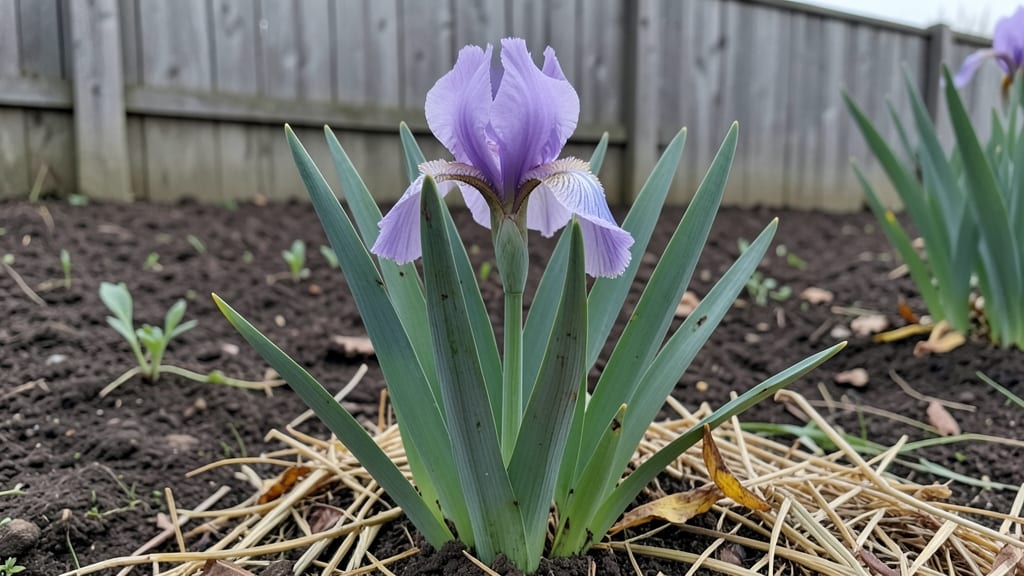
Growing an iris flower plant 🌸 means unlocking those bold, velvety blooms that turn heads in every garden.
The iris flower plant isn’t just a garden staple—it’s a showstopper with dramatic blooms that can transform any outdoor space into a masterpiece. But did you know the right variety and soil conditions can make the difference between lackluster stems and vibrant, long-lasting flowers?
If you’re in USDA Zone 6a, timing matters: plant rhizomes in early spring, when the soil is workable but before the heat sets in. The secret to those show-stopping blooms lies in well-draining soil and full sun, but even the hardiest irises need a little extra care to thrive.
In this guide, I’ll walk you through choosing the perfect variety, prepping soil like a pro, and keeping your irises blooming year after year—no green thumb required.
12 Stunning iris flower varieties for every garden style
Irises are nature’s masterpiece, offering bold colors and dramatic shapes that elevate any garden. Whether you crave romantic cottage charm or modern minimalist elegance, there’s an iris variety perfect for your space.
The key lies in matching your garden’s style, climate, and maintenance preferences—and we’re here to guide you through the best options.
From classic bearded irises that thrive in full sun to delicate Siberian irises perfect for woodland gardens, each type brings unique bloom seasons and color palettes.
Let’s explore the top 12 varieties that will make your garden the talk of the neighborhood, along with their ideal growing conditions and standout features.
| Variety | Color Palette | Bloom Season | Height | USDA Zones | Best For |
|---|---|---|---|---|---|
| Bearded Iris | Purple, blue, yellow, white, bicolor | Late spring to early summer | 2-3 ft | 3-9 | Full sun gardens, borders |
| Siberian Iris | Blue, purple, white, lavender | Mid to late spring | 1.5-2.5 ft | 3-8 | Woodland gardens, partial shade |
| Japanese Iris | Purple, white, pink, deep blue | Late spring to summer | 1.5-3 ft | 5-9 | Moisture-rich areas, ponds |
| Dwarf Iris | Yellow, purple, white, orange | Spring to early summer | 6-12 in | 4-9 | Rock gardens, containers |
| Louisiana Iris | Purple, white, pink, violet | Summer to early fall | 3-5 ft | 6-10 | Swamps, bog gardens |
| Arilbred Iris | Multi-colored, exotic patterns | Late spring | 2-3 ft | 4-9 | Unique color lovers, borders |
| English Iris | Purple, white, yellow, pink | Early to mid spring | 1.5-2.5 ft | 3-8 | Cottage gardens, early bloomers |
| Spuria Iris | Yellow, white, purple | Late spring to summer | 2-4 ft | 4-8 | Wildflower meadows, borders |
| Crested Iris | Purple, blue, white, yellow | Late spring | 1.5-2.5 ft | 5-9 | Dramatic foliage, borders |
| Japanese Rock Iris | Purple, white, pink | Spring | 8-12 in | 5-8 | Rock gardens, containers |
| Iris germanica | Blue, purple, white, yellow | Late spring to summer | 2-3 ft | 3-9 | Classic perennial borders |
| Iris lactea | White, pale yellow | Spring | 1-2 ft | 4-9 | Woodland edges, shade gardens |
If you’re dreaming of a vibrant spring display, bearded irises are the classic choice. These hardy perennials offer hundreds of color combinations, from deep purples to sunny yellows, and thrive in full sun with well-draining soil.
Plant them in USDA zones 3-9 for year-after-year blooms that demand minimal care once established.
Siberian irises steal the show in woodland gardens or partial shade areas, where their elegant, slender blooms add height and texture. Unlike their bearded cousins, these irises prefer moist, humus-rich soil and cooler climates, making them perfect for zones 3-8. Their blue and purple hues create a serene, almost ethereal atmosphere.
For a tropical or moisture-loving garden, Japanese irises are a game-changer. These bold, architectural blooms thrive in wet soil and humid climates, making them ideal for pond edges or bog gardens.
Their late spring to summer bloom season extends your garden’s color palette when other irises have faded. Plant them in zones 5-9 for maximum impact.
Looking for low-maintenance charm? Dwarf irises are perfect for rock gardens, containers, or front-of-border plantings. These compact beauties
The ultimate guide to soil for irises: pH, texture, and drainage secrets
Irises demand the right soil conditions to deliver their signature bold, show-stopping blooms. While they’re famously low-maintenance, even these hardy plants need well-prepared soil to thrive. The secret lies in balancing pH levels, texture, and drainage—three factors that directly impact root health and flower production.
Without proper soil prep, you might end up with stunted growth or weak stems instead of the vibrant displays you crave.
Start by testing your soil’s pH balance, which should ideally fall between 6.0 and 7.5 for most iris varieties. Too acidic or alkaline, and your plants may struggle to absorb essential nutrients like phosphorus and iron.
Next, focus on creating a loose, gritty texture that mimics their natural habitat in meadows and riverbanks. Heavy clay or compacted soil will suffocate iris roots, leading to rot or poor blooming. Finally, ensure excellent drainage—waterlogged conditions are the fastest way to kill irises, even in drought-tolerant varieties.
⚠️ Deadly Mistake Alert: Overwatering Irises
Irises hate soggy soil—their rhizomes rot within 48 hours of constant moisture. Many gardeners accidentally drown them by planting too deep or amending soil with too much organic matter. Solution: Plant rhizomes with the top 1/3 exposed and amend soil with sand or perlite (never peat moss) to improve drainage.
To prepare your soil, begin with a basic soil test kit (available at garden centers for under $10). If your pH is off, adjust it gradually: Lime raises pH (for acidic soil), while sulfur lowers it (for alkaline soil).
For texture, mix in coarse sand or grit to break up clay, and add compost for nutrients—but avoid heavy amendments like leaf mold, which can compact soil. A simple 50/50 mix of garden soil and gritty sand works wonders for most gardeners.
Drainage is where many iris failures begin. If your garden has clay-heavy soil, consider planting irises in a raised bed with a gravel base or on a slight mound. For containers, use a mix of 50% potting soil, 30% perlite, and 20% coarse sand.
Always include drainage holes in pots—irises will send up yellow leaves within days if they’re waterlogged. Pro tip: After planting, water deeply once, then let the soil dry slightly before watering again to encourage strong root development.
One of the most overlooked soil secrets for irises is mulching correctly. While mulch helps retain moisture, never pile it against the rhizomes—this can trap moisture and cause rot.
Instead, apply a 1-2 inch layer of mulch around the base, keeping it 2 inches away from the rhizome tops. Organic mulches like straw or shredded bark work best, but avoid wood chips, which can acidify soil over time.
In regions with freezing winters, add an extra layer of mulch after the first frost to protect rhizomes.
Finally, monitor your irises’ soil needs yearly. After 3-4 years, their rhizomes may outgrow their space, and the soil around them can become depleted. This is your cue to divide and refresh the planting area.
Dig up rhizomes in early summer, discard any mushy or rotted ones, and replant in fresh, amended soil. This simple step can revitalize blooms and prevent disease buildup.
With the right soil foundation, your irises will reward you with years of dramatic, healthy blooms—and who wouldn’t want that in their garden?