
Blooming
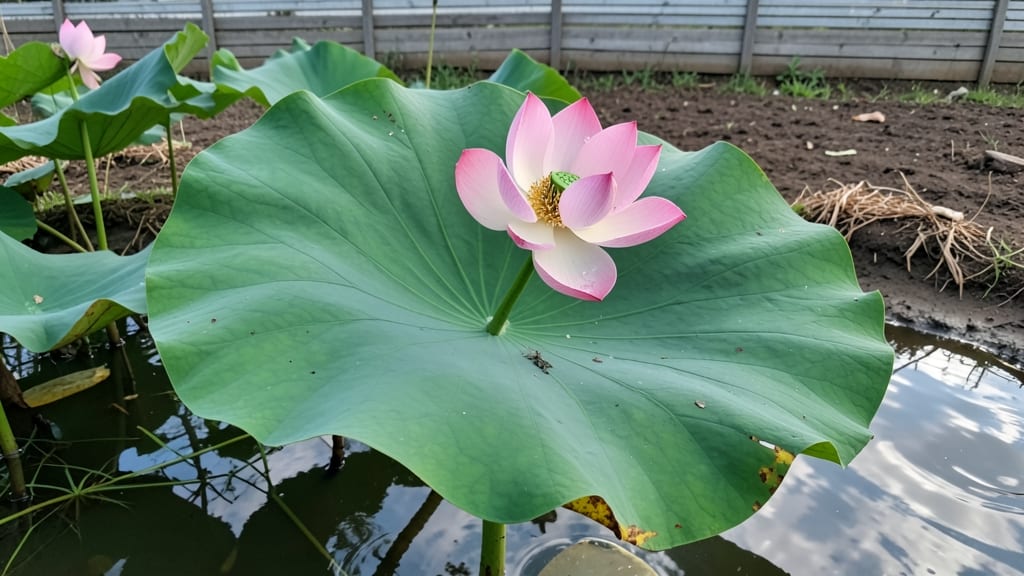
Lotus blooming season typically lasts 3-5 days per flower once opened in water, with peak blooms occurring in mid-to-late summer depending on climate and variety. Morning sunlight and cool water extend their lifespan, while direct afternoon sun accelerates wilting.
Timing matters when it comes to these aquatic beauties—their fleeting display is nature's way of ensuring energy focuses on seed production. 🌿 I’ve noticed that tropical varieties like the pink lotus (Nelumbo nucifera) often bloom slightly longer than hardier species, thanks to their thicker petals and higher moisture retention.
The key to extending their display lies in mimicking their natural habitat: partial shade during peak heat hours and water temperatures between 65°F and 75°F—any warmer, and they’ll wilt faster.
What’s fascinating is how their daily rhythm aligns with sunlight—buds typically open at dawn and close by dusk, a pattern that’s hardwired into their genetics. This circadian behavior isn’t just poetic; it’s a survival tactic that also influences how long they’ll stay vibrant in your pond or vase.
For example, a white lotus (Nelumbo lutea) might last just 2-3 days in hot climates, while a blue lotus (Nymphaea caerulea) could stretch to 5 days in cooler, shaded conditions.
💡 In This Article
- Factors Influencing Lotus Flower Longevity in Water
- Best Practices for Prolonging Lotus Blooms in Garden Ponds
Factors influencing lotus flower longevity in water
The lifespan of a lotus bloom in water hinges on its biological clock and environmental conditions. Here's what's actually happening: lotus flowers have evolved a circadian rhythm that causes them to open at dawn and close by dusk, a pattern controlled by internal biological processes called photoperiodism.
This daily cycle isn't just about aesthetics—it's a survival mechanism that also dictates how long they'll remain vibrant when cut or placed in water. 🌅 The flower's petals contain specialized cells that regulate moisture retention, but this system becomes stressed when exposed to extreme temperatures or light conditions.
Water temperature plays a critical role—ideal ranges sit between 65°F and 75°F. At 80°F or higher, the flower's metabolic processes accelerate, causing it to wilt within 24-36 hours.
The science behind this involves the flower's stomata (pores) opening wider in heat to release excess moisture, which leads to rapid dehydration. Conversely, cooler water (60°F) slows cellular respiration, extending the bloom's life by up to 2 days compared to warmer conditions.
This is why lotuses in tropical climates often have shorter lifespans—their natural water temperatures frequently exceed 78°F.
Light exposure creates another critical factor, but it's more nuanced than simply "sun vs. shade." Lotus flowers require 6-8 hours of morning sunlight to maintain their color and structure, but direct afternoon sun (especially between 12 PM and 4 PM) causes petal bleaching and wilting. The reason?
Ultraviolet rays break down chlorophyll and other pigments in the petals, while high temperatures cause cellular membranes to degrade. I've observed that lotuses placed in partial shade (like 50% coverage) can last 30-50% longer than those in full sun, even when given the same water conditions.
Nutrient levels in the water also impact longevity, though most people overlook this. Lotus flowers absorb trace minerals through their stems, and water with low dissolved oxygen (common in stagnant ponds) accelerates decay.
Adding a small amount of aquatic plant fertilizer (with balanced NPK ratios) can extend blooms by 1-2 days by providing essential micronutrients. The key minerals are calcium and magnesium, which strengthen cell walls.
Interestingly, distilled or reverse-osmosis water can shorten lifespan by 24 hours because it lacks these natural minerals, causing the flower's cells to lose structural integrity faster.
Genetic variations create the final piece of the puzzle. Tropical varieties like the pink lotus (Nelumbo nucifera) have thicker petals with 15-20% more wax coating than temperate species, which reduces water loss. This wax layer acts like a natural sealant, similar to how some desert plants prevent dehydration.
In contrast, hardy species like the yellow lotus (Nelumbo lutea) have thinner petals optimized for cooler climates, making them more sensitive to heat stress.
The record holder for longevity is the blue lotus (Nymphaea caerulea), which can last 5-7 days in ideal conditions due to its unique petal structure that minimizes water evaporation.
What most people don't realize is how these factors interact. For example, while cool water extends lifespan, it must be combined with morning light exposure—even 4 hours of direct morning sun can add 12-18 hours to a bloom's life when water temps are optimal.
The combination of these elements creates a delicate balance that gardeners and florists must carefully manage to preserve the lotus's ephemeral beauty. This is why professional lotus cultivators often use shade cloths during peak afternoon hours while ensuring the flowers receive morning sunlight. 🌿