
Blooming
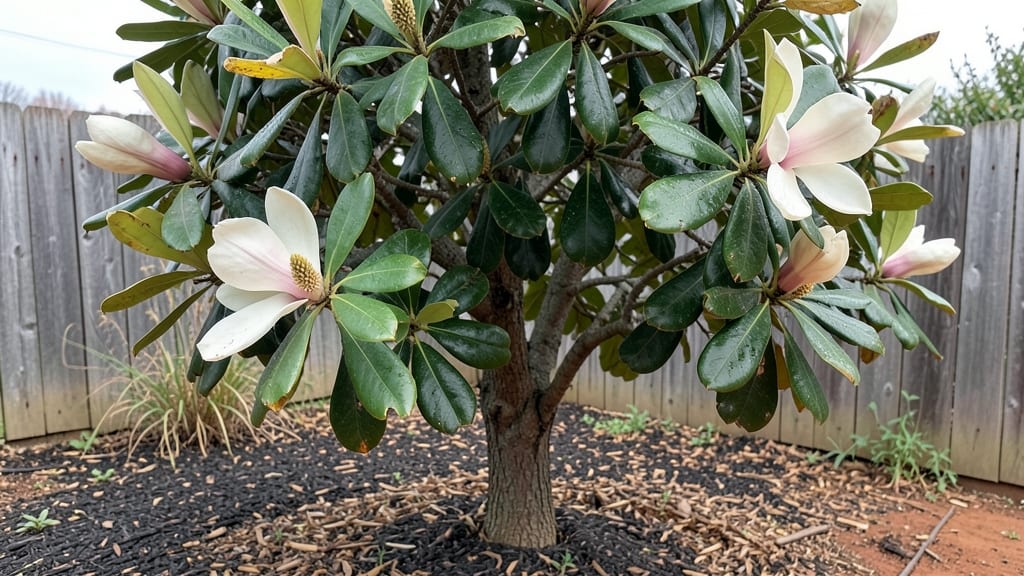
Magnolia blooms typically between late winter and early spring, though exact timing varies by species—Southern magnolias bloom in late winter, while star magnolias may flower as early as January or as late as March. USDA hardiness zones 6-9 are ideal for most varieties, with blooming influenced by chill hours and climate conditions.
Timing isn't just about the calendar—it's a dance between nature and your local climate. 🌸 For example, saucer magnolias often bloom in early spring, while sweetbay magnolias prefer milder winters and may wait until late spring.
Even within the same zone, a sheltered garden spot can push blooms earlier by 1-2 weeks compared to exposed areas.
What’s fascinating is how chill hours—those 300-900 hours below 45°F—act like a biological countdown. Southern varieties need fewer chill hours, so they bloom sooner, while northern varieties might wait until late spring to ensure survival.
This is why your zone 7 star magnolia could flower in January, while a zone 9 sweetbay might hold off until April.
💡 In This Article
- Magnolia Bloom Seasons by Species and Climate
- How to Encourage Earlier or Later Magnolia Blooms
Magnolia bloom seasons by species and climate
Here's what's actually happening with magnolia blooms: these trees rely on a combination of chill hours (accumulated cold exposure) and day length to trigger flowering. Each species has a unique threshold—star magnolias need only 300-400 chill hours, while saucer magnolias typically require 600-800 hours.
This explains why you might see star magnolias blooming in January in zone 7 (where winters are cold enough) but wait until March in zone 9 (where winters are milder). The key factor is how quickly the tree accumulates these critical cold hours.
The science behind this involves hormonal shifts in the tree's buds. When temperatures drop below 45°F for extended periods, the tree's growth hormones (like gibberellins) decrease while florigen (a flowering hormone) increases. This hormonal balance is what finally pushes the buds to open.
For example, Southern magnolias (like Magnolia grandiflora) often bloom in late winter because they're adapted to shorter chill periods—just 400-600 hours—while Sweetbay magnolias (Magnolia virginiana) may wait until late spring because they prefer warmer winters and need fewer chill hours but longer growing seasons.
What most people don't realize is how microclimates can shift bloom times by weeks. A magnolia planted in a south-facing spot with extra sunlight might bloom 10-14 days earlier than one in a shaded area, even in the same zone.
This is because warmth accelerates the metabolic processes that prepare buds for flowering. In zone 6, a star magnolia could burst into bloom in February, while a saucer magnolia (which needs more chill) might wait until April.
The contrast is striking—one tree's buds are already swelling in January, while another's are still dormant.
Let's break down the bloom windows for four popular varieties:
- Star Magnolia (Magnolia stellata): Blooms January-March (early season); thrives in zones 5-9; needs 300-400 chill hours. Its buds are particularly sensitive to cold snaps—if temperatures drop below 15°F, they may suffer frost damage.
- Saucer Magnolia (Magnolia × soulangeana): Blooms March-April (mid-season); prefers zones 5-9; requires 600-800 chill hours. The large, showy flowers open sequentially, creating a 3-4 week display that's hard to miss.
- Southern Magnolia (Magnolia grandiflora): Blooms April-June (late season); grows best in zones 6-10; needs 400-600 chill hours. Its thick, leathery leaves help it tolerate hot summers and mild winters, delaying blooms until spring warmth is reliable.
- Sweetbay Magnolia (Magnolia virginiana): Blooms May-June (late season); thrives in zones 5-10; requires fewer chill hours (300-500) but prefers humid climates. Its fragrant, creamy-white flowers appear after new leaves emerge, signaling the start of true spring.
One fascinating exception is the lantern magnolia (Magnolia campbellii), which blooms in early spring (March-April) but only in zones 7-9. Unlike other species, its buds can withstand brief cold snaps down to 10°F, making it a reliable bloomer in transitional zones.
This resilience is due to its thicker bud scales that protect the delicate flower structures inside. 🌸
The bottom line? Your magnolia's bloom time is a combination of genetics, climate, and local conditions. If you're in zone 8 and want earlier blooms, consider planting a star magnolia in a sunny, sheltered spot.
For later blooms, a Southern magnolia in partial shade might be your best bet. The right choice depends on your specific climate quirks—and a little patience to observe how your tree responds each year.