
Blooming
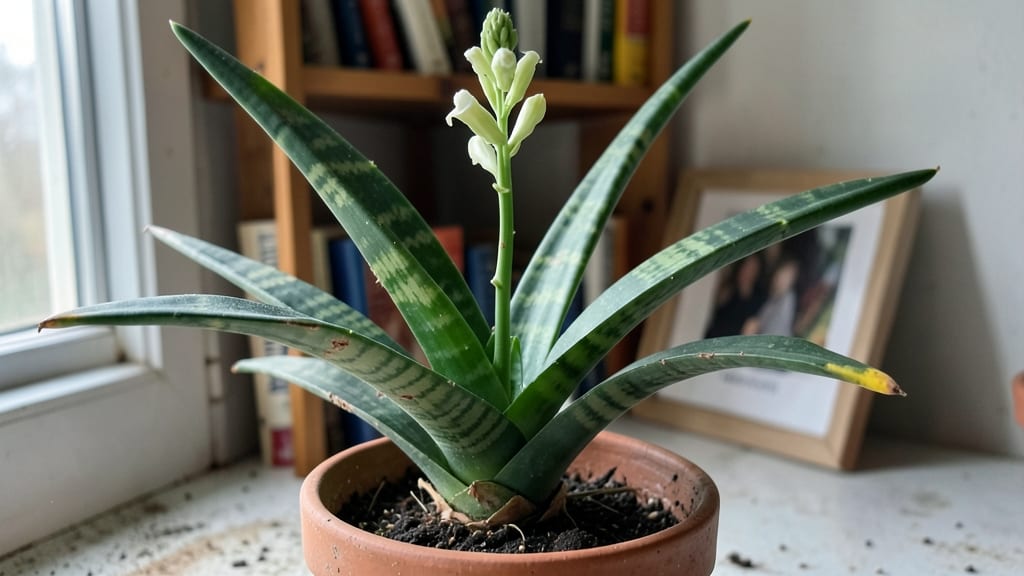
Mother-in-law plants bloom in late spring to early summer under ideal conditions, producing clusters of small, pink or white flowers. Triggering more blooms requires proper light exposure, balanced fertilization, and strategic pruning after flowering to encourage new growth.
These vibrant plants thrive when they get bright, indirect sunlight—think east-facing windows or a few hours of morning sun.
Too much direct light can scorch the leaves, while too little slows down blooming. 🌿 I’ve noticed that keeping them in well-draining soil with a slightly acidic pH (around 6.0-6.5) also makes a big difference, as soggy roots can stress the plant and delay those pretty pink or white clusters.
If your plant isn’t flowering as expected, it might be root-bound or lacking nutrients. A light trim after blooming helps redirect energy to new growth, while a balanced 20-20-20 fertilizer (applied every 4-6 weeks in spring/summer) gives it the boost it needs.
Just avoid overwatering—consistent moisture without soggy soil is key!
💡 In This Article
- Optimal Conditions for Mother-In-Law Plant Flowering
- Step-by-Step Guide to Encourage Mother-In-Law Plant Blooms
Optimal conditions for mother-in-law plant flowering
The flowering cycle of mother-in-law plants (also called Sansevieria trifasciata) hinges on light exposure, which triggers a photoperiodic response. These plants naturally bloom in late spring to early summer when they receive 12-14 hours of bright, indirect sunlight daily.
Direct midday sun can cause leaf scorching, while insufficient light (below 1,000 foot-candles) delays blooming entirely. The key is simulating their native African savanna conditions—think dappled sunlight under trees rather than harsh, unfiltered rays. 🌞
Temperature plays a surprising role too. Mother-in-law plants enter dormancy below 60°F, which can actually stimulate flowering when temperatures rise again. This is why many growers report more blooms in cooler climates (like 65-75°F days) compared to hot, humid environments.
The plant’s metabolic shift during dormancy primes it for blooming, similar to how some bulbs (like tulips) need a cold period to flower. Soil pH also matters—ideal levels of 6.0-6.5 ensure nutrient availability, while alkaline soils (>7.5) can lock out essential micronutrients like iron, stunting growth and reducing blooms.
Moisture levels create another critical balance. These succulents store water in their leaves, so overwatering (keeping soil soggy for >48 hours) triggers root rot and stress, which paradoxically can force flowering as a survival response.
However, consistent underwatering (letting soil dry completely between waterings) mimics their arid habitat and encourages robust growth. The sweet spot is 50-70% soil moisture during active growth, measured by sticking your finger 2 inches deep—if it’s dry, water lightly until it drains through the pot.
Stress-induced flowering is a fascinating botanical trick. When mother-in-law plants become root-bound (roots circling the pot), they experience mild stress that triggers ethylene production—a plant hormone linked to flowering.
This is why repotting into a container just 1-2 inches larger than the root ball can boost blooms, while oversized pots promote foliage at the expense of flowers.
The same principle applies to pruning: cutting back 1/3 of the oldest leaves after blooming redirects energy to new shoots, often resulting in more abundant flowers the following season. 🌱
Seasonal adjustments matter too. In winter, reduce watering by 50% and move plants to a cooler spot (like a garage with indirect light). This mimics their natural dry season, strengthening the plant for spring blooming.
Conversely, in summer, a weekly misting of leaves (early morning only) increases humidity slightly, which can enhance flower production—just avoid wetting the soil to prevent fungal issues.
One common misconception is that bigger plants always bloom more. In reality, it’s the balance of stress and care that matters.
For example, a 3-foot-tall mother-in-law plant in a 10-inch pot may bloom more prolifically than a 2-foot plant in a 16-inch pot because the root restriction triggers that hormonal response. The goal isn’t to coddle the plant but to create controlled conditions that mimic its natural environment. 💫