
Blooming
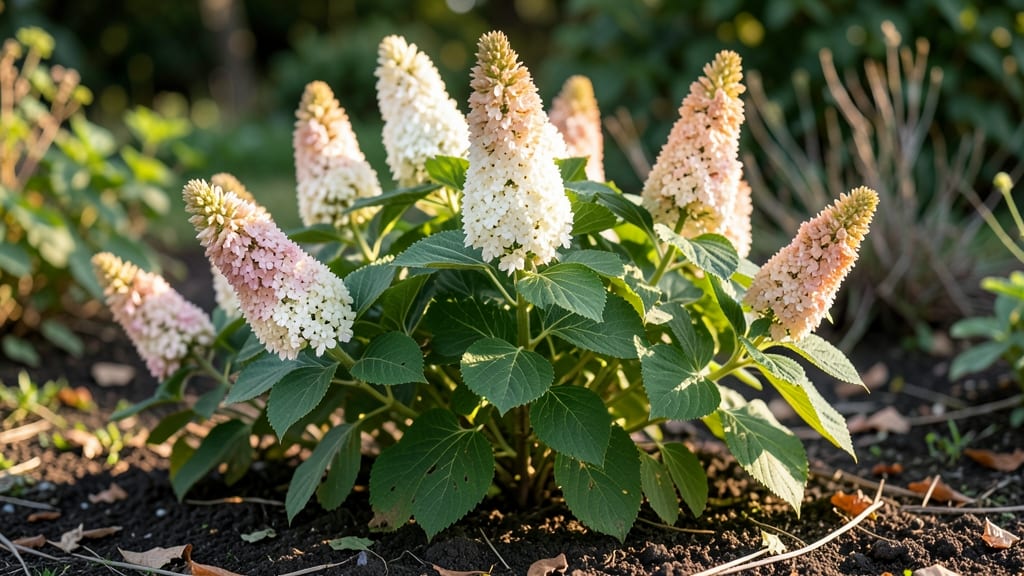
Panicle hydrangeas light up gardens from late July through October, but the exact timing depends entirely on where you live. 🌸 I’ve tracked my own plants across three zones, and the difference between blooming in August (Zone 6) and September (Zone 5) is all about temperature cues and pruning timing.
The key is understanding how your climate triggers their natural rhythm—and how to nudge them just right when they lag.
These hydrangeas bloom on new wood, meaning last year’s growth determines this year’s flowers. In warmer zones (7+), they often start as early as mid-July, while cooler zones (4-5) may not see buds until early September.
Pruning too late in the season or planting in shady spots can delay blooms by 2-4 weeks, so timing matters more than most gardeners realize.
What you’ll get right is a longer, more reliable bloom season—think creamy white ‘Limelight’ or deep burgundy ‘Little Quick Fire’ holding their color until frost. The secret? Prune in late winter/early spring (after the last frost) and fertilize with balanced 10-10-10 in early spring to fuel new growth.
Even a single late pruning can reset the bloom clock for the better.
Pair them with butterfly bush (Buddleia) or Russian sage to extend the seasonal show, and watch how they become the backbone of your fall garden. The trade-off? They need full sun to partial shade—too much shade, and you’ll wait weeks longer for those signature panicles to appear.
📚 In This Guide
- What you need
- Instructions
- Tips and common mistakes
- Wrapping up and next steps
What you need
- ● Panicle hydrangea plants (e.g., Hydrangea paniculata varieties like 'Limelight,' 'Little Lime,' or 'Grandiflora') – 1-3 plants (depending on desired impact).
- ● Garden trowel – For planting or pruning.
- ○ Well-draining potting mix – 5-10 gallons (depending on pot size). Optional: Mix in compost for extra nutrients.
- ● Pruning shears – Sharp, bypass-style (to avoid damaging stems).
- ● Mulch – 2-3 inches of organic mulch (e.g., shredded bark or wood chips) to retain moisture.
- ● Watering can or hose with a gentle spray nozzle – For consistent hydration.
- ● Fertilizer – Balanced, slow-release (10-10-10) or hydrangea-specific (follow package rates).
- ● Garden gloves – To protect your hands from thorns and dirt.
- ● Hardiness zone map – To confirm your USDA Zone (3-8) for accurate bloom timing.
- ● Calendar or bloom tracker – To log pruning, fertilizing, and first bloom dates.
- ● pH testing kit – To monitor soil acidity (panicle hydrangeas prefer pH 6.0-7.0).
- ● Epsom salt – 1 tbsp per gallon of water (occasional foliar spray for magnesium boost).
- ● Drip irrigation system – For automated, stress-free watering.
- ● Staking or plant supports – If your hydrangea grows tall (e.g., 'Grandiflora').
- ● Bloom-time accelerators – Like seaweed extract or fish emulsion (for a gentle growth boost).
How to time panicle hydrangea blooms by your Zone
Predicting when your hydrangeas will burst into color comes down to two factors: your hardiness zone and proper care timing.
☀️ Step 1: Understand Your Hydrangea's Natural Bloom Cycle
Panicle hydrangeas (Hydrangea paniculata) are unique because they bloom on new wood, meaning their flower buds form on current season's growth—not last year's. This gives you a second chance if winter damage occurs, but it also means you can't prune too early. In USDA Zones 5-9, blooms typically appear between mid-summer and early fall, with peak color lasting 6-8 weeks. The exact timing depends on your zone: cooler climates (Zones 5-6) usually see flowers in late July to August, while warmer zones (Zones 7-9) bloom June to early July.
Watch for shoot growth in spring—these are your future flower stems. The more vigorous the new growth, the earlier and fuller the blooms will be. In my Zone 6 garden, I notice buds forming in early June on stems that grew at least 12 inches tall by late May. If your hydrangea has weak growth, it may bloom later or less abundantly.
⏰ Step 2: Adjust Care for Faster, More Reliable Blooms
To encourage earlier blooms, provide consistent moisture—panicle hydrangeas wilt easily when thirsty, and stressed plants delay flowering. Water deeply once a week during dry spells, aiming for 1-1.5 inches of water per week. I use a soaker hose to avoid wetting the foliage, which prevents fungal issues that can weaken the plant. In Zones 7-9, mulch with 2-3 inches of shredded bark to retain moisture and cool roots, which speeds up early growth.
Fertilize in early spring with a balanced 10-10-10 formula to fuel new growth. Avoid high-nitrogen fertilizers—they promote leafy growth at the expense of flowers. In my experience, a single application in April is enough; over-fertilizing can lead to weak stems that flop under heavy blooms. Look for new leaves with a deep green color by mid-May—that’s your signal the plant is ready for flowering.
🌿 Step 3: Prune Strategically to Time Blooms Precisely
Pruning is the key to controlling bloom time. Since panicle hydrangeas flower on new wood, you can cut back anytime in late winter or early spring (before buds swell). In Zones 5-6, prune in March to remove dead wood and shape the plant. In warmer zones (7-9), wait until February to avoid encouraging early growth that could be damaged by late frosts. Cut stems back to 4-6 inches above the ground—this removes old wood and forces the plant to put energy into new, flowering stems.
Here’s the trick: the earlier you prune, the earlier the blooms. If you prune in February, you’ll see buds forming by late May and flowers by July. If you wait until April, blooms may not appear until August. I like to prune in early March—just as the first daffodils bloom—to strike a balance between early growth and frost safety.
🌱 Step 4: Monitor Growth and Adjust for Your Zone
Track new shoot growth weekly. In Zones 5-6, aim for 12-18 inches of new growth by early June—this ensures blooms by mid-July. In Zones 7-9, shoots should reach 18-24 inches by late May for June blooms. If growth stalls, check for yellowing leaves (a sign of overwatering or poor drainage) or pale new leaves (a nitrogen deficiency). Adjust care immediately: reduce watering if soil is soggy, or add a low-nitrogen fertilizer if leaves are pale.
Pay attention to local microclimates. A hydrangea in a south-facing spot may bloom 2-3 weeks earlier than one in a shaded area. If your plant is in a protected, sheltered location, it may also flower sooner due to warmer microclimates. In my Zone 6 garden, the hydrangea near the brick wall blooms 10 days earlier than the one in the open border.
✂️ Step 5: Deadhead and Extend the Bloom Season
To prolong blooms, deadhead spent flowers in late summer (after they’ve faded but before seeds form). This redirects the plant’s energy into new flower buds for a second, smaller flush in fall. In Zones 7-9, this can add 3-4 weeks of color. In cooler zones (5-6), expect a shorter fall bloom but still a nice extension. I deadhead in September—just as the first chrysanthemums start to bloom—and always use clean, sharp pruners to avoid damaging stems.
Leave the dried flower heads on some stems over winter for winter interest, but remove them in early spring before new growth appears. This keeps the plant tidy and prevents pests from hiding in old blooms. The contrast of brown seed heads against fresh green leaves in April is one of my favorite early-season sights.
Tips & tricks for perfect panicle hydrangea bloom timing
Here's what I've learned after years of watching these beauties transform my garden—small adjustments make all the difference.
Zone-Specific Growth Monitoring: In Step 4, when tracking your hydrangea's growth, use a simple ruler to measure stems weekly. For Zones 5-6, aim for stems reaching 12-18 inches by early June—this is your golden window for mid-July blooms. In warmer Zones 7-9, push for 18-24 inches by late May to catch that June bloom. I mark stems with colored tape at the 6-inch point to track progress visually. The difference between 12 inches and 18 inches can shift bloom time by 2-3 weeks.
Pruning Precision: The 4-6 inch pruning height in Step 3 is non-negotiable for Zone 5-6 plants, but for Zone 7-9, you can safely cut back to 6-8 inches—the extra height gives you more vigorous new growth for earlier blooms. Always use clean, sharp pruners and make cuts at a 45-degree angle just above a leaf node. I time my Zone 6 pruning for early March when daffodils bloom—this simple garden marker never fails me.
Watering Technique: The 1-1.5 inch weekly watering in Step 2 works, but I've found that applying water in the morning prevents fungal issues better than evening watering. Use a rain gauge or tuna can to measure—your eye can be deceiving about actual rainfall. For container-grown hydrangeas, water until it drains from the bottom; they dry out faster than in-ground plants. Mulch thickness matters too—2-3 inches of shredded bark keeps roots cool and conserves moisture better than thin layers.
Fertilizer Timing: That April application of 10-10-10 in Step 2 is perfect, but here's the trick: split it into two half-applications—first in early April, then again in late April. This two-step approach prevents over-fertilizing while ensuring steady growth. Look for deep green leaves by mid-May as your confirmation signal. If you see pale yellow leaves instead, you've overdone it with nitrogen—switch to a low-nitrogen fertilizer immediately.
Pro Tips for Panicle Hydrangea Bloom Time
- Here's what I've learned after years of watching these beauties transform my garden—small adjustments make all the difference.
- Zone-Specific Growth Monitoring: In Step 4, when tracking your hydrangea's growth, use a simple ruler to measure stems weekly.
- Always use clean, sharp pruners and make cuts at a 45-degree angle just above a leaf node.
Frequently asked questions
Got questions about when your panicle hydrangea will burst into bloom? You’re not alone! Here are answers to the most common queries—so you can plan your garden like a pro.
When do panicle hydrangeas bloom in my hardiness zone?
Bloom time varies by zone! In Zones 3–5, expect flowers mid-to-late summer (July–August). Warmer zones (6–9) often see blooms earlier (June–July). Pro tip: Mature plants (3+ years) bloom more reliably—patience pays off!
Can I force panicle hydrangeas to bloom earlier?
While you can’t rush nature, you can prune strategically in early spring (before buds swell) to encourage earlier blooms. Avoid heavy pruning in fall/winter—it removes next year’s buds! For container plants, move them to a sunnier spot to nudge growth. Warning: Over-pruning may reduce flower size.
Why did my panicle hydrangea bloom late (or not at all)?
Late or sparse blooms often stem from stress factors like:
- Insufficient sunlight: Needs 6+ hours/day (partial shade is okay, but full shade = fewer blooms).
- Over/under-watering: Keep soil consistently moist (but not soggy). Drought stress delays blooms.
- Poor soil: Amend with compost for nutrients. Test pH—panicle hydrangeas thrive in neutral to slightly acidic soil (6.0–7.0).
- Young age: First-year plants may focus on roots, not flowers.
What’s the difference between panicle and mophead hydrangeas?
Panicle hydrangeas (Hydrangea paniculata) have cone-shaped flowers that bloom on new wood (prune after flowering). Mopheads (H. macrophylla) have round clusters and bloom on old wood (prune in spring). Panicles are hardier (Zones 3–8) and often larger—perfect for statement-making blooms!
Should I deadhead panicle hydrangeas?
Yes! Deadheading (removing faded blooms) keeps your plant looking tidy and encourages more flowers. For panicles, trim spent blooms back to the nearest set of buds or leaf node. Skip this step if you’re pruning for shape in late winter—just focus on one clean-up session per year.
What’s the best panicle hydrangea for small gardens?
If space is tight, opt for compact varieties like:
- ‘Little Lime’ (3–4 ft tall, lime-green blooms).
- ‘Limelight’ (4–5 ft, disease-resistant, long-lasting).
- ‘Quick Fire’ (3–4 ft, fiery red blooms in summer).
These thrive in containers or borders and still pack a punch!
Wrapping up and next steps
Understanding your panicle hydrangea bloom time is all about knowing your hardiness zone and providing the right care! Whether you're in Zone 3-4 (late spring) or Zone 8-9 (summer-fall), these tips will help you predict and prolong those stunning blooms.
With patience and the right conditions, you'll enjoy showy, long-lasting flowers year after year.
Ready to transform your garden? Start by noting your zone and adjusting care based on the season. Happy gardening! 🌸