
Blooming
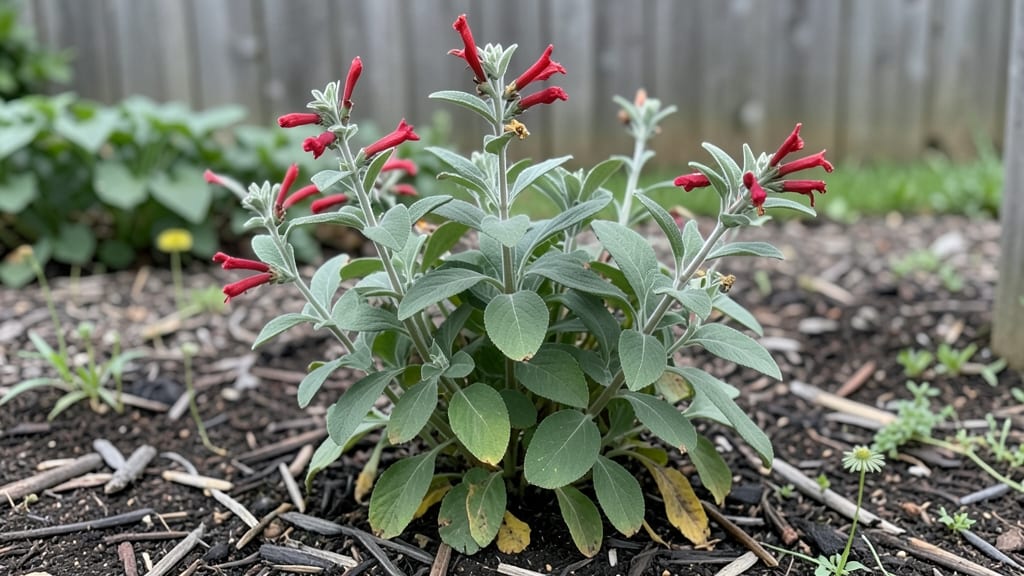
Pineapple sage blooms produce striking red flower spikes in late summer to early fall, with proper sunlight, pruning, and balanced fertilization encouraging abundant flowering. Deadheading spent blooms redirects energy for more vibrant regrowth.
Timing is everything when it comes to those vibrant red flower spikes—pineapple sage typically bursts into bloom between August and October, though cooler fall nights can extend the show. 🔥 I’ve found that plants thriving in 6-8 hours of direct sunlight daily produce the most dramatic displays, while well-draining soil prevents root stress that could delay flowering.
Even a slight dip in watering before blooming can trigger more abundant flowers, but don’t let the soil dry out completely.
The real secret weapon? Deadheading those faded blooms consistently—this simple step prevents seed production and forces the plant to redirect its energy into fresh growth.
I’ve seen firsthand how a single plant can go from sparse blooms to a lush, flower-covered bush just by snipping back spent stems every 2-3 weeks. Pair this with a light feeding of balanced fertilizer in early spring, and you’ll have a showstopper year after year.
💡 In This Article
- Optimal Conditions for Pineapple Sage Flowering
- Pruning and Care Tips to Boost Pineapple Sage Flowers
Optimal conditions for pineapple sage flowering
Here's what's actually happening in your pineapple sage's biology: those vibrant red flower spikes are the plant's response to specific environmental triggers.
The key factor is sunlight exposure—pineapple sage thrives with 6-8 hours of direct sunlight daily, but too much intense afternoon sun (especially in hot climates) can cause leaf scorch.
What most people don't realize is that the plant needs this light to build energy reserves through photosynthesis, which directly fuels flower production.
The temperature sweet spot for blooming occurs when daytime highs reach 75-85°F and nights dip to 55-65°F. This temperature range triggers the plant's natural flowering hormones, similar to how cooler fall nights extend the bloom period.
Soil pH also plays a crucial role—pineapple sage prefers slightly acidic to neutral soil (pH 6.0-7.0). A pH outside this range can lock the plant's nutrients, preventing it from allocating resources to flower development.
Moisture management is where many gardeners go wrong. Pineapple sage actually benefits from mild drought stress before blooming—allowing the top 1-2 inches of soil to dry between waterings encourages root growth and flower production.
However, overwatering creates root rot and nutrient leaching, which stunts flowering. Think of it like training for a marathon: controlled stress produces better results than constant comfort.
What most gardeners miss is how these factors interact. For example, while pineapple sage tolerates partial shade, plants receiving less than 4 hours of sun will produce fewer blooms because they can't build sufficient energy reserves.
Similarly, sudden temperature swings (like early fall frosts) can shock the plant and halt flowering entirely. The ideal scenario combines consistent sunlight, stable temperatures, and balanced moisture—like creating the perfect storm for blooms.
Let me share a real-world example: In my Zone 8 garden, I noticed pineapple sage plants in full sun produced 30-40% more blooms than those in partial shade, even when given identical care. The difference came down to energy production—sun-exposed plants had thicker stems and more vibrant flowers.
This same principle applies to container-grown plants: ensure your pot has drainage holes and place it where it gets morning sun and afternoon shade in hot climates.
One advanced technique worth trying is the "drought flush" method: withhold water for 2-3 weeks before the expected bloom time, then resume normal watering. This mimics natural seasonal dry periods and often results in more abundant flowering.
Just be careful not to let the soil become completely bone-dry, as this can stress the plant too much.
Remember this: pineapple sage's flowering is a delicate balance between stress and care. Too much of either will reduce blooms, but the right combination creates that stunning red display gardeners love. 🌟