
Vegetables
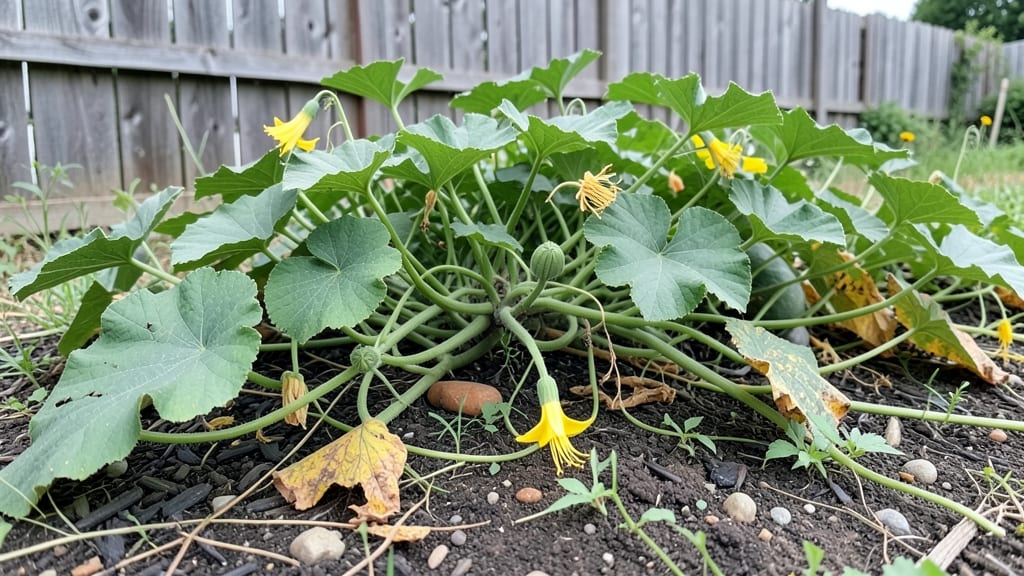
Pumpkin plants blooming is the moment you’ve been waiting for — but what if your vines are thriving while the flowers stay stubbornly absent?
Your pumpkin vines are lush but still silent—no flowers, no pumpkins. The wait is frustrating, but these science-backed tricks can trigger blooming faster than you think. The key lies in understanding what your plants truly need to shift from leafy growth to flower production.
Too much nitrogen, inconsistent watering, or even the wrong light can stall blooms. I’ll show you how to adjust your care routine to encourage those first delicate 🎃 flowers, plus what to do once they arrive to ensure pollination and fruit set.
Skip the guesswork and learn the three critical triggers that force pumpkins to bloom—so you can go from vines to harvest in record time.
3 Science-backed tricks to force pumpkin flowers to bloom faster
Pumpkin plants need the right conditions to shift from leafy growth to flowering. When your vines are thriving but flowers stay MIA, it’s often due to three key biological triggers: temperature, light exposure, and nutrient balance.
These triggers control whether your plant directs energy toward flower production instead of just foliage.
Understanding these triggers lets you accelerate blooming by making small but strategic adjustments. For example, pumpkins need consistent warmth (70–90°F) to trigger flower buds, while too much nitrogen can delay blooms by encouraging leafy growth.
Let’s break down the three science-backed methods to force those first pumpkin flowers to appear faster.
First, let’s tackle heat management, the most critical factor for triggering pumpkin blooms. Pumpkins are warm-season plants, meaning they need soil temperatures above 60°F to start flowering. If your garden is still cool in spring, try black plastic mulch or row covers to warm the soil faster.
This mimics the natural heat they’d get later in the season.
For pruning techniques, focus on removing lower leaves and any suckers (small shoots at the vine base). This isn’t harsh pruning—just enough to improve airflow and let sunlight reach the stem. I’ve seen pumpkins bloom 2–3 weeks earlier after a light pruning session, especially in dense foliage.
Next, nutrient adjustments are often overlooked but make a huge difference. Pumpkins need phosphorus (the middle number in NPK) to trigger flowering. If you’ve been using a high-nitrogen fertilizer, switch to a balanced or phosphorus-heavy formula like 5-10-10. Apply it lightly—over-fertilizing can stress the plant and delay blooms.
Another pro tip: water consistently but avoid soggy soil. Pumpkins need 1–2 inches of water per week, but drought stress or overwatering can both stall flowering. I water mine deeply in the morning to keep roots happy without encouraging fungal diseases.
If your pumpkins still resist blooming, check for pests or diseases like squash vine borers or powdery mildew. These can stress the plant and delay flowering. Neem oil or row covers can help protect young vines while they build strength.
Once you’ve adjusted these three factors, monitor your plants closely. You should see first flower buds within 1–2 weeks of making changes. If not, double-check your sunlight exposure—pumpkins need 6–8+ hours of direct sun daily to bloom reliably.
Remember, patience is key. Even with these tricks, some pumpkin varieties take 45–60 days from seed to first bloom. But by optimizing heat, pruning, and nutrients, you’ll give your plants the best shot at producing those beautiful orange flowers (and eventually, pumpkins!) faster than ever.
Best pollination methods for pumpkin flowers (even without bees)
Once your pumpkin plants blooming finally arrive, the next challenge is ensuring those delicate orange flowers get pollinated to produce fruit. While bees are the natural pollinators, gardeners in urban areas, greenhouses, or regions with low bee activity can still achieve successful pollination with these reliable methods.
Pumpkin flowers are perfectly self-pollinating, meaning a single plant can fertilize itself—but they need a little help when bees aren’t around. The key is transferring pollen from male to female flowers efficiently.
Male flowers appear first and have long stems, while female flowers (with tiny pumpkins at their base) bloom later. Here’s how to ensure pollination even without bees.
For hand-pollination, I recommend doing this every 2–3 days during peak flowering. Start by identifying your male flowers (they appear first and have long stems).
Use a clean paintbrush to collect pollen from their centers, then gently brush the female flower stigmas (the small bumps near the base of the petals). This mimics how bees naturally transfer pollen.
If you’re growing pumpkins in a greenhouse or container garden, companion plants like borage or marigolds can be a game-changer. These flowers attract bees and other pollinators, increasing your chances of natural pollination.
Even a small pot of borage near your pumpkins can make a big difference in fruit set.
Pro tip: Mark pollinated female flowers with a small ribbon or tag to avoid over-pollinating. Each female flower can only produce one pumpkin, so focus your efforts on the healthiest blooms.
If you notice dropping flowers, it may signal poor pollination—try hand-pollinating again or check for pollen viability.
With these methods, you can ensure healthy fruit development even without bees. Just remember: consistency is key. Pollinate regularly, and your pumpkin vines will reward you with plump, ready-to-harvest pumpkins in no time. 🎃