
Flowers
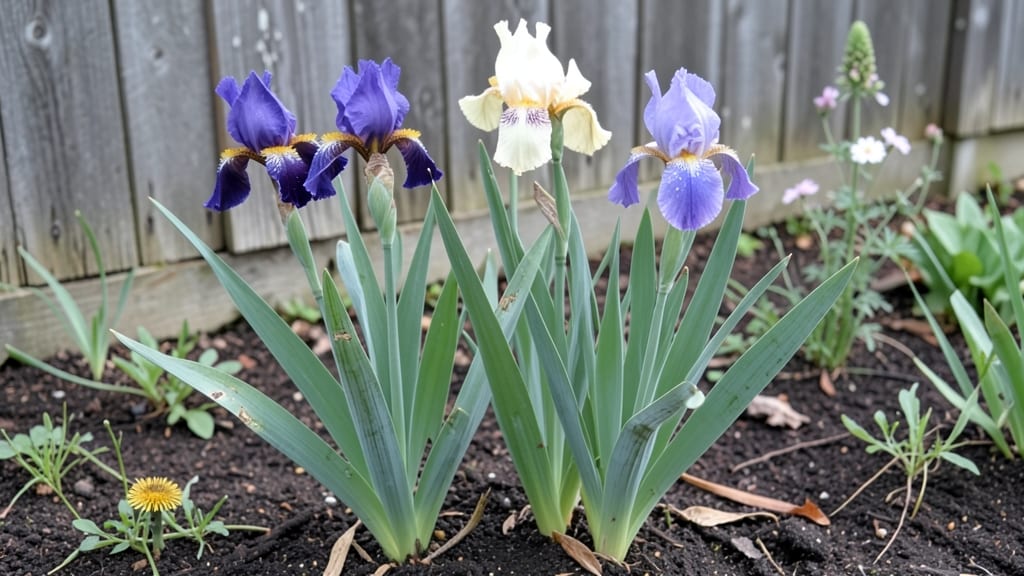
Your bearded iris 🌸 can bloom twice a year with the right care—here’s how to coax that second flush of vibrant color.
Struggling to get your bearded iris to bloom more than once a year? With the right techniques, you can transform your garden’s summer display into a year-round spectacle—here’s how to unlock that second flush of vibrant blooms.
Most gardeners assume these striking plants are one-and-done, but the key lies in timing, fertilization, and smart pruning. A little extra effort in late summer can mean weeks of extra color when others are winding down.
Below, I’ll walk you through the exact steps to encourage re-blooming, from deadheading to soil prep, so you can enjoy those dramatic 🌸 blooms well into fall.
Why bearded iris stop blooming after the first season
If your bearded iris put on a stunning show their first year but now seem content to just sit and stare, you’re not alone. Many gardeners face this frustrating pattern, where vibrant blooms vanish after the initial season.
The good news? Understanding the biological triggers and environmental cues behind this behavior can help you coax those flowers back into action.
Bearded iris are perennial plants with a natural dormancy cycle, but poor nutrient management, incorrect pruning timing, or suboptimal growing conditions can trick them into thinking it’s time to rest—permanently. The key is recognizing which factors are at play in your specific garden setup and addressing them proactively.
The most common reason your bearded iris stopped blooming is nutrient depletion. These plants are heavy feeders, and without regular fertilization, they’ll redirect energy toward root and leaf growth instead of producing showy blooms.
Look for yellowing leaves or stunted stems—these are clear signals your iris is hungry.
Another frequent culprit is improper pruning. Many gardeners make the mistake of cutting back foliage too aggressively after the first bloom cycle. Iris leaves need time to photosynthesize and store energy for next year’s flowers.
If you prune too early or too late, you’re essentially telling the plant it’s time to hibernate—even in summer.
Overcrowding is a sneaky problem that often flies under the radar. When rhizomes become too congested, they compete for nutrients and space, resulting in smaller, fewer blooms. If your iris clump looks like a tangled mess with small, weak stems, it’s time to dig up and divide those rhizomes.
This simple task can breathe new life into your plants and trigger a second bloom cycle.
Don’t overlook the power of sunlight. Bearded iris thrive in full sun, and even a slight reduction in light can signal the plant to conserve energy instead of flowering.
If your iris is tucked away in a shady spot or partially obstructed by taller plants, consider relocating it to a sunnier area. You’ll likely see a dramatic improvement in both foliage and bloom production.
Finally, dormancy confusion plays a role in many cases. Iris have a natural resting period, and if you fertilize or water excessively during fall and winter, you can disrupt this cycle. The plant may think it’s time to bloom when it’s actually supposed to be conserving energy.
Let your iris rest during the cooler months—this is when it recharges for next year’s spectacular display.
To diagnose the specific issue affecting your plants, start by examining their foliage health and growth patterns. Are the leaves vibrant and upright, or are they yellowing and flopping? Is new growth appearing after the first bloom cycle, or is everything looking dormant?
These visual cues will help you pinpoint whether the problem is nutritional, structural, or environmental.
Once you’ve identified the root cause, you can take targeted action. For example, if nutrient depletion is the issue, a spring feeding with a balanced fertilizer will jumpstart growth. If overcrowding is to blame, dividing the rhizomes in late summer will give each plant the space it needs to thrive.
By addressing these factors proactively, you’ll be well on your way to coaxing those second-season blooms back into action.
Remember, bearded iris are resilient plants. With the right care and attention to their natural rhythms, they’ll reward you with vibrant, repeat blooms year after year. Start by tackling one issue at a time—whether it’s fertilization, pruning, or sunlight—and watch as your garden transforms into a continuous floral masterpiece.
Step-by-step methods to encourage re-blooming bearded iris
Bearded iris plants often put on a stunning show in late spring and summer, but many gardeners miss the chance for a second bloom cycle. The secret lies in strategic care adjustments that mimic natural growth patterns.
By focusing on deadheading, pruning, and nutrient timing, you can coax your irises into reblooming—sometimes even producing a third flush of flowers! The key is acting at the right time and avoiding common pitfalls like over-fertilizing or improper pruning.
Most re-blooming iris varieties need a 6-8 week recovery period after their first bloom to build energy for a second round. This means starting your efforts immediately after the first flowers fade and continuing through early fall.
Let’s break down the exact steps to follow, from deadheading to winter prep, to maximize your chances of success.
Your Re-Blooming Iris Checklist
-
Step 1: Deadhead Immediately
Snip off spent blooms right after they fade, cutting the stem 1 inch below the flower. This redirects energy to leaf production and rhizome storage for the next bloom cycle.
-
Step 2: Fertilize in Early Summer
Apply a balanced fertilizer (5-10-10) in early June to support leaf growth. Avoid high-nitrogen fertilizers after mid-July, as they promote foliage over flowers.
-
Step 3: Prune Strategically in Late Summer
Cut back yellowed or damaged leaves in August, leaving only the healthiest, greenest fans. This helps the plant conserve energy for reblooming instead of maintaining unnecessary foliage.
-
Step 4: Water Deeply but Sparingly
Reduce watering in late summer to encourage dormancy-like conditions. Water deeply once every 10-14 days to prevent root rot while still supporting rhizome storage.
-
Step 5: Mulch for Winter Prep
Apply a 2-inch layer of mulch in October to insulate rhizomes. Use straw or shredded leaves—avoid thick layers that can suffocate the plant or attract pests.
-
Step 6: Monitor for New Growth in Spring
In early spring, look for new shoots emerging from the rhizome. This signals the plant is ready for a second bloom cycle. Remove any old, woody leaves to make room for fresh growth.
Timing is everything when it comes to re-blooming bearded iris. For example, if you miss the deadheading window in early summer, your plant may not have enough time to recover before winter. Similarly, fertilizing too late in the season can stimulate tender growth that won’t survive frost.
Pay close attention to your local frost dates—most gardeners in USDA Zone 6a should aim to complete pruning by mid-August.
One of the biggest mistakes I see is over-pruning in autumn. While it’s tempting to tidy up your garden, cutting back too aggressively can weaken the rhizome before it stores enough energy for reblooming.
Instead, focus on removing only the dead or damaged foliage and leave the rest until spring. This natural dormancy period is crucial for building the reserves needed for a second bloom.
To further boost your chances, consider dividing your iris clumps every 3-5 years. Overcrowded rhizomes compete for nutrients, reducing the energy available for blooming. In early spring or fall, carefully dig up the clump, separate the rhizomes, and replant the healthiest ones.
This rejuvenates the plant and often triggers more vigorous reblooming in subsequent years.
With these step-by-step methods, you’ll be well on your way to enjoying two (or even three!) flushes of irises each season. The key is consistency—stay diligent with deadheading, pruning, and seasonal adjustments, and your bearded iris will reward you with a longer, more abundant display.
Happy gardening! 🌸