
Blooming
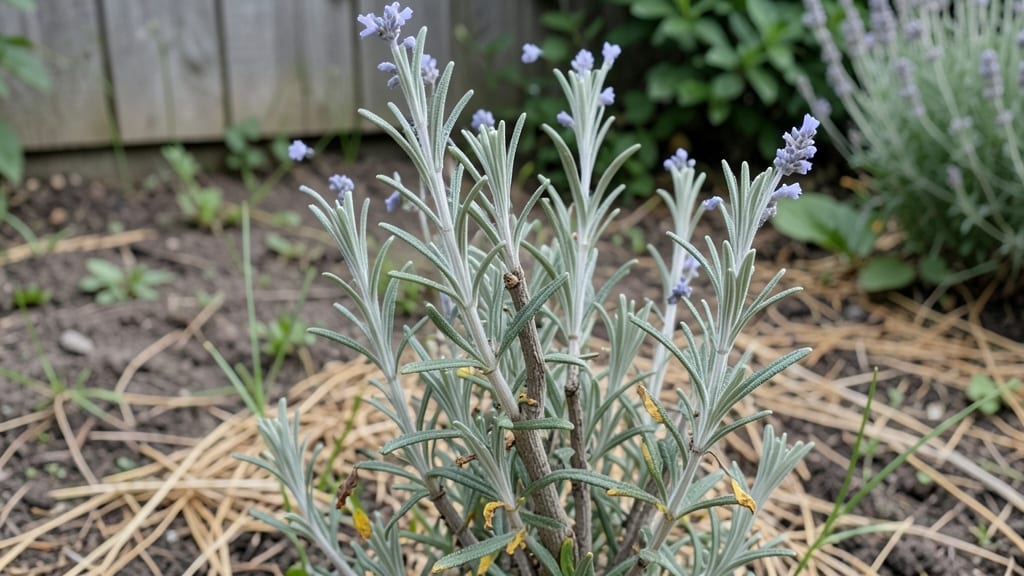
Salvia blooming season typically spans late spring through early fall, with peak blooms from May to August depending on the variety and climate. Hardy types like Salvia nemorosa bloom in June-July, while tender varieties may flower earlier or later.
Understanding your local climate zone is key to predicting when your salvia will burst into color—warmer regions often see blooms as early as April, while cooler areas might delay them until June. 🌿 For instance, Salvia officinalis (culinary sage) tends to flower in late spring, while ornamental varieties like Salvia 'May Night' may stretch their show into September with proper care.
The length of daylight also plays a role, with longer summer days encouraging prolonged flowering.
What many gardeners don't realize is that soil temperature matters just as much as air temperature. Salvias thrive when roots stay cool (around 60-65°F), which is why mulching with organic matter can help regulate temperature and extend the blooming window.
I've found that consistent moisture—without soggy soil—keeps plants happy and encourages those vibrant spikes of color to last longer.
💡 In This Article
- Factors Influencing Salvia Bloom Timing
- Natural Techniques to Prolong Salvia Flowers
Factors influencing Salvia bloom timing
Daylight length is the primary trigger for salvia flowering, with most varieties requiring 14-16 hours of daylight to initiate bloom formation. This photoperiod sensitivity explains why northern climates (like USDA Zone 4-5) often see later blooms—salvias need to wait until summer solstice when days are longest.
In contrast, southern regions (Zone 7-9) may experience blooms as early as April because longer daylight windows arrive sooner in their growing season.
The specific variety plays a crucial role too. Perennial types like Salvia nemorosa (woodland sage) typically bloom in June-July and rely on cool spring temperatures to break dormancy, while Salvia leucantha (Mexican bush sage) often flowers later in August-September because it thrives in heat.
Annual varieties like Salvia splendens (scarlet sage) may bloom continuously from spring until frost if given proper care.
Soil temperature affects root activity and nutrient uptake, with optimal root zones maintaining 60-68°F. When soil stays too cold (50°F), salvias delay flowering until conditions improve. This is why gardeners in cooler climates often use black plastic mulch—it raises soil temperatures by 5-10°F, accelerating bloom times.
The opposite occurs in hot climates where excessive heat can cause bolting (premature flowering) or stress-induced dormancy.
Climate zones create dramatic regional variations. In the Pacific Northwest (Zone 7-8), Salvia 'May Night' typically blooms from May through October, while in the Midwest (Zone 5), the same variety might only flower from June to August.
Coastal areas benefit from moderating ocean breezes that prevent heat stress, whereas inland desert regions require extra watering to maintain consistent moisture levels for prolonged blooming.
What most gardeners overlook is the interaction between temperature and moisture. Salvias native to Mediterranean climates (like Salvia officinalis) actually prefer dry conditions during bloom—overwatering can lead to fewer flowers.
This explains why container-grown salvias often bloom more prolifically than garden beds, as pots dry out faster between waterings. The key is maintaining 1-2 inches of dry soil between waterings once established.
For those in transitional zones (like Zone 6), selecting early-blooming varieties like Salvia 'Hot Lips' (which flowers in May-June) followed by late-season types like Salvia 'Caradonna' (blooming August-September) creates a continuous color show.
This staggered planting strategy leverages the plant's natural photoperiod responses to extend the visual impact by nearly 4 months.