
Blooming
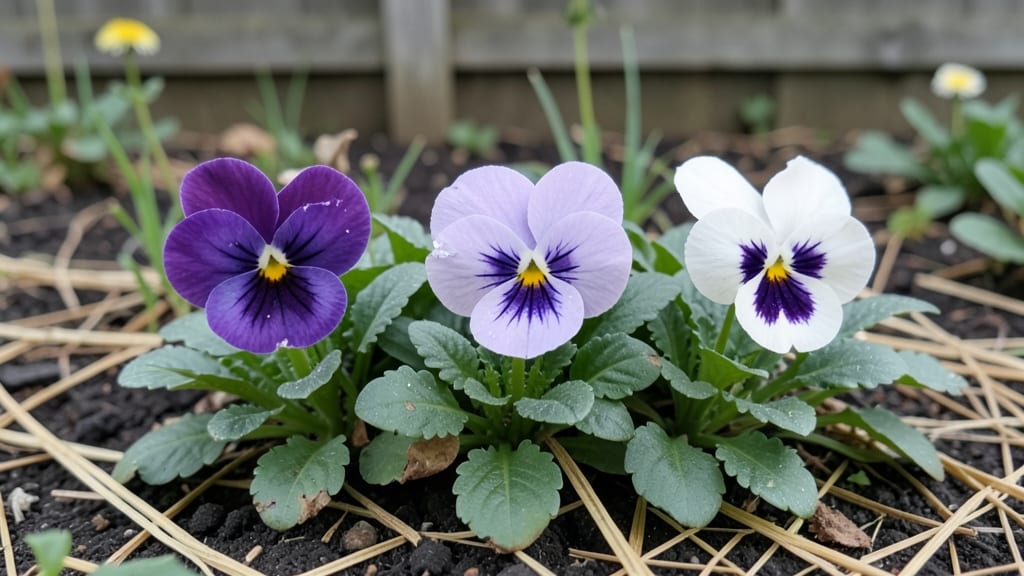
Violas thrive in cooler temperatures because their natural growing rhythm syncs with seasonal shifts—think of them as the garden's chill-seeking superstars. 💫 Unlike heat-loving flowers, they actually bloom better when nights dip below 60°F, which is why you’ll see them bursting in early spring and fall.
In my experience, gardeners in USDA zones 5-8 often get two peak seasons, while coastal areas with mild winters might enjoy sporadic blooms year-round.
What’s fascinating is how they adapt: violas planted in partial shade during summer’s heat will often rebound with fresh blooms when temperatures drop again. This makes them one of the most reliable cool-season flowers for gardeners who want consistent color without fuss.
Just remember—consistent moisture and well-draining soil keep them happy, whether they’re putting on a spring show or a fall finale.
💡 In This Article
- Climate Factors That Trigger Viola Flowering
- Extending Viola Bloom Time with Gardening Techniques
Climate factors that trigger viola flowering
Violas rely on a delicate balance of temperature and daylight to trigger their blooming cycles, with vernalization (cold exposure) playing a starring role. These cool-loving annuals need 4-6 weeks of temperatures between 35°F and 50°F to break their dormancy, a process called cold stratification.
Without this chilling period, violas may produce fewer flowers or bloom sporadically. Think of it like their biological reset button—just as bulbs need winter cold to produce spring blooms, violas use this temperature dip to signal "it's time to flower!"
The magic happens when daytime temperatures hover around 60-70°F while nights stay cool (50-55°F). This temperature range aligns perfectly with spring's transitional weather and fall's cooling trend.
In my garden, violas planted in USDA zones 5-7 often start blooming as soon as soil temperatures reach 45°F in early spring, while zone 9 gardens may see staggered blooming throughout winter. The key is avoiding heat stress—temperatures above 80°F can cause buds to drop or flowers to wilt prematurely.
Daylight hours also influence viola blooming through photoperiodism, where they respond to changing light patterns. Violas are day-neutral plants, meaning they'll bloom regardless of daylight length, but they do prefer 12-14 hours of light for optimal flowering.
The transition from short winter days to longer spring days acts as a natural cue for violas to ramp up flower production. In cloudy or overcast regions (like the Pacific Northwest), this photoperiod effect is less pronounced, allowing violas to bloom more continuously throughout mild winters.
Humidity plays a subtle but important supporting role in viola blooming cycles. These plants thrive in 40-60% relative humidity, which prevents their delicate petals from drying out while maintaining proper moisture uptake through their roots.
In dry climates (like the Southwest), violas may need daily watering to compensate, while humid regions (like the Southeast) can sometimes suffer from fungal issues if airflow is poor. The ideal scenario?
Light, consistent moisture that keeps soil evenly damp but never soggy—a balance that mirrors their natural European woodland habitats.
Regional variations create fascinating blooming patterns across the US. In USDA zone 4, violas may only bloom from May through September due to shorter growing seasons, while zone 10 gardens can enjoy blooms year-round with proper shade management.
What's remarkable is how violas adapt: in coastal areas with moderate winters (like San Francisco), they might produce three blooming cycles annually—spring, fall, and even a light winter show if protected from frost. This adaptability makes violas one of the most versatile cool-season flowers for gardeners across diverse climates.
Here's what most gardeners don't realize: violas actually prefer cooler nights than days for optimal blooming. The temperature differential (warmer days, cooler nights) enhances flower production through a process called thermoperiodism.
This is why you'll often see violas flourishing in morning sun with afternoon shade—they're not just avoiding heat stress, but actively responding to this temperature pattern that triggers their genetic blooming programs. 🌸