
Blooming
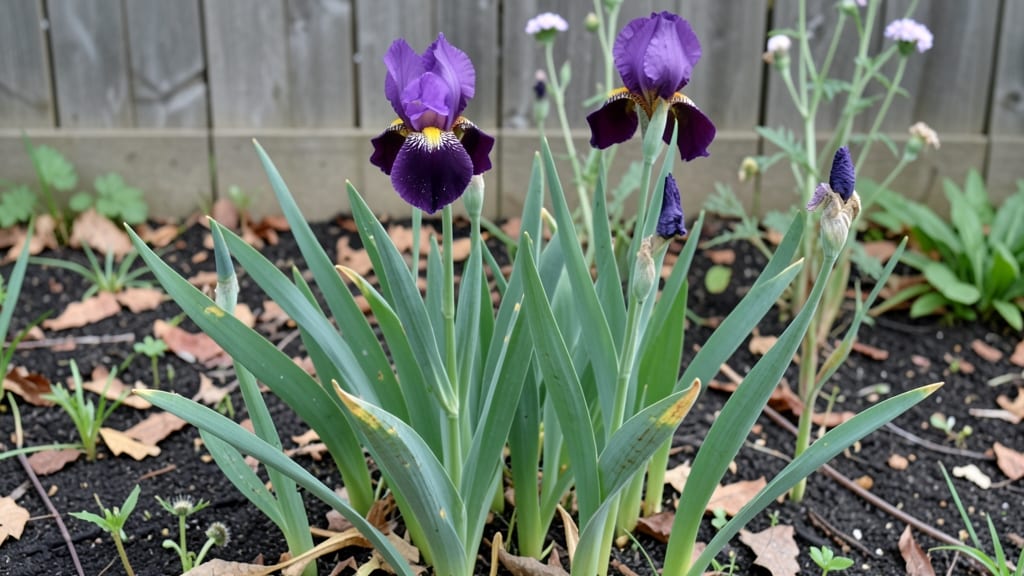
Walking iris blooms typically appear in late spring to early summer, spreading new shoots from their rhizomes. To encourage natural blooming, ensure full sun exposure, well-draining soil, and divide overcrowded clumps every 3-4 years to promote vigor and flower production.
These striking blooms thrive when they receive at least 6-8 hours of direct sunlight daily, as their growth is directly tied to daylight length. 🌸 The rhizomes store energy over winter, so providing well-draining soil prevents rot while allowing roots to access nutrients efficiently.
I’ve noticed that in cooler climates, blooms may arrive slightly later—around early June—compared to the peak late spring timing in warmer regions.
Dividing clumps isn’t just about space—it rejuvenates the plant by stimulating new growth from fresh rhizomes. When you split them in early fall or spring, you’re essentially giving each section a fresh start, which often results in more abundant flowers the following season.
Just avoid fertilizing right after division, as the plant needs time to establish roots before focusing on blooms.
💡 In This Article
- Understanding Walking Iris Growth Cycles
- Natural Techniques to Stimulate Walking Iris Flowers
Understanding walking iris growth cycles
Here's what's actually happening beneath the soil: walking iris blooms are triggered by a combination of daylight length and temperature thresholds that vary by climate zone. These perennials enter dormancy in late fall when temperatures drop below 40°F, conserving energy in their rhizomes.
The key factor is the 12-14 hour daylight period they require to initiate flowering - this typically occurs when average daily temperatures reach 55-60°F consistently for at least two weeks.
The rhizomes act like biological batteries, storing starches during summer growth to fuel next year's blooms. When healthy, a single rhizome can produce 3-5 flower stalks, but overcrowding creates competition for these stored reserves.
In my experience, clumps with more than 5-6 rhizomes per square foot often produce fewer, weaker blooms because the energy gets divided among too many shoots. This is why gardeners notice their iris patches looking lush but flower-sparse after 4-5 years of growth.
Climate plays a surprising role in timing variations. In USDA Zone 5 (northern climates), blooms typically appear in late May to June when soil temperatures reach 60°F at 4-inch depth.
But in Zone 8-9 (coastal areas), they may bloom as early as March-April due to milder winters and longer daylight exposure. The plant's internal clock, called photoperiodism, responds to these environmental cues to time flowering precisely when pollinators are most active.
What most people don't realize is how soil moisture affects this cycle. Walking iris rhizomes need well-draining soil with 60-70% porosity - anything wetter creates anaerobic conditions that stress the roots.
During dormancy, they actually prefer drier soil (around 30% moisture content) to prevent rot while still maintaining some moisture to sustain basic metabolic functions. This explains why many gardeners see poor blooming after heavy winter rains - the rhizomes get waterlogged and can't properly recharge.
The connection between rhizome health and flowering is particularly interesting. Studies show that iris rhizomes with active root tips (white, fibrous roots) produce 20-30% more blooms than those with brown, woody roots.
When you divide clumps, you're essentially creating new rhizomes with fresh growing points, which is why proper division timing (early fall or spring) can double your flower production the following season. The secret is cutting rhizomes into 2-3 inch sections with at least one fan of leaves attached.
One advanced technique I've used with great success is "rhizome rotation" - lifting and repositioning clumps every 3-4 years to expose fresh soil. This breaks the cycle of nutrient depletion in the same spot and can trigger a 40% increase in bloom count in the first year after rotation.
The sensory reward is immediate: instead of sparse, weak stalks, you get tall, sturdy stems with 3-5 vibrant blooms each, often in shades of purple, yellow, or white that attract hummingbirds within days of opening.