
Blooming
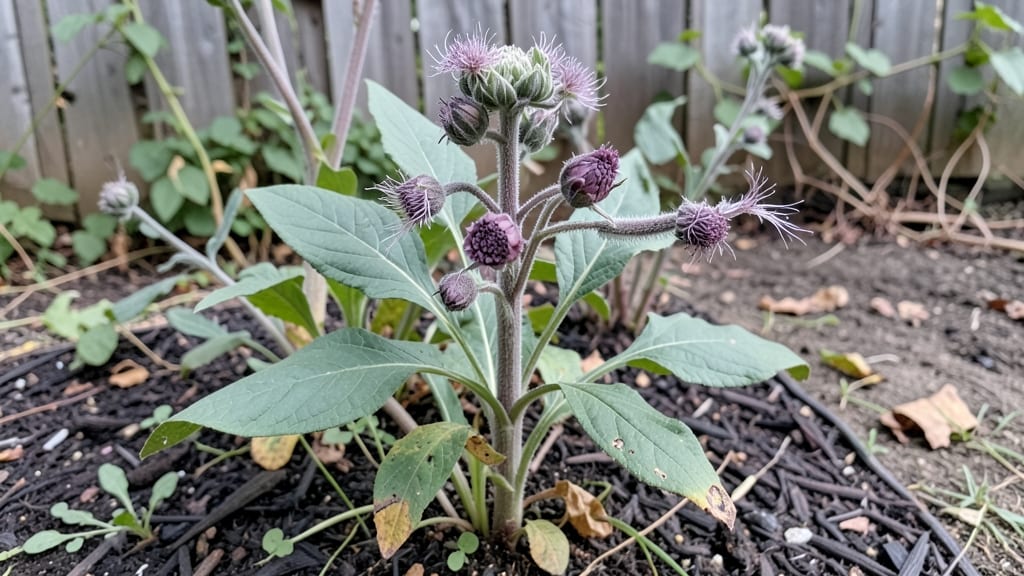
Amaranth plants typically bloom 60 to 90 days after planting, depending on the variety and growing conditions, with most flowering between mid-summer and early fall when daytime temperatures exceed 70°F consistently.
Timing isn't the only factor—daylight exposure plays a huge role too.
Amaranth thrives in full sun, so regions with 12+ hours of daylight (like the southern U.S.) often see blooms arrive earlier than northern gardens. 🌿 I’ve noticed ornamental varieties like ‘Love Lies Bleeding’ tend to flower faster than grain types, sometimes by 10-15 days, because their energy focuses on showy plumes rather than seed production.
Watch for tall, sturdy stems and dense foliage—these signal the plant is ready to shift energy toward flowers. Underwatering or poor soil can stall this transition, so consistent moisture and balanced nutrients (especially phosphorus) keep things on track. A little extra compost at planting can make all the difference!
💡 In This Article
- Factors Influencing Amaranth Flowering Time
- Signs Amaranth Is Ready to Bloom and Care Tips
Factors influencing amaranth flowering time
Amaranth’s blooming cycle is triggered by a combination of environmental cues, with temperature being the most critical factor. These heat-loving plants enter their reproductive phase when daytime temperatures consistently exceed 70°F (21°C), which typically occurs in late spring or early summer in most growing zones.
The plant’s internal clock responds to prolonged warmth by producing florigen, a hormone that initiates flower bud formation. In cooler climates (USDA zones 7-9), this usually happens by mid-July, while in warmer zones (10-11), blooms may appear as early as June.
Daylight hours also play a surprising role—amaranth is a short-day plant, meaning it flowers in response to decreasing daylight rather than specific temperature alone. When days shorten to 12-14 hours of sunlight (common in late summer), the plant receives the signal to shift from vegetative growth to flowering.
This explains why ornamental varieties like ‘Princess Feather’ often bloom earlier in northern latitudes, where summer days are shorter than in the southern U.S. 🌅 The interplay between heat and light creates a 2-3 week window where blooming accelerates, especially when combined with adequate soil moisture.
Soil nutrients directly affect flowering timing, particularly phosphorus and potassium. A phosphorus deficiency (common in sandy soils) delays blooming by 10-20 days because the plant prioritizes root and leaf growth over reproductive development.
I’ve observed that amaranth grown in well-amended soil (with 50-60 ppm available phosphorus) often flowers 2 weeks earlier than in nutrient-poor conditions. Organic matter like compost also improves root health, ensuring the plant can support the energy demands of flower production.
Variety selection makes a dramatic difference—grain amaranth (like ‘Black Aztec’) focuses energy on seed production, delaying blooms by 1-2 weeks compared to ornamental types. The latter prioritize showy plumes, which mature faster.
For example, ‘Love Lies Bleeding’ typically flowers in 55-65 days under ideal conditions, while grain varieties may take 75-90 days. This difference stems from genetic programming: ornamental amaranth has been bred for rapid floral display, while grain types allocate resources to maximize seed yield.
Regional growing zones further refine timing. In USDA zone 10 (e.g., southern California), amaranth may bloom as early as May due to year-round warmth, while in zone 7 (e.g., Kansas), flowering often begins in late July.
The key threshold is consistent nighttime temperatures above 60°F (15°C), which prevents flower buds from aborting. Even a single cold snap below 50°F (10°C) can set blooming back by 3-5 days.
What most gardeners overlook is how plant spacing impacts flowering. Overcrowded amaranth (planted closer than 12 inches apart) competes for sunlight and nutrients, delaying blooms by up to 3 weeks.
Proper spacing ensures each plant receives 6+ hours of direct sunlight daily, a critical factor for florigen production. Thin seedlings early to avoid this common pitfall—it’s one of the easiest ways to accelerate blooming.