
Blooming
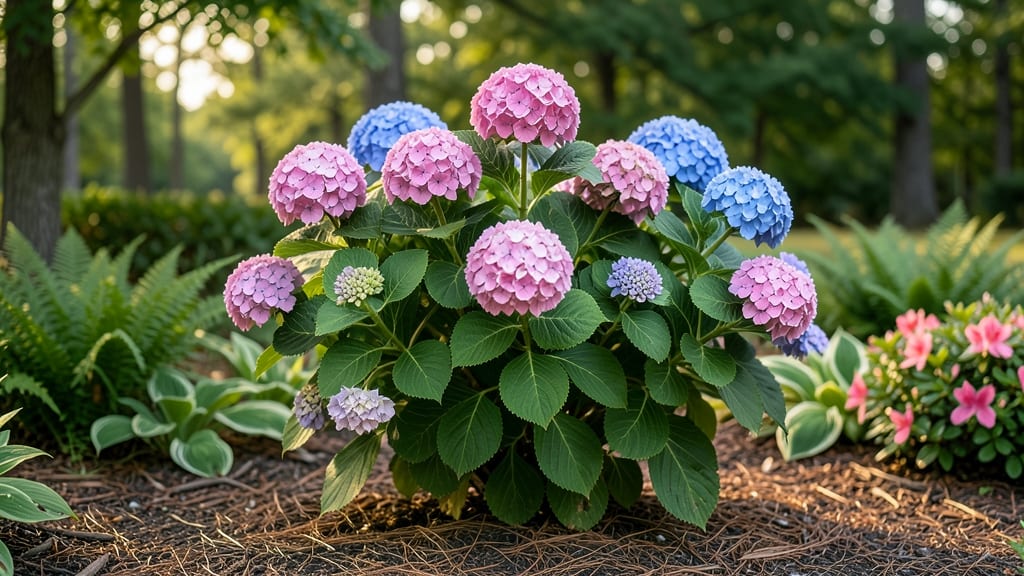
Hydrangeas bloom in Georgia between May and September, but the exact timing depends on the variety and your local heat zone.
Georgia’s humid summers and mild winters create the perfect conditions for hydrangeas—but timing their bloom depends on the variety and heat triggers.
If you’re dreaming of lush purple, pink, or blue blooms, knowing the exact months (and how to coax early flowers) could mean the difference between a stunning summer display and waiting months longer.
Bigleaf hydrangeas, like the popular Endless Summer, typically burst into color in late May to June, while oakleaf varieties often wait until July or August to shine. Panicle types, such as Limelight, may even extend blooms into September or October, giving you a longer show.
In this guide, you’ll discover how to read your hydrangea’s cues, adjust care for your specific zone, and even nudge blooms earlier—so you can enjoy those showstopping clusters all summer long.
Georgia hydrangea bloom times by variety: summer vs. late season
Georgia’s humid subtropical climate (USDA zones 7b-8b) creates ideal conditions for hydrangeas, but bloom timing varies dramatically by variety. While most hydrangeas thrive in Georgia’s heat, some varieties like Endless Summer bloom earlier, while others like Oakleaf shine in late summer.
Understanding these differences helps you plan for stunning summer displays or fall color extensions.
The key factor is heat triggers. Georgia’s late spring heat (May-June) often signals blooming for most varieties, but early bloomers like Annabelle may start as early as June, while late-season varieties like Limelight peak in August-September. Let’s break down the exact bloom windows for popular Georgia-friendly hydrangeas.
Comparison Table: Georgia Hydrangea Bloom Times by Variety
| Variety | Bloom Window | Peak Months | Heat Zone Adaptability | Color Range |
|---|---|---|---|---|
| Endless Summer | Late May - July | June | Zones 6-9 (reblooms on old wood) | Pink, Blue, Purple |
| Annabelle | June - August | July | Zones 3-9 (tolerates heat well) | White |
| Oakleaf | July - September | August | Zones 5-9 (late bloomer, fall color) | Pink, Red, Purple |
| Limelight | July - October | August-September | Zones 4-9 (late-season star) | Green (turns pink) |
| Panicle (e.g., Little Lime) | June - September | July-August | Zones 4-8 (heat-tolerant) | White, Cream, Pink |
| Vanille Fraise | July - October | August-September | Zones 5-9 (late bloomer, fragrant) | Green (turns pink) |
If you’re in North Georgia (Zone 7b), expect blooms to start 1-2 weeks later than in South Georgia (Zone 8b) due to cooler spring temperatures. For example, Endless Summer may bloom in late May in Zone 8b but wait until early June in Zone 7b.
This delay is critical when planning for wedding bouquets or landscape highlights.
For early bloomers like Annabelle, Georgia’s June heat acts as a trigger, pushing flowers to open by mid-June in most regions. These varieties are perfect if you want summer-long color without waiting for fall.
Meanwhile, late-season varieties like Oakleaf rely on fall temperature drops to produce their signature deep red foliage and extended blooms.
One common mistake in Georgia is assuming all hydrangeas bloom at the same time. Bigleaf hydrangeas (like Endless Summer) bloom on old wood, so pruning at the wrong time can eliminate next year’s flowers.
In contrast, panicle hydrangeas bloom on new wood, making them more forgiving for late-summer pruning. Always check your variety’s blooming habit before reaching for the shears!
To maximize blooms, provide morning sun and afternoon shade—critical in Georgia’s intense summer heat. Mulch with pine straw or wood chips to retain moisture and cool roots.
In Zone 8b, where summers are longest, deep watering 2-3 times per week prevents bud drop. For Zone 7b, reduce to weekly deep watering once established.
Pro tip: If your hydrangeas bloom late or sparsely, test your soil pH. Georgia’s clay-heavy soil often leans acidic (pH 5.0-6.0), which can limit color vibrancy.
Amend with lime (to raise pH) for blue flowers or sulfur (to lower pH) for pink blooms. Aim for pH 5.5-6.0 for optimal results.
For fall extensions, deadhead spent blooms on panicle varieties like Little Lime to encourage reblooming into October. In Zone 8b, some late bloomers may even surprise you with November flowers before frost. Pair Oakleaf with fall-blooming asters for a show-stopping autumn display.
Remember: Georgia’s first frost (mid-November) signals the end of the hydrangea season, but Oakleaf varieties often provide stunning fall foliage long after blooms fade. Plan your garden layout to highlight these seasonal transitions—early bloomers for summer, late bloomers for fall, and evergreen varieties for winter interest.
How to encourage earlier blooms in Georgia’s heat: pruning & care tips
Georgia’s heat can be both a blessing and a challenge for hydrangeas—while it triggers blooms, it also stresses plants if not managed properly. The key to earlier blooms lies in strategic pruning timing, soil preparation, and smart watering.
Many gardeners in USDA zones 7b-8b swear by these techniques to push blooms forward by 2-4 weeks without sacrificing plant health.
Most hydrangeas in Georgia bloom between June and September, but with the right care, you can coax May blooms from varieties like Endless Summer or Annabelle.
The secret starts with understanding your plant’s bloom type—mophead and lacecap varieties produce buds on old wood, while panicle types bloom on new wood. This distinction changes everything about pruning and care.
🌱 Georgia Hydrangea Pruning Calendar
✂️ Do: Prune mophead/lacecap varieties right after blooming (July-August) to shape without cutting next year’s buds. Panicle types can be pruned in late winter (Feb) for earlier blooms.
🚫 Don’t: Prune old wood bloomers in winter—you’ll remove next year’s flowers! Avoid heavy pruning before May when new growth is vulnerable to frost.
Georgia’s clay-heavy soil often needs amendments to support early blooming. Test your soil’s pH level—hydrangeas thrive between 5.2-6.0 for blue flowers or 6.0-7.0 for pink. Mix in 2-3 inches of compost or peat moss in early spring to improve drainage and nutrient availability.
For container-grown hydrangeas, use a well-draining potting mix with perlite to prevent root rot.
Watering is where many Georgia gardeners go wrong. Hydrangeas need consistent moisture, especially during drought-prone summer months. Deep water 2-3 times per week in June-August, focusing on the root zone.
Morning watering is critical—it reduces evaporation and fungal risks. Mulch with 3-4 inches of wood chips to retain moisture and regulate soil temperature, which encourages earlier bud formation.
For a heat-boost, apply a balanced fertilizer (10-10-10) in early May and again after blooming in July. Avoid high-nitrogen fertilizers—they promote leafy growth over flowers.
Instead, choose a low-nitrogen, high-phosphorus formula to stimulate blooming. Pair this with foliar sprays of seaweed extract every 2 weeks to strengthen plants against Georgia’s intense sun.
Don’t overlook the power of light management. While hydrangeas love partial shade, too much shade delays blooming. Place them where they get morning sun and afternoon shade, especially in zone 8b where afternoons can exceed 90°F.
If your hydrangeas are in full sun, provide dappled shade with a sheer curtain or nearby trees to protect delicate blooms while still encouraging growth.