
Trees
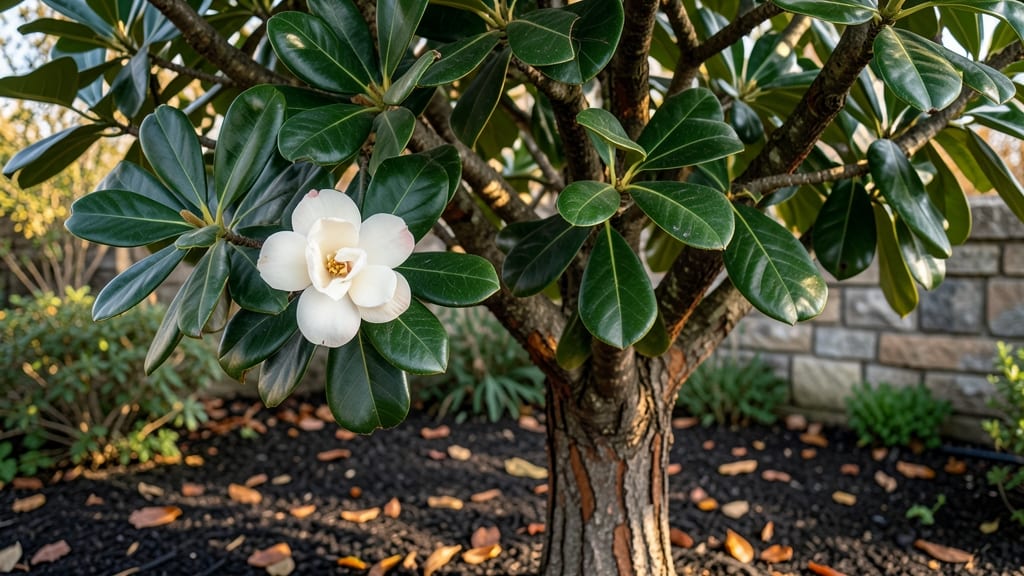
Magnolia trees in Georgia bloom between late February and early May 🌸, but the exact timing depends on the variety and your local microclimate.
Picture this: one week, your Southern Magnolia is still buttoned up like a tightly wrapped gift, while your neighbor’s Saucer Magnolia is already showering the air with perfume. That’s how wildly bloom windows can shift—even just a few miles apart.
In Zone 7b (North Georgia), frost risks can push blooms later, while Zone 8b (South Georgia) often sees earlier shows. Whether you’re planning a spring garden party or just want to time your pruning, knowing these differences is the key to never missing the show.
Below, I break down the bloom windows for Georgia’s most popular magnolias, climate factors that shift timing, and even a few tricks to encourage earlier (or later) blooms—so you can enjoy every petal.
Georgia magnolia bloom seasons by variety: Southern timelines explained
If you’ve ever strolled through a Georgia garden in spring, you know magnolias steal the show with their showstopping blooms and intoxicating fragrance. But here’s the catch: not all magnolias bloom at the same time.
Some burst into color in late winter, while others wait until early summer. Understanding these timelines helps you plan pruning, enjoy peak fragrance, and even extend your blooming season.
Georgia’s climate—warm winters in the south and cooler springs in the north—creates a diverse bloom calendar for magnolias. Whether you’re growing a Southern Magnolia in Savannah or a Star Magnolia in Atlanta, knowing your tree’s bloom window ensures you’re ready for nature’s spectacle.
Let’s dive into the specifics so you never miss a single petal drop.
🌸 SUMMARY TABLE: Georgia Magnolia Bloom Seasons by Variety
| Variety | Bloom Season | Peak Months | Notes |
|---|---|---|---|
| Southern Magnolia | Late Spring | May-June | Largest blooms; fragrance peaks at dusk |
| Saucer Magnolia | Early Spring | March-April | Early bloomer; cold-hardy |
| Star Magnolia | Late Winter | February-March | First to bloom; star-shaped flowers |
| Little Gem® | Mid-Spring | April-May | Compact; great for small yards |
| Cucumbertree Magnolia | Late Spring | May-June | Unique cucumber-shaped leaves |
| Jane Magnolia | Early Spring | March-April | Fragrant; disease-resistant |
The Southern Magnolia is Georgia’s iconic queen, but its blooms arrive late in the season—typically May through June—when the air is already warm. This timing makes it a summer fragrance star, though its massive, creamy-white flowers can also appear sporadically in fall.
If you love the classic Southern look, plant this variety where you can enjoy its intoxicating scent during evening strolls.
For those who can’t wait until spring, Star Magnolias and Saucer Magnolias are the early birds of the magnolia world. These varieties often bloom as early as February in South Georgia, sometimes even in late January if winters are mild.
Their bright pink or purple flowers provide a stunning contrast against bare branches. In North Georgia’s cooler zones, expect blooms to push back to March or April.
If you’re planning a garden that extends the blooming season, consider pairing an early bloomer like Star Magnolia with a late bloomer like Southern Magnolia. This creates a continuous floral display from February through June.
My own garden in Athens thrives with this combo—February’s Star Magnolia gives way to April’s Jane Magnolia, and by May, the Southern Magnolia’s grand entrance steals the show.
Climate plays a huge role in bloom timing. In South Georgia (Zone 8), where winters are milder, magnolias often bloom 2-3 weeks earlier than in North Georgia (Zone 7).
For example, a Saucer Magnolia in Savannah might bloom in late February, while the same variety in Dalton could wait until early April. Frost risks also matter—late bloomers like Southern Magnolias can suffer damage if a late spring frost hits after buds form.
Pro tip: If you want to encourage earlier blooms, plant your magnolia in a south-facing location with afternoon shade. Avoid heavy pruning in late winter, as this can delay flowering.
Instead, prune right after blooms fade to shape the tree without sacrificing next year’s flowers. Mulching in fall also helps regulate soil temperature, which can nudge blooms to arrive a bit sooner.
One variety that often surprises gardeners is the Cucumbertree Magnolia. While it shares the late spring bloom window with Southern Magnolias, its unique foliage and smaller flowers make it a standout.
The Little Gem®, a dwarf variety, is perfect for smaller yards and blooms in mid-spring, offering a compact way to enjoy magnolia beauty without the space requirements of larger varieties.
Finally, don’t overlook the fragrance factor. Southern Magnolias and Jane Magnolias are the most heavily scented, with their aroma peaking in the evening hours. If you’re planting near patios or walkways, these varieties will turn your outdoor space into a scented sanctuary.
For a more subtle fragrance, consider the Star Magnolia, which still offers a pleasant, though lighter, aroma.
Now that you know the bloom timelines, you can plan your garden like a pro. Whether you’re admiring the first Star Magnolia buds in February or savoring the last Southern Magnolia petals in June, Georgia’s magnolias deliver a season-long spectacle that
How Georgia’s climate zones affect magnolia blooming times
Georgia’s two distinct climate zones—Zone 7 in North Georgia and Zone 8 in South Georgia—create dramatic differences in magnolia bloom timing. A tree in Zone 7 might bloom weeks later than its Zone 8 counterpart, thanks to cooler temperatures and later frost risks.
Understanding these variations helps you plan pruning, fertilizing, and even landscape design around your magnolia’s unique schedule.
In North Georgia (Zone 7), magnolias often wait until late April to early May to bloom, while South Georgia (Zone 8) varieties may burst into color as early as mid-March. The difference isn’t just about warmth—it’s also about humidity levels, which can delay or accelerate bud development.
For example, the Southern Magnolia thrives in Zone 8’s higher humidity, blooming earlier, while Star Magnolias in Zone 7 may need extra care to push their timeline forward.
🌸
Zone 7 (North Georgia) vs. Zone 8 (South Georgia) Bloom Timing
Zone 7 (North Georgia)
- ✅ Pros: Longer growing season for established trees
- ✅ Pros: Lower humidity = fewer fungal risks
- ✅ Pros: Star Magnolias bloom reliably in May
- ❌ Cons: Late frost risk (up to March 15) can damage buds
- ❌ Cons: Blooms typically 3-4 weeks later than Zone 8
- ❌ Cons: Southern Magnolias may struggle with cooler springs
Zone 8 (South Georgia)
- ✅ Pros: Earlier blooms (as early as mid-March)
- ✅ Pros: Higher humidity supports lush foliage
- ✅ Pros: Southern Magnolias thrive with minimal stress
- ❌ Cons: Hotter springs can stress buds if watering is inconsistent
- ❌ Cons: Pests like lace bugs are more active
- ❌ Cons: Late frosts rare but possible in Zone 8a
Microclimates (e.g., near water bodies or urban heat islands) can shift bloom times by 1-2 weeks in either direction.
Microclimates play a surprising role in magnolia bloom timing. If your Zone 7 garden sits near a pond or creek, expect blooms to arrive 1-2 weeks earlier than average due to increased humidity.
Conversely, a Zone 8 yard with full sun exposure might see blooms delayed slightly if the soil stays too dry. To create an ideal microclimate, plant magnolias where they’ll receive morning sun and afternoon shade, especially in Zone 8’s hotter springs.
Frost is the biggest wildcard for North Georgia gardeners. A late frost in March can devastate early bloomers like Star Magnolias, while Southern Magnolias in Zone 8 rarely face this threat.
Protect vulnerable trees with frost cloth or strategically plant them near southeast-facing walls, which absorb heat and radiate it back to the tree. In Zone 8, focus on consistent watering during dry spells to prevent bud drop from heat stress.
For gardeners in transition zones (7b/8a), the key is selecting the right variety. Saucer Magnolias often bloom slightly earlier than Southern Magnolias, making them a safer bet for Zone 7b. Meanwhile, Little Gem Dwarf Magnolias in Zone 8 can handle the heat better than larger varieties.
Always check the USDA Zone map for your exact location—even a 5-mile elevation change can shift bloom times by a week or more.
🌿