
Pruning
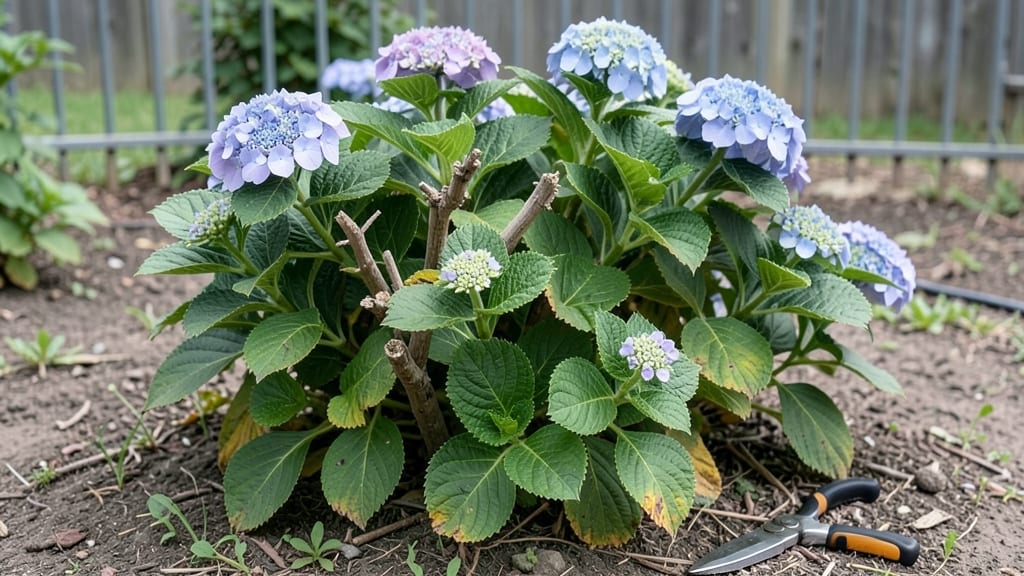
Pruning hydrangea blooms depends on the variety: trim old-wood types (like bigleaf or oakleaf) after they finish flowering in late summer or early fall, while new-wood varieties (such as panicle or smooth hydrangeas) should be pruned in late winter or early spring before buds swell. Always use sharp, clean shears and avoid over-pruning.
Timing matters because hydrangeas bloom on different types of stems—old-wood varieties (like bigleaf) produce flowers on last year’s growth, so cutting too early removes next season’s blooms. 🌿 Meanwhile, new-wood types (such as panicle hydrangeas) grow flowers on current season’s stems, making late winter the ideal window to shape them without risk.
I’ve seen gardeners accidentally prune at the wrong time and lose entire seasons of blooms, so knowing your variety is half the battle.
For old-wood types, wait until after the flowers fade and leaves turn brown—this signals the plant is done flowering for the year. New-wood varieties, however, respond best to a clean cut in late winter, just as buds begin to swell but before new growth starts.
This timing ensures you’re not removing potential blooms while giving the plant a fresh start for the season.
💡 In This Article
- Old-Wood vs New-Wood Hydrangeas: Key Pruning Differences
- Step-by-Step Hydrangea Pruning Guide by Season
Old-wood vs new-wood hydrangeas: key pruning differences
The core distinction between old-wood and new-wood hydrangeas lies in where they produce flowers. Old-wood types—like the iconic bigleaf hydrangea (Hydrangea macrophylla)—form flower buds on the previous year's stems during late summer and fall.
These buds remain dormant through winter, then burst into bloom in spring or early summer. If you prune these stems too early, you're essentially cutting off next year's flowers before they even form. 🌸
New-wood varieties, such as panicle hydrangeas (Hydrangea paniculata) or smooth hydrangeas (Hydrangea arborescens), develop their flower buds on current season's growth. This means they can be pruned in late winter or early spring without sacrificing blooms, as the buds haven't formed yet.
The key difference is in their dormancy cycles: old-wood types rely on last year's growth, while new-wood types regenerate annually. This biological distinction explains why timing matters so dramatically.
Here's what happens when you prune at the wrong time: For old-wood hydrangeas, cutting back in late winter removes the mature stems that hold next year's flower buds.
The plant may produce some new growth, but it won't bloom until it has time to develop new stems—meaning you could lose an entire season. For new-wood types, pruning too late in the season (after buds swell) risks removing potential blooms before they open.
The science is simple: timing aligns with the plant's natural growth rhythm.
Seasonal growth patterns also play a role. Old-wood hydrangeas typically flower on 1-2 year old wood, while new-wood types bloom on stems that are less than 1 year old.
This means old-wood varieties need their stems to mature over winter, while new-wood types can be aggressively pruned each year without harm. The optimal pruning window for old-wood types is after the first frost when leaves have browned, signaling the plant has finished its growing cycle for the year.
Consider the panicle hydrangea as an example: Its flowers develop on current season's shoots, so a hard prune in late winter (around February-March) encourages vigorous new growth that will bloom later in summer.
Meanwhile, a bigleaf hydrangea pruned at the same time would lose its flowers entirely, as the buds formed on last year's stems are already gone. This is why gardeners often see panicle hydrangeas thriving after winter cuts while bigleaf varieties struggle.
What most people don't realize is how temperature and daylight hours trigger these growth patterns. Old-wood hydrangeas rely on a period of cold dormancy to set flower buds, while new-wood types respond to warming temperatures in spring.
This is why late summer/fall pruning works for old-wood varieties—the plant has already experienced its cold period and is ready to prepare for next year's blooms. For new-wood types, the focus shifts to removing dead or weak growth before the plant wakes up in spring.
The takeaway? Understanding your hydrangea's blooming habit is the first step to successful pruning. Old-wood types need patience and timing, while new-wood varieties offer more flexibility.
Both require clean cuts and proper tools, but the biological clock of each variety dictates when you can safely prune without risking next season's flowers. 🌿