
Blooming
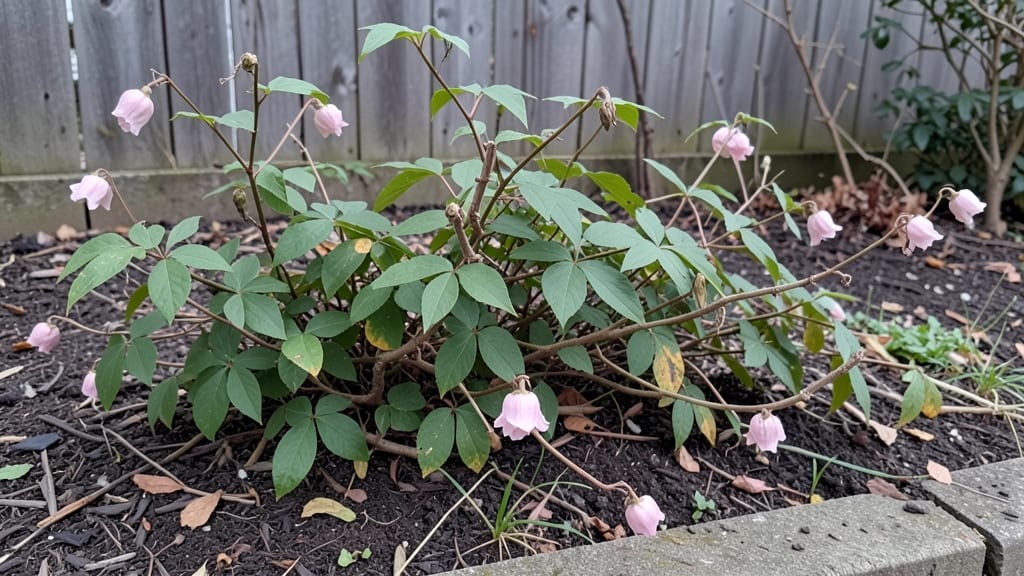
Winter blooming clematis 🌸 thrives in cold climates, bringing vibrant color to your garden even when frost paints the ground white.
Imagine a garden bursting with color even when snow blankets the ground—winter-blooming clematis makes this dream a reality, defying cold climates with stunning, frost-resistant blooms.
If you've ever thought winter gardens were doomed to dullness, think again. These hardy vines not only survive but thrive in zones like 6a, offering year-round interest with minimal fuss.
In this guide, I’ll share the secrets to selecting cold-resistant varieties, mastering pruning for winter blooms, and keeping your clematis healthy through frost and thaw.
How to identify and select the best winter-blooming clematis varieties
Winter-blooming clematis varieties bring unexpected color to your garden when most plants are dormant. These hardy vines thrive in USDA zones 4-9 and bloom from late fall through early spring, offering fragrant, frost-resistant flowers. Choosing the right variety ensures year-round interest and minimal winter care.
Not all clematis varieties bloom in winter—only a few cold-hardy species like Clematis cirrhosa and Clematis montana deliver winter color. These plants feature small, star-shaped blooms that appear even under snow. Their woody stems and evergreen or semi-evergreen foliage add texture to winter landscapes.
Here’s a quick comparison of the top winter-blooming clematis varieties to help you select the perfect one for your garden:
Clematis cirrhosa is the most popular winter bloomer, with varieties like 'Freckles' and 'Winter Beauty' offering bright, fragrant blooms that appear even in sub-zero temperatures. These plants thrive in partial shade and are ideal for trellises or arbors where their delicate flowers can cascade.
If you prefer taller vines, Clematis montana varieties like 'Grandiflora' climb to 20 feet and produce abundant white flowers with a powerful fragrance. They’re perfect for covering fences or pergolas and bloom earlier in the season than other winter clematis.
For mild climates (USDA zones 7-9), Clematis armandii is a fast-growing evergreen with leathery leaves and late-winter blooms. Its woody stems make it ideal for shrub-like training or as a privacy screen. However, it’s less cold-hardy than Clematis cirrhosa.
When selecting a variety, consider your garden’s microclimate and available support structures. Smaller varieties like 'Winter Beauty' work well in containers or small trellises, while tall climbers like 'Grandiflora' need stronger supports like wooden arbors or metal trellises.
Fragrance is another key factor—Clematis montana and Clematis cirrhosa 'Alba' offer the most intense scents, perfect for scent gardens or winter fragrance. If you’re in USDA zone 4 or colder, opt for 'Winter Beauty' or 'Freckles', as they handle harsh winters better than other varieties.
Pro tip: Pair winter-blooming clematis with evergreen shrubs like boxwood or holly to create a year-round interest focal point. Their contrasting textures and colors will keep your garden vibrant even in the coldest months.
🌸
Step-by-step guide to growing winter-blooming clematis in cold climates
Winter-blooming clematis thrives in cold climates with the right care, offering fragrant blooms even when temperatures drop. The key lies in proper planting depth, mulching techniques, and seasonal pruning to protect delicate stems from frost damage.
Unlike summer varieties, these cold-hardy plants need extra insulation during winter dormancy while still requiring full sun exposure for vibrant flowers.
Before planting, choose a location with 6+ hours of sunlight and well-draining soil. Amend heavy clay soil with compost or perlite to prevent waterlogging, which can rot roots. Planting in fall (September-October) gives roots time to establish before winter, while spring planting (March-April) works in milder climates.
Always bury the crown 4-6 inches deep to protect it from freezing temperatures.
Prepare the Soil
Test soil pH (aim for 6.0-7.0) and mix in 3 inches of compost or aged manure. Add bone meal (5 tbsp per plant) for phosphorus to encourage root growth. Avoid fresh manure, which can burn roots.
Plant at Correct Depth
Dig a hole twice as wide as the root ball. Place the plant so the crown sits 4-6 inches below soil level. Backfill with native soil, tamping gently to remove air pockets. This depth protects the crown from frost heave.
Install Support Structure
Use a trellis, arbor, or sturdy wire frame before planting. Clematis vines need vertical support to climb and thrive. Secure the structure firmly—winter winds can damage weak supports.
Apply Mulch Heavily
Spread 4-6 inches of organic mulch (straw, shredded leaves, or pine needles) around the base. This insulates roots during winter and retains moisture. Replenish mulch annually in late fall.
Water Deeply Before Frost
Give plants a deep soak (2-3 gallons) 2 weeks before the first frost. This hydrates roots before dormancy. Reduce watering in winter to once monthly unless soil is bone-dry.
Prune in Late Winter
Prune after the last frost (USDA Zone 6a: mid-April). Remove dead or weak stems and cut back last year’s growth to 2-3 buds from the base. Avoid heavy pruning in fall—it reduces winter hardiness.
Fertilize Strategically
Apply a balanced fertilizer (5-10-10) in early spring as new growth appears. Use half-strength applications in summer to avoid overstimulating foliage before winter. Skip fall fertilization entirely.
Winter-blooming clematis rewards patience with early spring flowers and late-season color. To encourage blooms, avoid over-fertilizing with nitrogen, which promotes leafy growth at the expense of flowers.
Instead, focus on phosphorus-rich fertilizers to support blooming. Protect young plants from deer and rabbits with wire mesh or repellents, as they love tender new growth.
If your climate experiences harsh winters (below 0°F), consider wrapping the base of the plant with burlap or frost cloth for extra protection. Remove wraps in early spring once temperatures stabilize above freezing.
With these steps, your winter-blooming clematis will thrive year after year, turning your garden into a winter wonderland. 🌿