
Blooming
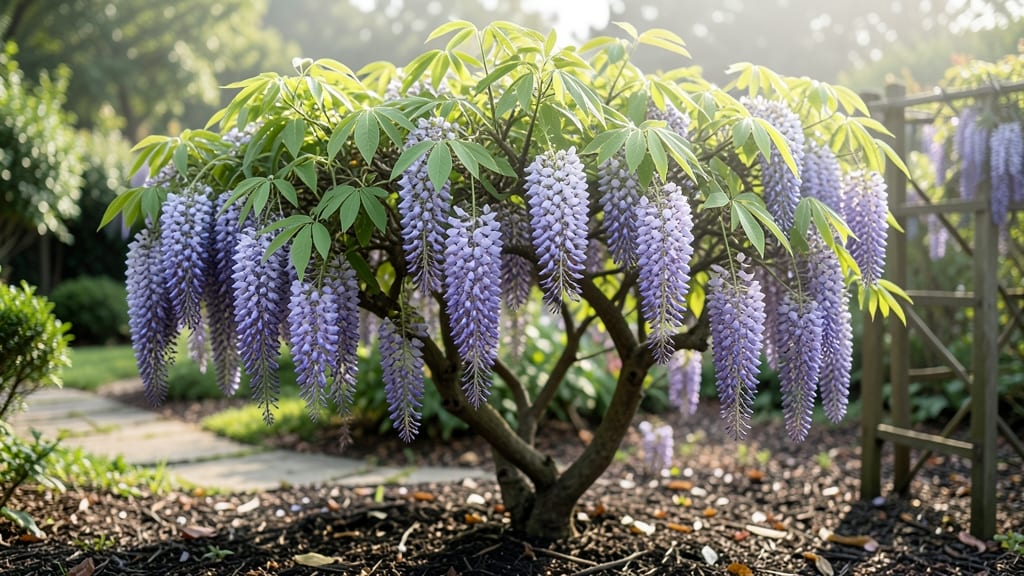
Wisteria blooms in spring or fall, depending on the variety, and getting the timing right means the difference between a showstopping display and a bare vine.
Picture this: your trellis heavy with fragrant 🌸🌸🌸 clusters, or worse, nothing but leaves. The secret lies in choosing the right type—some burst into flower by May, while others wait until September. Most gardeners don’t realize their wisteria’s potential until they learn these key differences.
In this guide, I’ll break down the exact bloom windows for spring and fall varieties, how climate and pruning affect timing, and the simple adjustments you can make to guarantee those lush, fragrant blooms year after year.
Whether you’re in zone 6a or further south, you’ll find out which wisteria suits your garden best—and how to coax it into flowering on schedule, no matter the season.
Spring-blooming Wisteria varieties and their exact bloom time frames
If you’ve ever dreamed of waking up to fragrant wisteria blooms cascading like purple waterfalls, timing is your secret weapon. The two classic spring-blooming wisterias, Wisteria sinensis and Wisteria floribunda, follow predictable—but not identical—timelines.
Understanding their bloom windows helps you plant, prune, and even predict fragrance peaks with confidence.
Most gardeners assume all wisterias bloom in spring, but regional climates and hardiness zones shift those timelines dramatically. For example, a Wisteria floribunda in Zone 7 might burst into color by mid-April, while the same variety in Zone 9 could wait until late May.
These differences aren’t just academic—they dictate when to prune, fertilize, and even enjoy your wisteria’s fragrance at its peak.
Here’s the exact breakdown of when to expect blooms, plus how to adjust care for your USDA hardiness zone. Whether you’re in Zone 3’s harsh winters or Zone 9’s mild springs, this guide ensures you’ll never miss a single wisteria bloom.
| Variety | Hardiness Zones | Typical Bloom Window | Regional Adjustments | Fragrance Notes |
|---|---|---|---|---|
| Wisteria sinensis | 5–9 | Late April–early May | Zones 5–6: 1–2 weeks later; Zones 8–9: 1–2 weeks earlier | Sweet, intoxicating, strongest in morning |
| Wisteria floribunda 'Amethyst Falls' | 6–9 | Mid-May–early June | Zones 6–7: 1 week later; Zone 9+: May extend to July | Light vanilla, less intense than sinensis |
| Wisteria floribunda 'Royal Purple' | 4–8 | Early May–mid-June | Zone 4: Blooms 2–3 weeks later; Zone 8: May bloom twice | Rich, spicy-sweet, lingers into evening |
| Wisteria floribunda 'Prolific' | 5–9 | Late April–early May | Zone 5: 1 week later; Zone 9: May bloom in February | Mild, honey-like, less overpowering |
Notice how Wisteria floribunda varieties like 'Amethyst Falls' and 'Royal Purple' often bloom later than Wisteria sinensis? This isn’t just a coincidence—it’s tied to their native climates. W. sinensis hails from China’s temperate zones, where early springs trigger blooms.
Meanwhile, W. floribunda, native to Japan’s cooler, wetter climate, waits for soil warmth to kickstart growth.
Your local microclimate plays a bigger role than you might think. For instance, a Wisteria floribunda in Zone 7’s Appalachian Mountains could bloom 3 weeks later than one in Zone 7’s Tennessee Valley due to cooler nights. To predict
Fall-blooming Wisteria: rare varieties that defy seasonal norms
While most gardeners associate wisteria with springtime blooms, two standout varieties—Wisteria brachybotrys and Wisteria venusta—thrive in fall, offering a stunning late-season spectacle. These rare beauties extend your garden's interest well into autumn, when other plants begin to fade.
Their fragrant flowers and longer bloom duration make them perfect for climbers, pergolas, or trellises in USDA zones 5–9.
Unlike their spring-flowering cousins, fall-blooming wisterias produce vibrant purple or lavender blooms from September to November, often lasting 4–6 weeks when conditions are ideal. Their scented flowers also tend to be more intense than spring varieties, adding a sensory delight to your garden.
However, their unique bloom cycle requires specific care adjustments to ensure success.
Fall-Blooming Wisteria: Key Considerations
✅ Pros
- Extended bloom season (Sept–Nov)
- Stronger fragrance than spring types
- Less competition for garden attention
- Drought-tolerant once established
❌ Cons
- Slower growth in cooler months
- Requires winter protection in zones <5
- Less common in nurseries
- Pruning timing critical for next year’s blooms
Wisteria brachybotrys, native to Japan, is the most cold-hardy fall bloomer, thriving in zones 5–9 with minimal fuss. Its dark purple blooms appear in late September and persist until frost, often accompanied by a sweet jasmine-like scent. To encourage robust flowering, plant it in full sun with well-draining soil and provide a sturdy trellis—its vines can reach 20–30 feet if unchecked.
For a lighter, more delicate look, Wisteria venusta offers lavender-pink blooms that emerge in October and last until mid-November. This variety is slightly less cold-hardy (zones 6–9) but rewards gardeners with longer-lasting flowers and a softer, more romantic fragrance.
Both varieties benefit from annual pruning in late winter to shape growth and remove dead or crossing branches.
One key difference between fall and spring wisterias is their response to pruning. Fall bloomers produce flowers on new wood, so avoid heavy pruning in late winter—focus instead on light shaping in early spring to avoid cutting off next year’s blooms.
Mulch heavily in fall to protect roots from freezing temperatures, and water deeply but infrequently during drought periods to prevent stress.
If you love wisteria but want to break the spring-only mold, these fall varieties deliver year-round interest with minimal extra effort. Pair them with autumn shrubs like crape myrtle or ornamental grasses to create a stunning seasonal display.
Just remember: patience is key—fall-blooming wisterias may take 3–5 years to reach their full flowering potential.
🌿