
Succulent
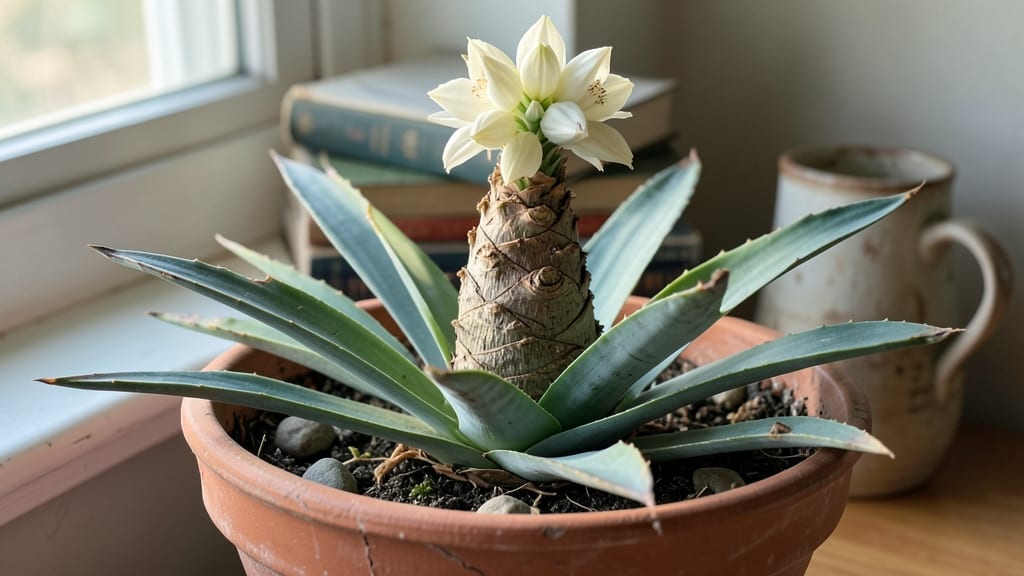
Yuccas in bloom transform your garden into a striking summer show with their towering spikes of creamy-white flowers 🌵 — but not every plant will deliver that spectacle.
You might have a thriving yucca that’s never once sent up a bloom, leaving you wondering if you’re missing something. The truth? Timing, care, and a little patience are the keys to unlocking those dramatic flower spikes.
In this guide, I’ll walk you through the exact conditions your yucca needs to bloom—from sunlight and soil to stress tricks that surprisingly work—plus what to do once those flowers appear.
Whether you’re a beginner or a seasoned gardener, you’ll learn how to encourage blooms and keep your yucca healthy for years of stunning displays.
When do yuccas bloom: seasonal timing & age factors
Yuccas are stunning desert plants known for their dramatic spike-like flower stalks that emerge in late spring or early summer. But timing varies based on your USDA hardiness zone, plant age, and local climate.
Most yuccas bloom between May and July, with some varieties flowering as early as April in warmer regions like Zone 9 or 10. Understanding these patterns helps you set realistic expectations and create ideal growing conditions.
Age plays a critical role in yucca flowering. Young plants often take 3 to 5 years to mature enough for their first bloom. Even then, they may only produce a single flower stalk.
Once established, mature yuccas (typically 5+ years old) can develop multiple 6-foot-tall flower spikes annually. Patience is key—don’t rush the process with overwatering or excessive fertilization, as this can delay blooming.
The summary table below breaks down key factors influencing yucca bloom timing, including seasonal peaks, age requirements, and regional variations.
| Factor | Details | Notes |
|---|---|---|
| Seasonal Peak | Late spring to early summer | May–July in most zones; April in warm climates |
| Minimum Age for Blooms | 3–5 years | First bloom often single; multiple spikes at 5+ years |
| USDA Zone 6–7 Timing | June–early July | Cooler climates delay blooms until after last frost |
| USDA Zone 8–10 Timing | April–May | Warmer climates trigger earlier, longer blooms |
| Flower Spike Height | 3–6 feet tall | Taller spikes = more mature, established plants |
| Bloom Duration | 2–4 weeks | Individual flowers last 1–2 days; spikes bloom sequentially |
Climate variations significantly impact bloom timing. In arid regions like Arizona or Nevada, yuccas often bloom as early as March, taking advantage of the mild winter and early spring warmth.
Conversely, in cooler zones like New England or the Pacific Northwest, blooms typically wait until June or July, aligning with the last frost date. Pay attention to your local last frost date—yuccas need consistent warmth to trigger flowering.
Yucca varieties also show differences in timing. Yucca filamentosa (Adam’s needle) often blooms in early summer, while Yucca gloriosa (Spanish dagger) may wait until late summer. Even within the same species, individual plants can vary by 1–2 weeks in bloom onset.
If your yucca isn’t flowering on schedule, check for adequate sunlight exposure (6+ hours daily) and well-draining soil—these are the two biggest factors affecting bloom triggers.
Another critical factor is dormancy cycles. Yuccas native to desert climates enter a brief dormancy in late summer or early fall. This rest period is essential for energy storage, which fuels next year’s blooms.
If you live in a humid climate, like the Southeast, your yucca may experience less pronounced dormancy but still needs reduced watering in winter to mimic natural conditions. Overwatering during dormancy can prevent flowering entirely.
For gardeners in container-grown yuccas, bloom timing can shift slightly due to root restrictions. Potted yuccas may bloom 1–2 weeks later than in-ground plants because their root systems are less established. To encourage earlier blooms, repot mature yuccas into slightly larger containers every 2–3 years to stimulate root growth.
Just ensure the pot has drainage holes—yuccas hate soggy roots, which can delay or prevent flowering.
If your yucca is 5+ years old but still hasn’t bloomed, it might be struggling with nutrient deficiencies or poor drainage. A light application of low-nitrogen fertilizer (like a 5-10-10 blend) in early spring can help.
Avoid high-nitrogen fertilizers, which promote leafy growth at the expense of flowers. Instead, focus on phosphorus and potassium to support bloom development.
Finally, remember that yuccas are notoriously unpredictable when it comes to blooming. Even healthy, mature plants may skip a year here or there. Don’t panic if your yucca takes a break—consistent care and patience will pay off with stunning spikes in the years to come.
The key is to provide the right conditions and let nature take its course.
How to trigger yucca blooms: proven care secrets
Yuccas are famously slow to bloom, but with the right care, you can encourage those dramatic creamy-white flower spikes to appear. The key lies in mimicking their natural growing conditions—especially sunlight exposure and controlled stress.
Most yuccas need 5+ years to mature enough for blooming, but proper care can speed up the process.
First, ensure your yucca gets 6+ hours of direct sunlight daily. Without enough light, the plant won’t have the energy to produce flowers. If growing indoors, place it near a south-facing window or use a grow light for 12+ hours/day. Even partial shade can delay blooming significantly.
⚠️ Overwatering Kills Bloom Potential
Yuccas thrive on drought stress, which triggers flowering. Overwatering causes root rot and prevents blooms. Let soil dry completely between waterings—even in pots. In USDA Zones 7-10, reduce watering in summer months to encourage blooming.
Next, use a low-nitrogen, high-phosphorus fertilizer (like 5-10-10) to promote flowering. Apply it twice in spring—once in March and again in May. Avoid high-nitrogen fertilizers, which encourage leafy growth at the expense of flowers. Organic options like bone meal work well too.
For established yuccas, try a controlled drought period in late winter. Reduce watering for 6-8 weeks before the growing season to simulate natural dry spells. This stress signals the plant to focus energy on blooming. After blooms appear, resume normal watering to support flower health.
Finally, prune old or damaged leaves in early spring to redirect energy toward new growth and flowering. Avoid heavy pruning, as yuccas store energy in their leaves. If your yucca hasn’t bloomed in 3+ years, it may need repotting in well-draining soil with added perlite or sand.
With these sunlight, water, and fertilizer adjustments, your yucca will reward you with stunning 6-foot-tall flower spikes in late spring or summer. 🌵