
Blooming
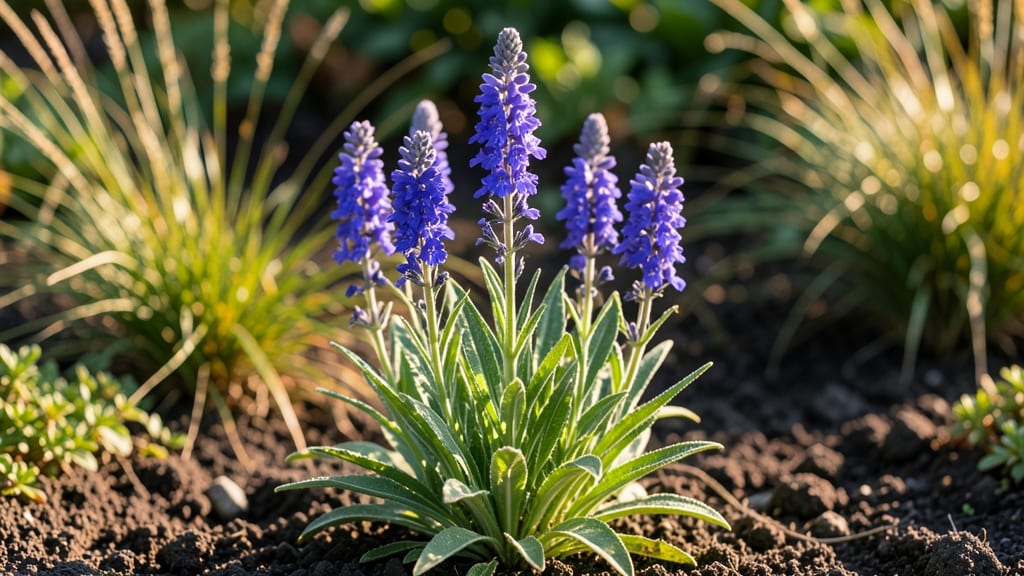
Yes, Speedwell does bloom all summer in many varieties, particularly heat-tolerant types like Veronica chionanthos or Veronica prostrata, which continue flowering through warm months and often produce new blooms after deadheading. Cool-season types may struggle in intense heat unless pruned carefully.
Speedwell's summer-long blooming depends entirely on the variety you choose. 🌿 Heat-loving types like Veronica incana produce clusters of tiny blue or purple flowers that respond to warm temperatures by triggering continuous reblooming—some even thrive in 90°F+ conditions.
The key is deadheading spent blooms regularly, which encourages new flower production by redirecting the plant's energy. For cool-season varieties, strategic pruning in early summer can help them recover and extend their bloom season, though they may still take a break during extreme heat waves.
What makes these plants so reliable is their natural resilience. Many Speedwell species evolved in Mediterranean climates where summer droughts are common, so they've developed mechanisms to conserve water while still producing flowers.
This adaptability makes them perfect for gardeners in hot regions who want low-maintenance, long-blooming perennials. Just remember: consistent moisture during their active growth phase will keep them flowering their best.
💡 In This Article
- Heat-Triggered Reblooming Mechanics in Speedwell
- Best Speedwell Varieties for Year-Long Color
Heat-triggered reblooming mechanics in Speedwell
Speedwell's ability to bloom continuously throughout summer stems from its physiological response to heat and light exposure. When temperatures rise above 75°F, these plants enter a growth phase where they prioritize flower production over foliage.
The key mechanism involves ethylene gas—a plant hormone that triggers flowering in response to warmth and stress. This is why heat-tolerant varieties like Veronica chionanthos produce dense clusters of blooms even when other plants wilt. 🔥
The plant's photoperiod sensitivity also plays a crucial role. Speedwell varieties adapted to long summer days (14+ hours of sunlight) interpret extended daylight as a signal to keep blooming rather than entering dormancy.
For example, Veronica prostrata maintains active growth when exposed to 6-8 hours of direct sunlight daily, while shade-loving types may require supplemental light to trigger reblooming. The combination of warmth and light creates an ideal environment for continuous flower production.
Pruning techniques directly influence this process by manipulating the plant's energy allocation. When you remove spent blooms (deadheading), you eliminate the plant's natural signal to conserve resources for seed production. This redirection of energy toward new growth stimulates the production of auxin hormones, which promote lateral bud development.
Regular deadheading every 7-10 days during peak bloom periods can extend flowering by 4-6 weeks in heat-tolerant varieties.
Water management also affects reblooming success. While Speedwell plants are drought-tolerant, they require 1-1.5 inches of water weekly during active growth to maintain flower production. The roots develop deep in search of moisture, which helps the plant withstand heat stress while continuing to bloom.
In contrast, cool-season varieties may exhibit stunted growth when soil temperatures exceed 85°F, as their root systems struggle to absorb sufficient moisture.
Another fascinating mechanism is the plant's ability to adjust its metabolism based on temperature fluctuations. During heatwaves, Speedwell enters a semi-dormant state where it conserves water while maintaining minimal flower production.
Once temperatures drop below 80°F at night, the plant resumes active growth and flowering. This adaptive behavior explains why many varieties continue blooming through summer's hottest periods with minimal care.
For gardeners in hot climates, understanding these mechanisms allows for strategic care. Mulching with 2-3 inches of organic matter helps regulate soil temperature, while morning watering prevents evaporation and maintains consistent moisture levels. The result is a plant that continues producing vibrant blooms while adapting to summer's challenges. ✨
What most gardeners don't realize is that Speedwell's reblooming ability extends beyond just heat tolerance. The plant's natural resilience includes mechanisms to handle occasional drought and even light frost, making it one of the most adaptable perennials for summer gardens.
This combination of heat-triggered reblooming and stress tolerance explains why Speedwell remains a favorite among gardeners seeking reliable summer color. 💫