
Blooming
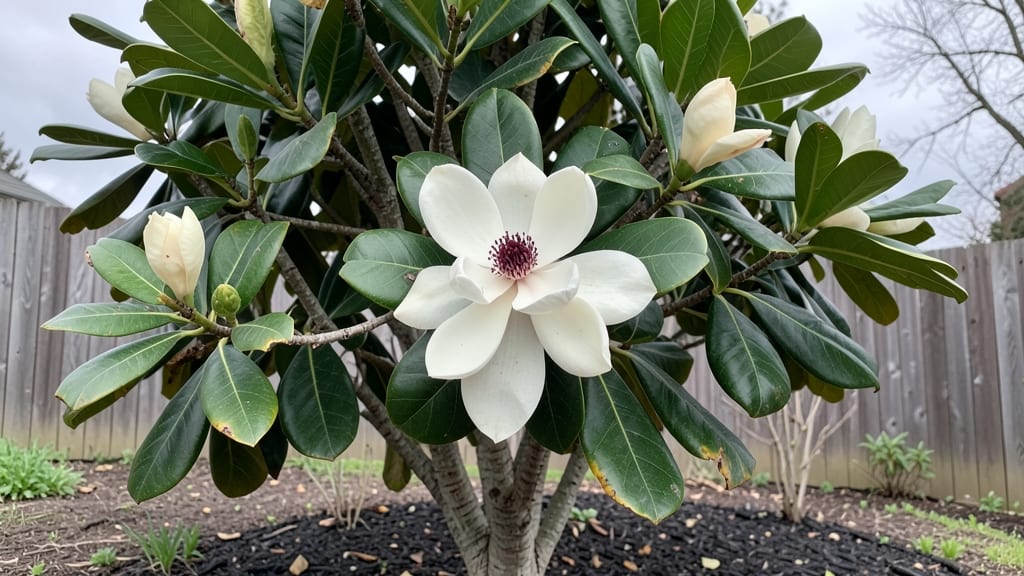
Magnolia trees bloom for 3 to 14 days, depending on the variety, with early bloomers like Magnolia stellata lasting 5-7 days and late varieties such as Magnolia grandiflora extending up to two weeks. Peak bloom typically occurs in spring, though timing varies by species and climate.
Understanding bloom duration helps you appreciate why some magnolias are prized for their fleeting but spectacular displays. 🌸 For instance, Magnolia stellata—the star-shaped variety—often bursts into bloom in early spring, offering just a week of delicate, fragrant flowers, while Magnolia grandiflora lingers longer due to its thick, leathery leaves that shield buds from harsh weather.
What’s fascinating is how climate plays a role: cooler regions may see shorter blooms due to early frost risks, whereas milder zones can extend the show by a few days.
If you're planning a garden around magnolias, timing is everything. Some varieties, like Magnolia × loebneri, are bred specifically for their extended bloom periods—up to two weeks—making them ideal for those who want prolonged color.
Proper care, such as avoiding heavy pruning during dormancy and ensuring well-draining soil, can also help coax out a few extra days of those stunning, creamy-white or pink blossoms.
💡 In This Article
- Factors Influencing Magnolia Bloom Duration
- Best Magnolia Varieties for Extended Flower Displays
Factors influencing Magnolia bloom duration
Here's what's actually happening inside those stunning magnolia buds: their bloom duration is primarily controlled by a combination of genetics and environmental triggers. Each magnolia species carries a built-in biological clock that determines how long its flowers will stay vibrant.
For example, Magnolia stellata has a shorter genetic program—its blooms naturally last 5-7 days—while Magnolia grandiflora's thicker petals and protective foliage allow for up to 14 days of display.
The key factor is how quickly the flower's reproductive organs mature and begin to senesce, a process influenced by temperature-sensitive enzymes that trigger petal drop.
Temperature fluctuations play a dramatic role in extending or cutting short the bloom period. Ideal daytime temperatures of 60-75°F create perfect conditions for magnolias, allowing their flowers to open fully and stay fresh.
However, sudden temperature swings—like late spring frosts below 32°F—can shock the blooms into dropping within 24 hours. Conversely, heatwaves above 85°F accelerate the flower's metabolic processes, causing them to wilt faster.
This is why gardeners in Southern climates often see shorter bloom periods compared to those in temperate zones where gradual temperature changes occur.
Sunlight exposure directly impacts bloom duration through a process called photoperiodism. Magnolias require 6-8 hours of direct sunlight daily to maintain healthy blooms, but too much intense afternoon sun (especially in hot climates) can cause petals to crisp and fall prematurely.
The balance is delicate: partial shade during peak afternoon hours helps preserve moisture in the petals, potentially adding 2-3 extra days to the bloom cycle. This explains why magnolias planted near deciduous trees often bloom longer than those in full sun exposures.
Soil moisture levels create another critical variable. Magnolia roots need consistently moist but well-draining soil—too much water causes root rot and weakens the plant's ability to sustain blooms, while drought stress forces flowers to drop faster.
The ideal soil moisture maintains 40-60% humidity around the root zone, which helps the plant allocate energy toward flower maintenance rather than stress responses. Mulching with 3-4 inches of organic material helps regulate soil moisture and temperature, creating optimal conditions for extended blooming.
What most people don't realize is how wind patterns affect bloom duration. Strong winds exceeding 15 mph physically damage petals and accelerate water loss through transpiration, cutting bloom time by nearly half. This is why coastal magnolias often have shorter bloom periods compared to their inland counterparts.
Strategic planting near windbreaks—like evergreen hedges or fences—can add 3-5 days to the flowering window by reducing mechanical damage and maintaining stable microclimates around the blooms.
Finally, the plant's overall health plays a foundational role. Magnolias that receive balanced fertilization (with equal parts nitrogen, phosphorus, and potassium) during their dormant season produce stronger stems and more resilient blooms. This investment in plant vigor can extend bloom duration by up to 40% compared to underfed specimens.
The science here is straightforward: healthier plants have more energy reserves to allocate toward flower maintenance during their critical blooming window.
Understanding these factors means you can actively extend your magnolia's bloom period by creating optimal growing conditions. Start with proper species selection for your climate, then fine-tune the environmental factors you can control—like soil moisture, wind protection, and gradual temperature transitions.
With these adjustments, you might just coax an extra week out of those breathtaking spring displays. 🌸