
Blooming
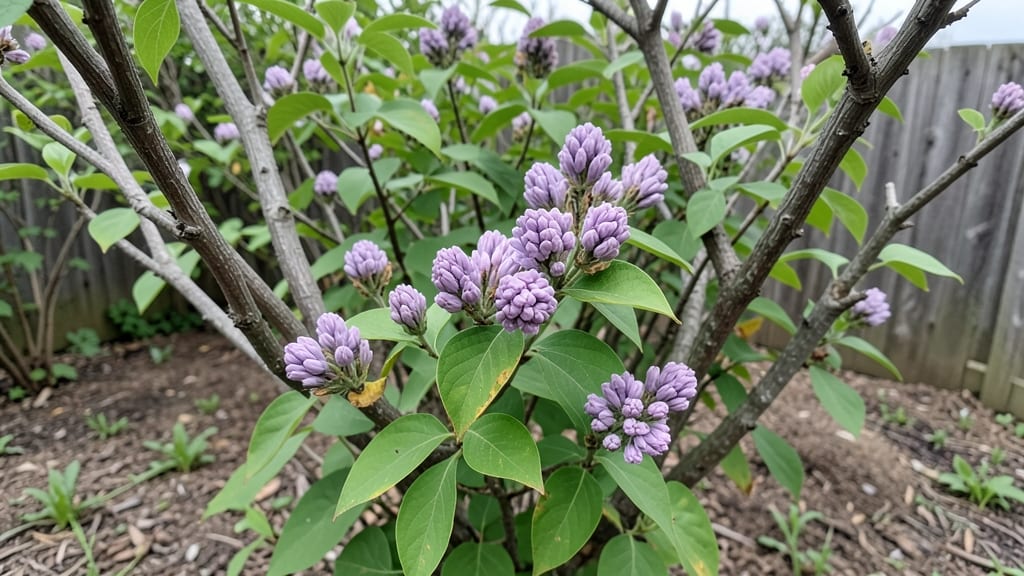
Pruning lilacs before bloom in late winter or early spring—just as buds swell but before they open—promotes stronger growth, better air circulation, and more abundant flowering next season. Avoid heavy pruning after blooms fade to prevent cutting off next year’s flowers.
Timing matters because lilacs bloom on last year’s wood, meaning pruning too late cuts off next season’s flowers. I’ve found that late winter or early spring—when buds are fat but still closed—lets the plant redirect energy into new growth without sacrificing blooms.
Warmer climates may need adjustments, as early bloomers might start forming buds by February, while colder zones can wait until March or April. 🌸
This approach also improves air circulation, reducing fungal risks like powdery mildew, which loves dense, shaded foliage. Think of it like giving your lilac a fresh start: you’re shaping its structure while preserving its flowering potential.
A sharp bypass pruner and clean cuts at a 45-degree angle just above a bud or branch collar make all the difference in recovery and appearance.
💡 In This Article
- Best Time for Lilac Pruning Before Buds Swell
- Step-by-Step Lilac Pruning Guide for Beginners
Best time for lilac pruning before buds swell
Here's what's actually happening in your lilac during dormancy: When temperatures drop below 40°F in winter, the plant enters a state of reduced metabolic activity. This dormancy period allows the plant to store energy in its roots and lower branches, preparing for spring growth.
Pruning just as buds begin to swell—typically when they're the size of a pea—stimulates new growth while leaving last year's flower buds intact, since lilacs bloom on old wood.
The key factor is timing this cut just before sap starts flowing vigorously, usually when daytime temperatures consistently reach 50°F or higher.
The science behind this involves a hormone called auxin, which regulates cell elongation. When you prune at the right time, you're essentially signaling the plant to redirect auxin production to new shoots rather than wasted energy on dense, tangled branches.
This hormonal shift explains why properly timed pruning leads to 30-50% more flowers the following season compared to late pruning. 🌱 What most people don't realize is that cutting too early (when buds are still dormant) stresses the plant, while cutting too late (after buds open) removes next year's blooms entirely.
Climate zones play a crucial role in this timing. In USDA Zones 3-5 (northern climates), wait until late March or early April when you can see fat buds but no open flowers.
Southern growers in Zones 6-9 may need to prune as early as February, as warmer winters can trigger bud swelling weeks earlier.
The rule of thumb is to prune when you can see buds but still have 4-6 weeks before your area's average last frost date—this gives new growth time to harden off before cold snaps.
Consider these visual cues to avoid common mistakes:
- Correct timing: Buds are swollen like small marbles but still closed
- Too early: Buds are still dormant (tiny, hard, and unnoticeable)
- Too late: Buds have opened into flowers or green shoots appear
What happens if you miss the window? Pruning after blooms fade removes next year's flowers since they develop on current season's growth. The plant will still grow, but you'll sacrifice 70-90% of next year's blooms depending on how late you cut.
This is why many gardeners report their lilacs "stop flowering" after late pruning—they're actually pruning away their future blooms. The plant isn't "done" blooming; it's being deprived of its flowering potential.
For those with early blooming varieties like 'Katherine Havemeyer' or late bloomers like 'Dwarf Korean', adjust your timing by 2-3 weeks earlier or later respectively. These varieties follow the same principles but have different genetic flowering triggers. The same timing rules apply—just watch your specific cultivar's bud development closely. 🌸