
Blooming
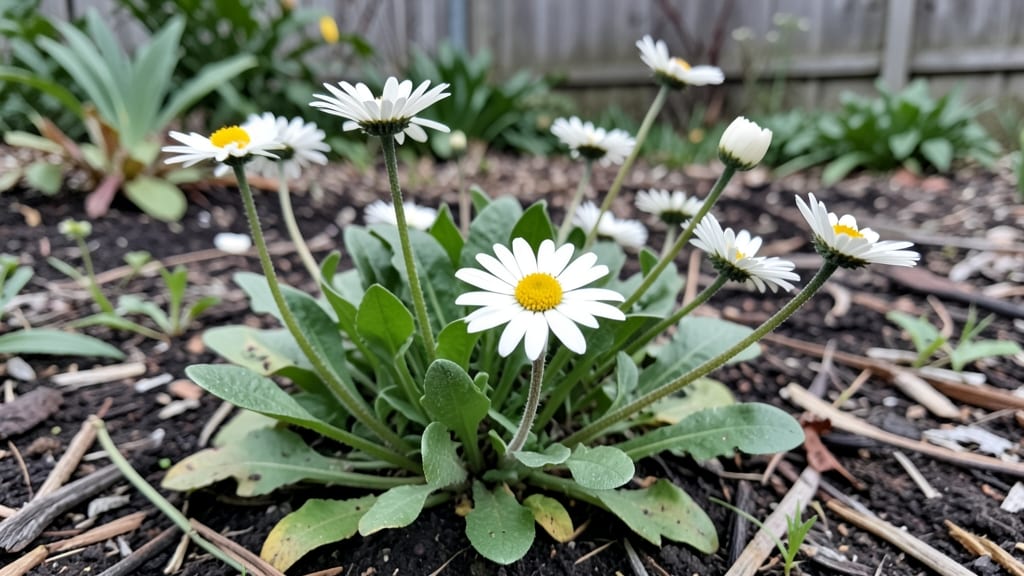
Daisy blooming time varies by variety and climate, typically ranging from early spring to late fall, with perennial daisies often reblooming throughout the season after initial flowering. Annuals like Gerbera daisies bloom summer-long, while hardy types like Shasta daisies thrive in cooler zones.
Understanding bloom cycles helps gardeners plan for continuous color—some varieties like Oxeye daisies burst into bloom as early as April, while others, such as African daisies, may not peak until late summer.
The secret lies in their hardiness: perennials adapt to local climates, reblooming after deadheading, while annuals like Gerbera daisies rely on warm seasons to trigger their vibrant displays. 🌸
For cooler regions, Shasta daisies shine as reliable workhorses, often flowering from June through August, while Nippy Bellis can surprise with late-season blooms if protected from frost.
I’ve found that adjusting water and sunlight—especially in USDA Zone 5 or lower
💡 In This Article
- Factors Influencing Daisy Flowering Seasons
- Best Daisy Varieties for Extended Blooming Periods
Factors influencing daisy flowering seasons
The timing of daisy blooms is primarily governed by photoperiodism—the plant's response to daylight duration. Most daisies require 12-14 hours of daylight to trigger flowering, which explains why spring and summer varieties bloom abundantly.
For example, Oxeye daisies (Leucanthemum vulgare) often appear in April-May when days lengthen, while African daisies (Dimorphotheca) wait until July-August when heat stabilizes. This photoperiod sensitivity is why gardeners in USDA Zone 6 might see Shasta daisies bloom 2-3 weeks earlier than those in Zone 4.
Soil temperature plays a secondary but critical role. Perennial daisies like Nippy Bellis need soil to reach 50°F before sprouting, while tropical varieties such as Gerbera daisies require 65°F+ soil to initiate blooming.
The contrast is stark: in Zone 8 climates, African daisies may bloom continuously from June to October, whereas in Zone 5, they might only flower for 4-6 weeks before frost halts growth.
This temperature threshold explains why annual daisies dominate summer gardens—they germinate quickly in warm soil and capitalize on long daylight.
Variety traits create another layer of complexity. Perennials like Shasta daisies store energy in roots, allowing them to rebloom after deadheading, while annuals like Gerbera daisies rely on continuous warm conditions to produce flowers.
Here's what's actually happening: Perennials prioritize root development in early spring, then shift energy to flowering as temperatures rise. Annuals, however, bolt (flower) immediately when conditions are favorable, often producing 100+ blooms per plant in a single season.
This biological difference is why gardeners in Zone 9 can enjoy year-round color with perennials but must replant annuals each spring.
Climate zones further refine bloom timing through microclimates. A Zone 7 garden might see Oxeye daisies bloom in March near a south-facing wall (warmer microclimate) but not until May in shaded areas.
The USDA map's 10°F increments mask these local variations—what matters most is the last frost date and summer heat duration.
For instance, African daisies in Zone 10 may flower from May to November, while the same variety in Zone 6 might only bloom for 6-8 weeks in late summer.
Daylight hours create predictable patterns: Early bloomers like Oxeye daisies respond to increasing light in spring, while late-season varieties like African daisies need declining light to trigger blooming. This explains why some daisies flower in waves—Oxeye daisies might peak in May, then again in September as days shorten.
The science behind this involves phytochrome pigments in leaves that detect light changes, signaling the plant to shift from vegetative growth to flowering. 🌞
What most gardeners don't realize is how water stress can delay blooming. Daisies in drought conditions may prioritize survival over flowering, while those with consistent moisture (1-2 inches per week) produce 20-30% more blooms.
This is why container-grown daisies often bloom later—their limited root zones dry out faster. For extended flowering, aim for well-draining soil with organic matter, which helps roots access nutrients during critical bloom periods.
To maximize bloom duration, combine these factors: Plant early-season varieties in sheltered microclimates, deadhead perennials regularly to encourage reblooming, and water deeply during bud formation stages. With the right variety in the right zone, you can enjoy daisies from spring through fall—or even year-round in mild climates.
The key is understanding how each factor interacts, not treating them in isolation. 🌸